Government launches three-year project to boost food security and climate resilience
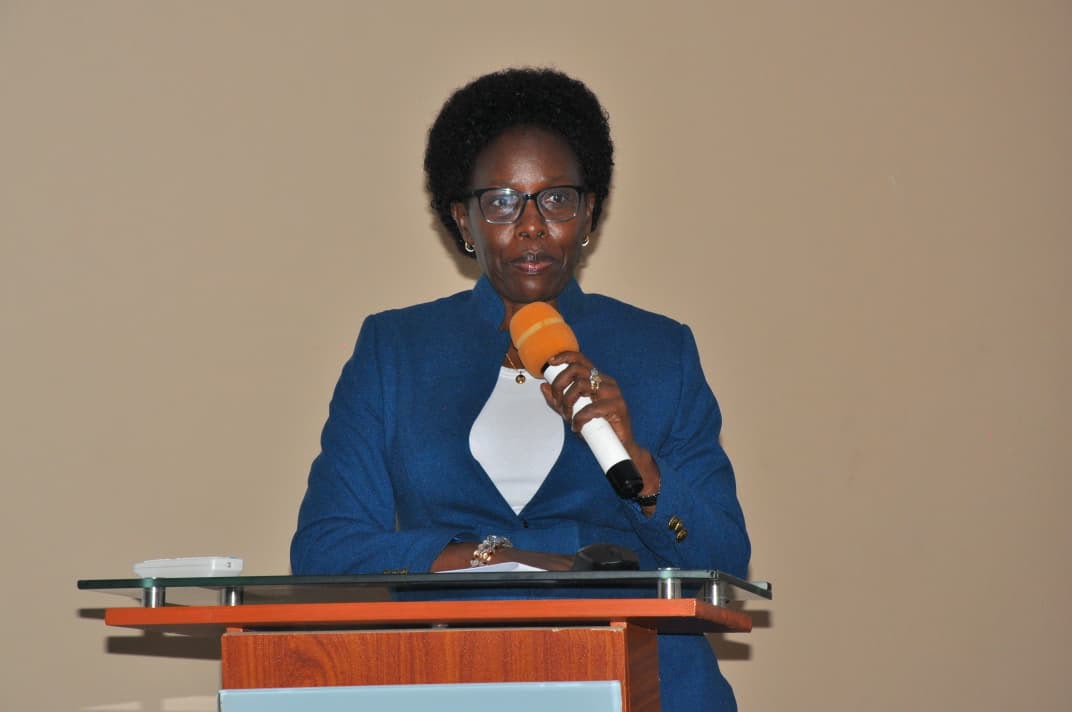
Speaking at the launch, Lands, Housing and Urban Development Minister Judith Nabakooba said climate change continues to threaten livelihoods, food security and economic growth through prolonged droughts, floods, land degradation and rising conflicts over natural resources.
The Government has launched a three-year initiative aimed at strengthening food systems, improving land governance and enhancing climate resilience among farming and pastoral communities amid growing climate change challenges.
The Accelerating Food Systems Transformation for Resilience to Climate Change in Africa project was unveiled during a National Inception Workshop held at Protea Hotel in Entebbe on August 6. The initiative is supported by the United Nations Economic Commission for Africa (UNECA), the African Union, the Intergovernmental Authority on Development (IGAD) and other development partners.
Speaking at the launch, Lands, Housing and Urban Development Minister Judith Nabakooba said climate change continues to threaten livelihoods, food security and economic growth through prolonged droughts, floods, land degradation and rising conflicts over natural resources.
Nabakooba said Uganda, whose economy largely depends on agriculture, must strengthen the resilience of its food systems by promoting sustainable land management, improving climate-smart agricultural practices and strengthening coordination among stakeholders.
She noted that the project will help address challenges facing farmers and pastoral communities by supporting better land governance, increasing adaptation measures and improving the capacity of communities to withstand climate shocks.
The minister emphasized the need for stronger partnerships between government agencies, local communities and development partners to ensure sustainable food production and protect natural resources.
The initiative is expected to contribute to Africa’s efforts to transform food systems while supporting vulnerable communities affected by the increasing impacts of climate change.