Gov’t allocates Shs 1.03 trillion to industrial development and manufacturing in 2026/27 financial year
The funding is expected to accelerate industrial growth, expand value addition and strengthen Uganda's position as a regional manufacturing hub.
Uganda’s industrial sector continues to expand rapidly, with the number of formal factories rising to 10,437 as government deepens investments in manufacturing and value addition.
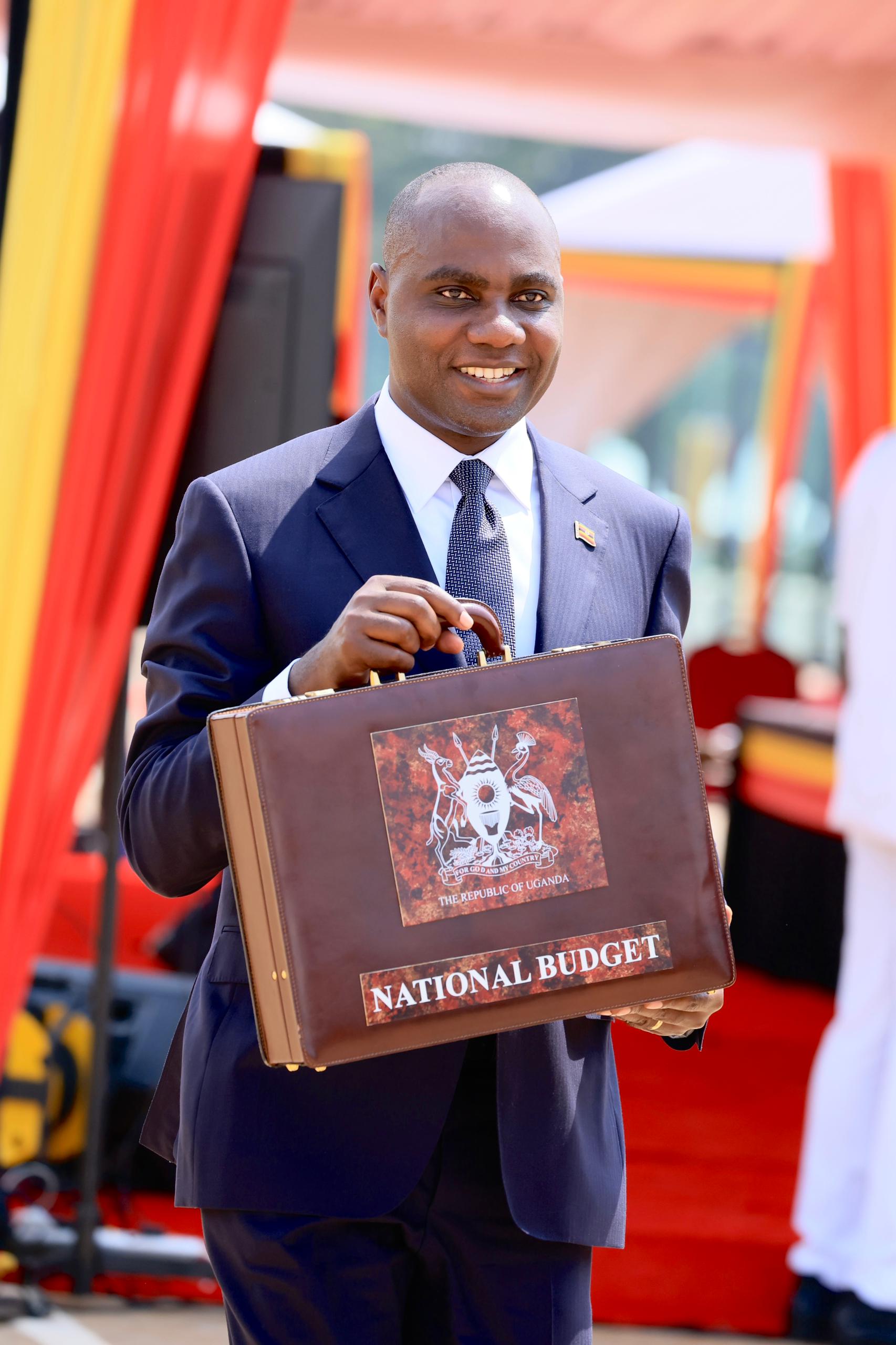
Finance Minister Henry Musasizi announced that government has allocated Shs 1.03 trillion to industrial development and manufacturing in the 2026/27 financial year.
The funding is expected to accelerate industrial growth, expand value addition and strengthen Uganda’s position as a regional manufacturing hub.
“Nations achieve prosperity not by exporting raw materials but by transforming them into high-value products,” Musasizi said while presenting the national budget.
The minister reported that industrial parks remain central to government’s industrialisation strategy.
Of Uganda’s 10,437 formal factories, approximately 690 are located within industrial parks established across the country.
Government has continued investing in industrial infrastructure to reduce the cost of doing business and attract both domestic and foreign investors.
Musasizi also highlighted the growing role of the Uganda Development Corporation in supporting industrial investment.
UDC’s cumulative investments have now surpassed Shs 1.5 trillion.
The corporation has invested in key sectors including textiles, agro-processing, pharmaceuticals and manufacturing.
Among beneficiary companies are Fine Spinners, Biyinzika Enterprises, Bukona Agro Processors, East African Medical Vitals, Sanga Vetchem and Alfasan Uganda.
Government has also expanded its involvement in the construction industry through strategic investments in local firms.
According to Musasizi, UDC-supported companies are participating in the construction of major national roads including Busunju-Kiboga-Hoima, Matugga-Semuto-Kapeeka, Bugiri-Namutumba and Buwenge-Kaliro roads.
A major milestone during the year was completion of the Special Economic Zone at Entebbe International Airport.
The facility is expected to promote high-value exports and attract firms engaged in agro-processing, logistics and light manufacturing.
The Presidential Zonal Industrial Hubs programme also continued to grow.
Musasizi said 82,790 young people have so far been trained in industrial and vocational skills through 28 hubs established nationwide.
The programme is intended to address youth unemployment while supplying industries with skilled workers.
Government’s priorities for 2026/27 include further capitalisation of UDC, expansion of industrial parks, support for value addition in agriculture and mining, strengthening special economic zones, promoting market access and establishing regional industrial incubation hubs.
The minister said manufacturing remains critical to achieving Uganda’s goal of creating jobs, increasing exports and building a resilient economy capable of generating higher incomes for citizens.