
Herbal medicine gets scientific boost as Legacy Natural Medicinal Herbs expands services in Uganda
Founded originally in Boston as part of Natural Medicinal Inc, the enterprise rebranded upon establishing its Ugandan branch, signaling not just a change in name but a deeper commitment to local relevance and professionalization of herbal medicine.
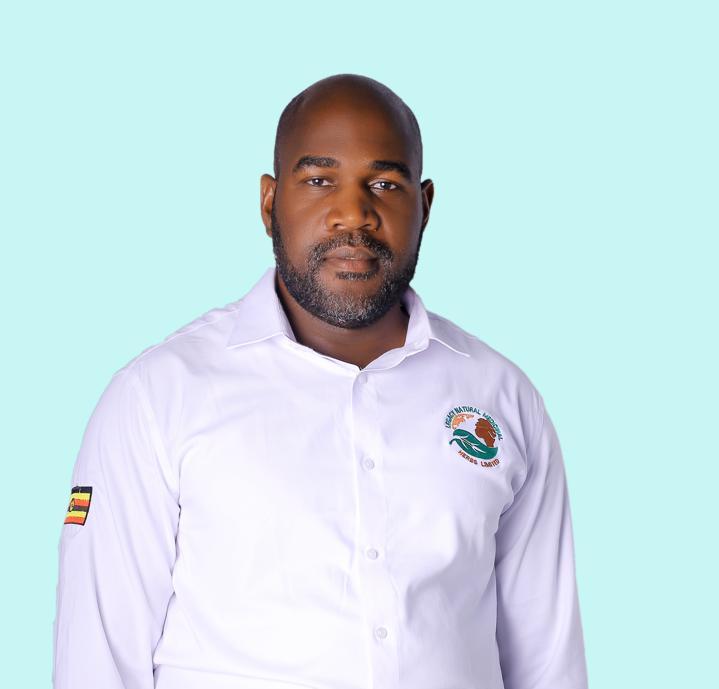
In the bustling heart of Kampala, a quiet transformation is taking place in the way Ugandans perceive and access herbal medicine. At the center of this shift is Dr. David Mayanja, the Chief Executive Officer of Legacy Natural Medicinal Herbs Limited, a company determined to blend centuries-old traditional healing practices with modern scientific rigor.
Founded originally in Boston as part of Natural Medicinal Inc, the enterprise rebranded upon establishing its Ugandan branch, signaling not just a change in name but a deeper commitment to local relevance and professionalization of herbal medicine.
Dr. Mayanja’s journey into alternative medicine reflects a rare fusion of academic training and inherited knowledge. After studying botany at Makerere University, he spent five years in China specializing in alternative medicine, an experience that shaped his vision of integrating traditional remedies with structured medical practice.
“Herbal medicine has been used for over 200 years through generations,” Dr. Mayanja explains. “But now, we must professionalize it. People deserve to feel safe and guided when they choose natural treatment.”
That vision comes at a time when global health trends are shifting. According to the World Health Organization, up to 80 percent of Ugandans rely on traditional medicine for part of their healthcare. This widespread reliance, Dr. Mayanja argues, underscores the urgent need for regulation, training, and research investment.
At Legacy Natural Medicinal Herbs Limited, the approach goes beyond simply dispensing herbal remedies. Patients undergo examinations, receive tailored treatments, and are closely monitored through follow-ups, an effort to align traditional healing with modern patient care standards.
“We make sure we understand how our patients are feeling and healing. It’s about being on the same page,” he says.
The clinic, open from Monday to Saturday with Sunday appointments, treats a range of conditions including addiction to smoking and alcohol, infertility, fibroids, prostate complications, prolonged menstruation, and nervous disorders. According to Dr. Mayanja, the results have been encouraging, drawing increasing numbers of clients seeking natural alternatives.
Behind the scenes, research is playing a pivotal role. The company is actively working to refine traditional formulations, transforming herbal treatments from liquid extracts into powders and pills while maintaining their organic integrity. This evolution aims to improve dosage accuracy, convenience, and overall effectiveness.
To achieve this, Legacy Natural Medicinal Herbs Limited collaborates with leading Ugandan laboratories such as Kampala Imaging Centre and MBI, among others, ensuring that their products meet growing expectations for quality and safety.
Dr. Mayanja believes that the future of herbal medicine in Uganda lies in partnerships between traditional practitioners, scientists, and government institutions. He is calling on the government to allocate funding for training and research, emphasizing the need for accessible laboratories and standardized practices.
“The world has changed,” he notes. “People are looking for natural ways to boost their immunity; solutions that work with their bodies, not against them.”
As the company expands, it is also creating opportunities, seeking sales representatives across the country and encouraging more professionals to join the herbal medicine sector.
For many Ugandans, the rise of Legacy Natural Medicinal Herbs Limited represents more than just another healthcare provider. It signals a broader shift where tradition meets science, and where ancient remedies are being reshaped to meet the demands of modern life.
In a country where herbal medicine has long been trusted but often unregulated, Dr. Mayanja’s work may well mark the beginning of a new chapter; one where natural healing is not only preserved but elevated.