How Stanbic Bank is engineering Uganda’s next generation of female health-tech entrepreneurs
The NSC is the bank’s flagship initiative designed to complement the government’s National Development Plan by embedding entrepreneurship, creativity, and problem-solving skills within Uganda’s education system.
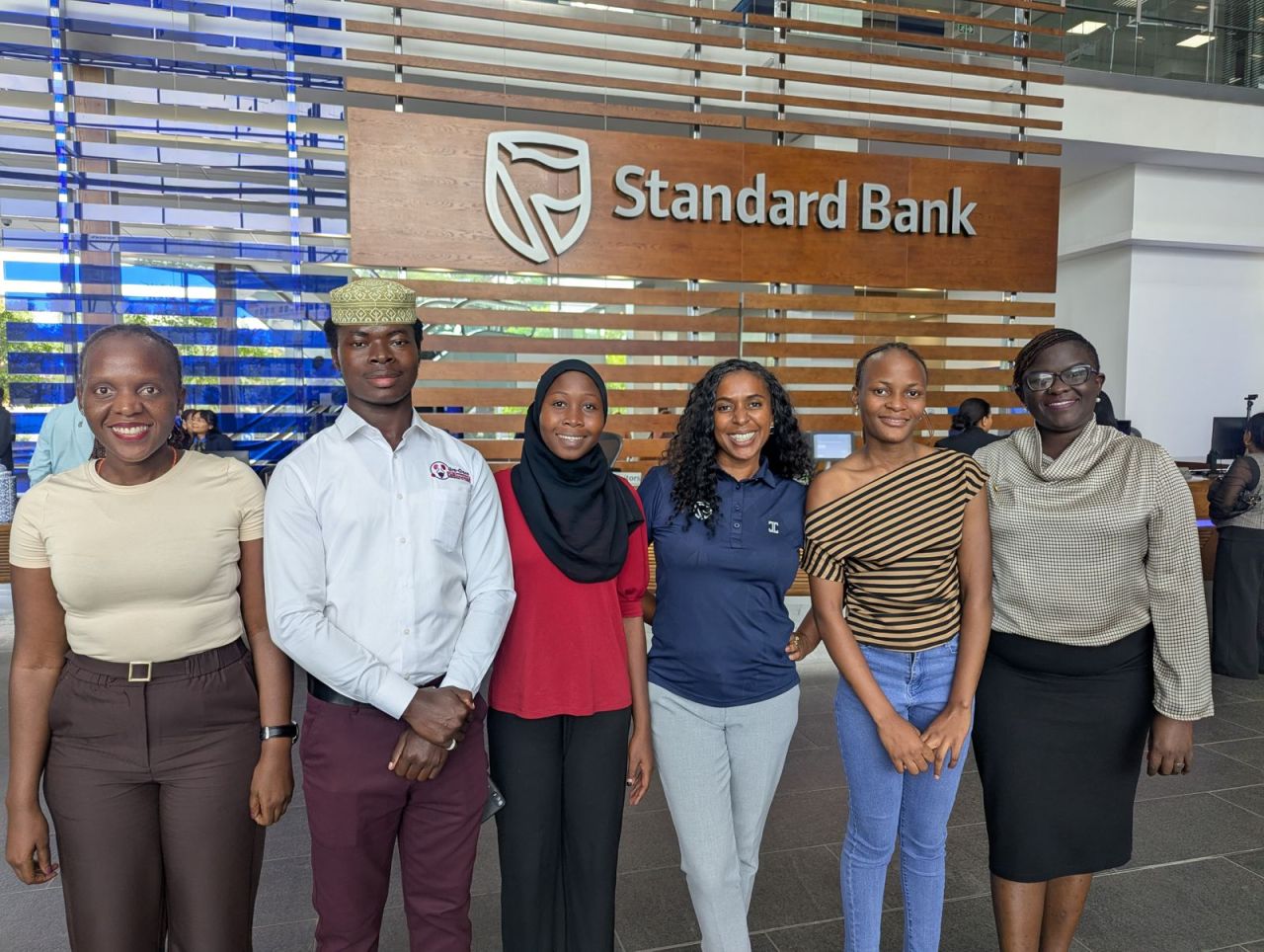
February will remain a defining chapter in the history of Sumayya Girls High School. What began as a classroom innovation challenge culminated in a once-in-a-lifetime journey to South Africa, the home of Standard Bank Group, parent company of Stanbic Uganda Holdings Limited.
The trip was more than a reward. It was a powerful symbol of what can happen when education, enterprise, and opportunity intersect.
From Classroom Concept to National Triumph
Sumayya Girls were crowned grand champions of the 2025 Stanbic National Schools Championship (NSC), held under the theme “Powering Innovation for Job Creation.” The NSC, Stanbic’s flagship youth enterprise platform, complements Uganda’s National Development Plan by embedding entrepreneurship, creativity, and problem-solving skills within the education system.
The school emerged overall winner in the “Student Spark” category for its groundbreaking medical innovation, the Uro Care UTI Detector. The early-detection kit is designed to help young women identify urinary tract infections before they escalate into severe complications.
In a country where access to timely diagnostics remains a challenge for many, the students’ innovation reflects a growing shift in mindset among young Ugandans: solving real community problems through scalable enterprise.
Jamimah Kutesa, a Senior Five student and co-inventor of the project, described the moment as life-changing.
“I’m very grateful to Stanbic Bank for this opportunity. I never imagined that I would sit on a plane at my age,” she said, calling it the most memorable experience of her life.
For Jamimah and her teammate, innovation had literally taken flight.
Beyond the Prize Money
The victory secured UGX 20 million in seed capital for the students, UGX 5 million in school support, two laptops, and a UGX 2 million teacher recognition award. The fully paid South African experience, valued at UGX 50 million, added a global exposure dimension rarely accessible to secondary school learners.
In Johannesburg, the delegation toured the Standard Bank Group Heritage Centre, explored the city’s iconic “Jozi My Jozi” attractions, and visited Soweto, the historic home of Pan-African icon Nelson Mandela. Luxury ocean excursions and a cable car ride rounded off an immersive learning journey that blended business insight with cultural exposure.
For Stanbic, such exposure is strategic, not symbolic.
Speaking during the flag-off ceremony, Mumba Kalifungwa, Chief Executive of Stanbic Bank Uganda, underscored the demographic urgency behind the initiative.
“Youth employment is a global issue, but it is especially critical here in Uganda, where nearly 78% of our population is under the age of 30,” Kalifungwa said. “Platforms like the NSC empower young people to transition from job seekers to job creators. This is firmly aligned with our purpose: Uganda is our home; we drive her growth.”
Corporate Strategy Meets National Imperative
Over the years, the NSC has evolved into one of Uganda’s most impactful youth empowerment platforms. According to Diana Ondoga, Stanbic’s Head of Corporate Social Investment, the programme has impacted over 500,000 students and catalyzed the creation of more than 200 youth-led businesses.
“The NSC has impacted over 500,000 students and sparked the creation of more than 200 businesses. We are already preparing for the 11th edition, and the call for applications will be announced soon,” Ondoga noted.
This scale positions the championship as more than a corporate social responsibility initiative; it is a pipeline for enterprise development and innovation incubation. By providing capital, mentorship, and exposure, Stanbic is effectively nurturing Uganda’s next generation of SME founders.
A New Wave of Student Entrepreneurs
The competition’s strength lies in its diversity of solutions.
Mentor Secondary School secured first runner-up position with a Patient Monitoring System designed to enhance hospital efficiency. Secondary School followed as second runner-up with eco-friendly Koffia Candles promoting sustainability. Ibanda St. Noa Mawaggali SSS earned third runner-up honors for Snoams Walk Mate, a mobility innovation addressing accessibility challenges.
Each finalist received business capital, institutional funding, laptops, and teacher recognition awards, ensuring that innovation does not stall after the applause fades.
Investing in Uganda’s Future Balance Sheet
For business leaders and policymakers alike, the message is clear: Uganda’s socio-economic transformation will not be driven solely by large corporations or government programmes. It will be powered by young innovators who see problems as business opportunities.
The 2025 champions exemplify this shift. Their Uro Care UTI Detector addresses a critical health need while holding commercial potential in school clinics, rural health centers, and urban pharmacies. With structured mentorship and seed funding, what began as a science project could mature into a viable health-tech startup.
As Uganda navigates a youthful demographic curve and rising unemployment pressures, initiatives like the Stanbic National Schools Championship offer a blueprint, aligning corporate investment with national development priorities and equipping students not just to pass exams, but to build enterprises.
For Sumayya Girls High School, February marked a milestone. For Uganda’s innovation ecosystem, it signaled something larger: the steady rise of a generation ready to create jobs, solve problems, and compete beyond borders.