Inside the Passed Sovereignty Bill: A Law Dividing Parliament and the Nation
On the surface, the Bill, passed after a full clause-by-clause review and Third Reading, appears to affirm Uganda’s independence and shield it from external influence. But beneath that framing lies a more complex and contested issue: whether the law redefines sovereignty in a way that shifts it from citizens to the State.
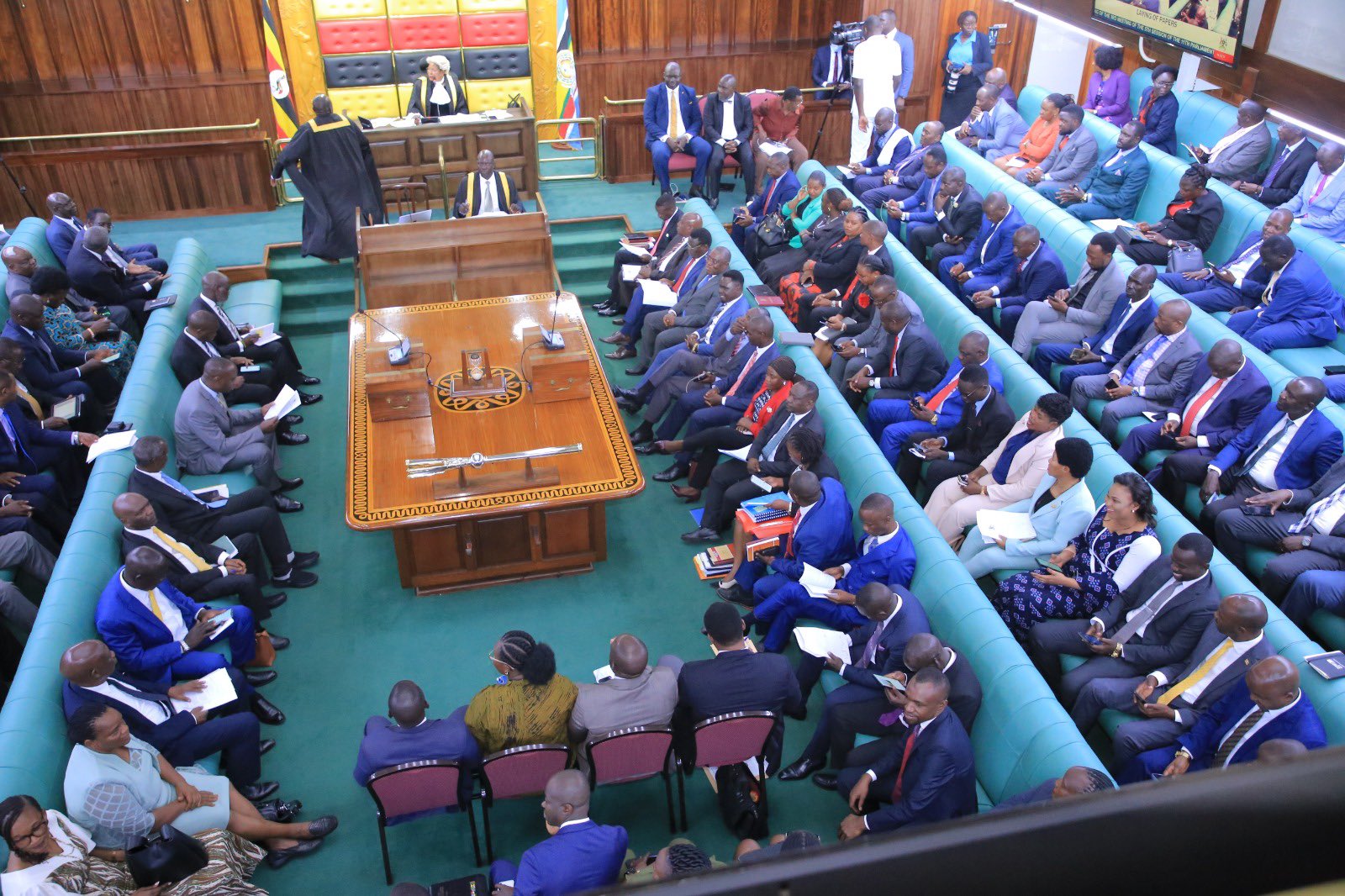
The passage of the Protection of Sovereignty Bill, 2026 by Uganda’s Parliament has ignited a deeper national debate that goes beyond legislative procedure, raising fundamental questions about where power truly resides in the country’s governance framework.
On the surface, the Bill, passed after a full clause-by-clause review and Third Reading, appears to affirm Uganda’s independence and shield it from external influence.
But beneath that framing lies a more complex and contested issue: whether the law redefines sovereignty in a way that shifts it from citizens to the State.
Speaker Anita Among presided over a sitting that had a firm quorum of 353 MPs, underscoring the political weight behind the Bill’s passage. Yet even as the numbers reflected legislative strength, the debate revealed deep ideological cracks within the House.
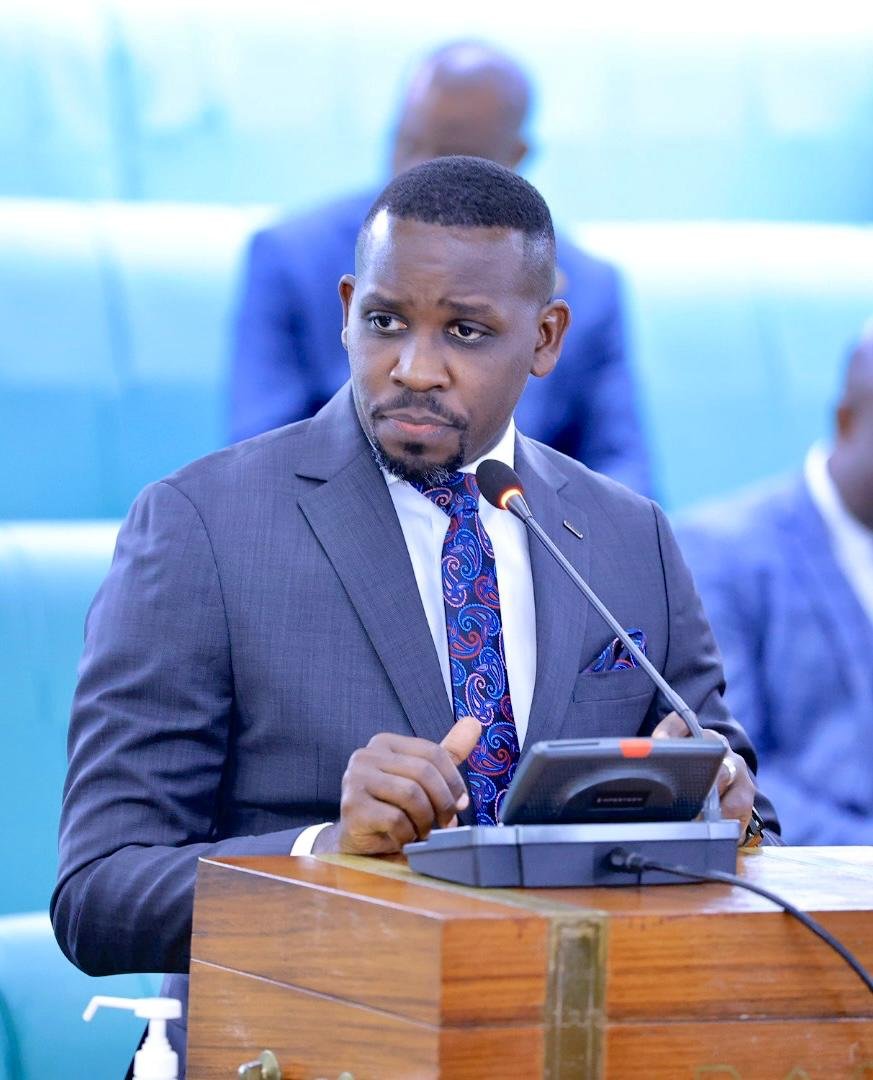
Opposition lawmakers and some legal experts argue that the Bill risks distorting the spirit of Uganda’s Constitution. Busiro East MP Medard Sseggona framed the issue bluntly: sovereignty, he said, is already clearly vested in the people, not the State.
To legislate otherwise, critics warn, could create a legal pathway for expanded State authority under the guise of protection.
This concern is echoed in the minority report presented by Erute South MP Jonathan Odur, who pointed to widespread rejection of the Bill during public consultations.
Institutions such as the central bank and civil society groups questioned both its necessity and its potential economic ripple effects, particularly in an era where Uganda relies heavily on international partnerships and investment.
For many observers, the timing of the Bill is just as significant as its content. Uganda is navigating a complex global environment, balancing sovereignty with economic integration, foreign aid, and geopolitical alliances.
In that context, legislation that appears to limit external influence could have unintended consequences, from investor uncertainty to diplomatic friction.
Adding to the intrigue is the apparent disconnect between the executive and the final version of the law. President Yoweri Museveni reportedly indicated that the Bill passed by Parliament was not the one initially presented to Cabinet.
That rare public divergence has fueled speculation about internal disagreements within government and raised questions about the legislative process itself.
Inside Parliament, the process was anything but smooth. Opposition MPs allege they faced procedural barriers, including restricted access to essential services during committee scrutiny.
Such claims, while difficult to independently verify, contribute to a broader narrative of a law pushed through under contentious circumstances.
Yet supporters of the Bill see it differently. To them, the legislation is a necessary assertion of Uganda’s autonomy in an increasingly complex international system.
They argue that without clear legal safeguards, the country risks undue influence from foreign actors, whether through funding, policy pressure, or economic leverage.
The real test, however, lies ahead. If signed into law, the Protection of Sovereignty Act will likely face judicial scrutiny, as critics explore constitutional challenges.
Beyond the courts, its impact will be measured in how it shapes Uganda’s democratic space, its economic climate, and its relationship with the outside world.
For now, the Bill stands as more than just a piece of legislation—it is a flashpoint in Uganda’s ongoing negotiation between State authority and popular sovereignty, a debate that is far from settled.