Labour Export: Recruitment drive targets Ugandan male baristas for jobs in Saudi Arabia
The initiative, coordinated by Barista Coffee School and Cafe, is seeking qualified candidates with practical experience in customer service, manual brewing, coffee preparation, and latte art.
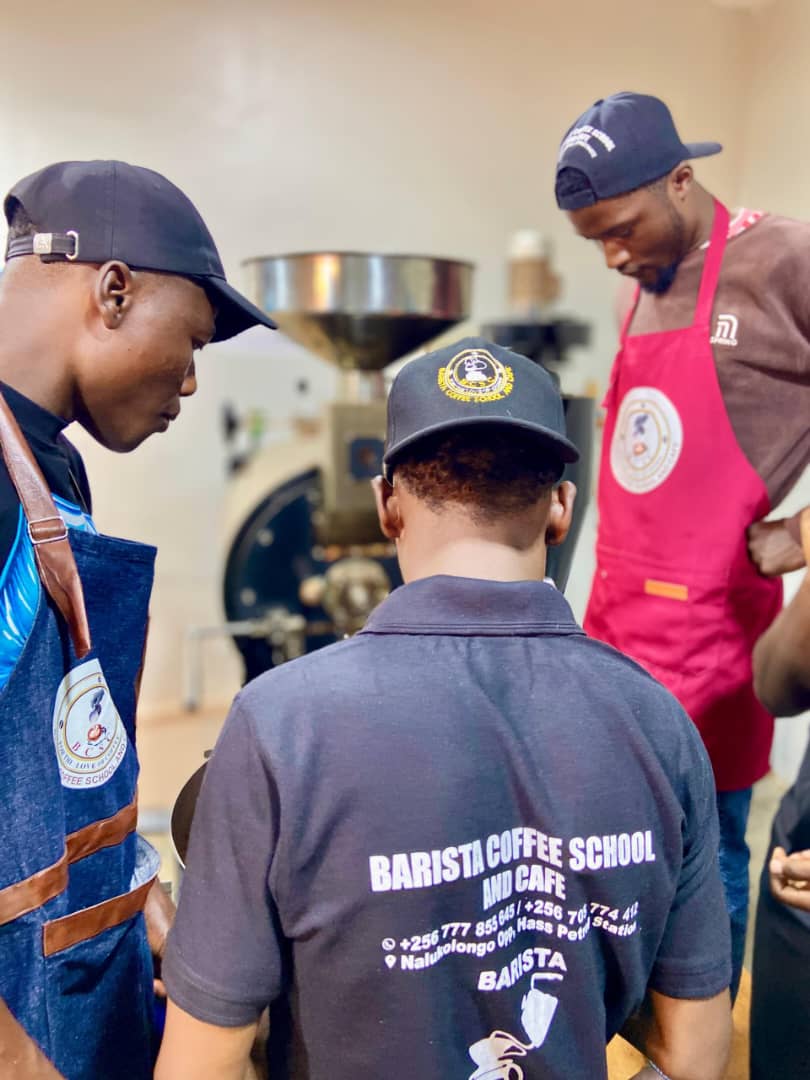
A new overseas recruitment drive targeting Uganda’s growing pool of hospitality workers has opened opportunities for male baristas to work in Saudi Arabia, highlighting rising demand for skilled coffee professionals in international markets.
The initiative, coordinated by Barista Coffee School and Cafe, is seeking qualified candidates with practical experience in customer service, manual brewing, coffee preparation, and latte art.
While Barista Coffee School and Cafe is not a labour recruitment and export company, it trains and connects baristas to recruitment agencies like EzvisaKampala to deploy baristas locally and abroad.

Interviews for the positions are scheduled for May 13, at EzvisaKampala, located at Plot 1-3 , Fumu Close, opposite Speke Apartments in Kololo, according to details released in a recruitment notice.
Successful candidates are expected to earn a monthly salary of about Shs1.8 million, with additional benefits including transport, meals, accommodation, and a weekly day off, an attractive package for many young Ugandans seeking employment abroad.
The recruitment targets individuals with basic professional requirements, including a curriculum vitae, a passport copy, and a full photograph.

Organisers emphasized that interviews will be conducted free of charge and that no payments are required before successful candidates pass the selection process, addressing concerns around fraudulent labour export schemes.
Applicants who secure the positions are expected to travel within one month. This underscores the urgency of the recruitment process and the immediate demand for labour in the destination market.
Industry observers note that the move reflects a broader trend of Ugandan workers tapping into global hospitality markets, particularly in the Middle East, where demand for baristas and service staff has surged alongside the expansion of café culture.

The involvement of a training institution like Barista Coffee School and Cafe also points to the growing role of vocational skills development in preparing Ugandans for exportable jobs.
As Uganda continues to expand its coffee value chain, such initiatives are increasingly linking local skills to international employment opportunities.
The recruitment drive comes at a time when youth unemployment remains a major challenge, with labour export schemes seen as a key pathway for income generation and skills transfer, despite ongoing calls for stronger regulation to protect workers abroad.