NEMA, Hoima Sugar launch Bugoma Forest restoration project in Kikuube
By George Niyonzima
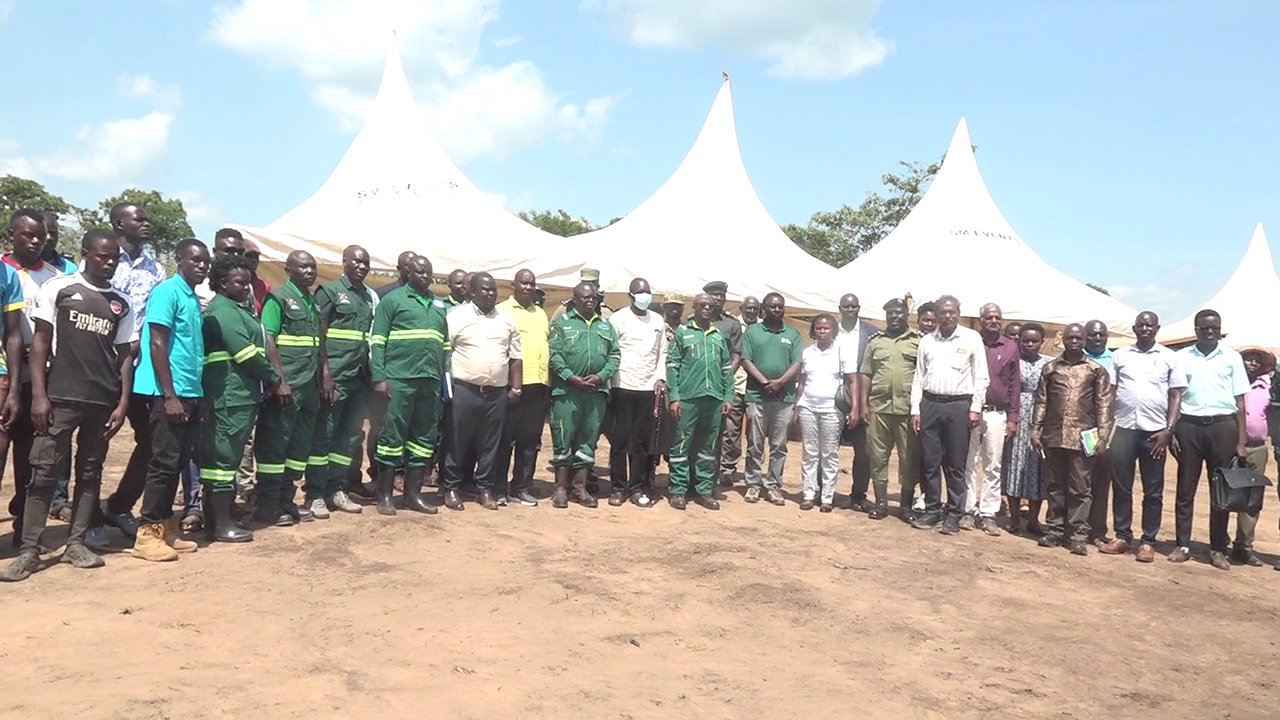
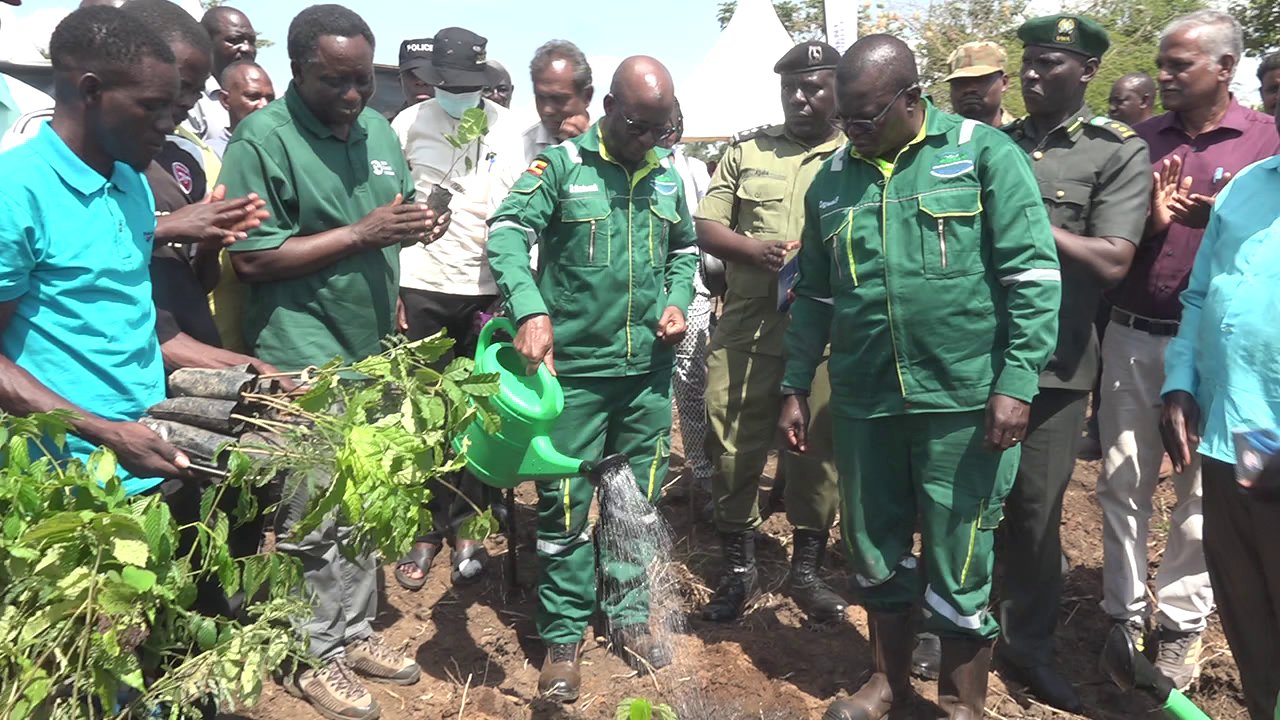
The National Environment Management Authority (NEMA), in partnership with Hoima Sugar Limited, has officially launched a forest restoration project in the Bugoma Forest landscape under the Kyangwali Mixed Land Use area in Kikuube District.
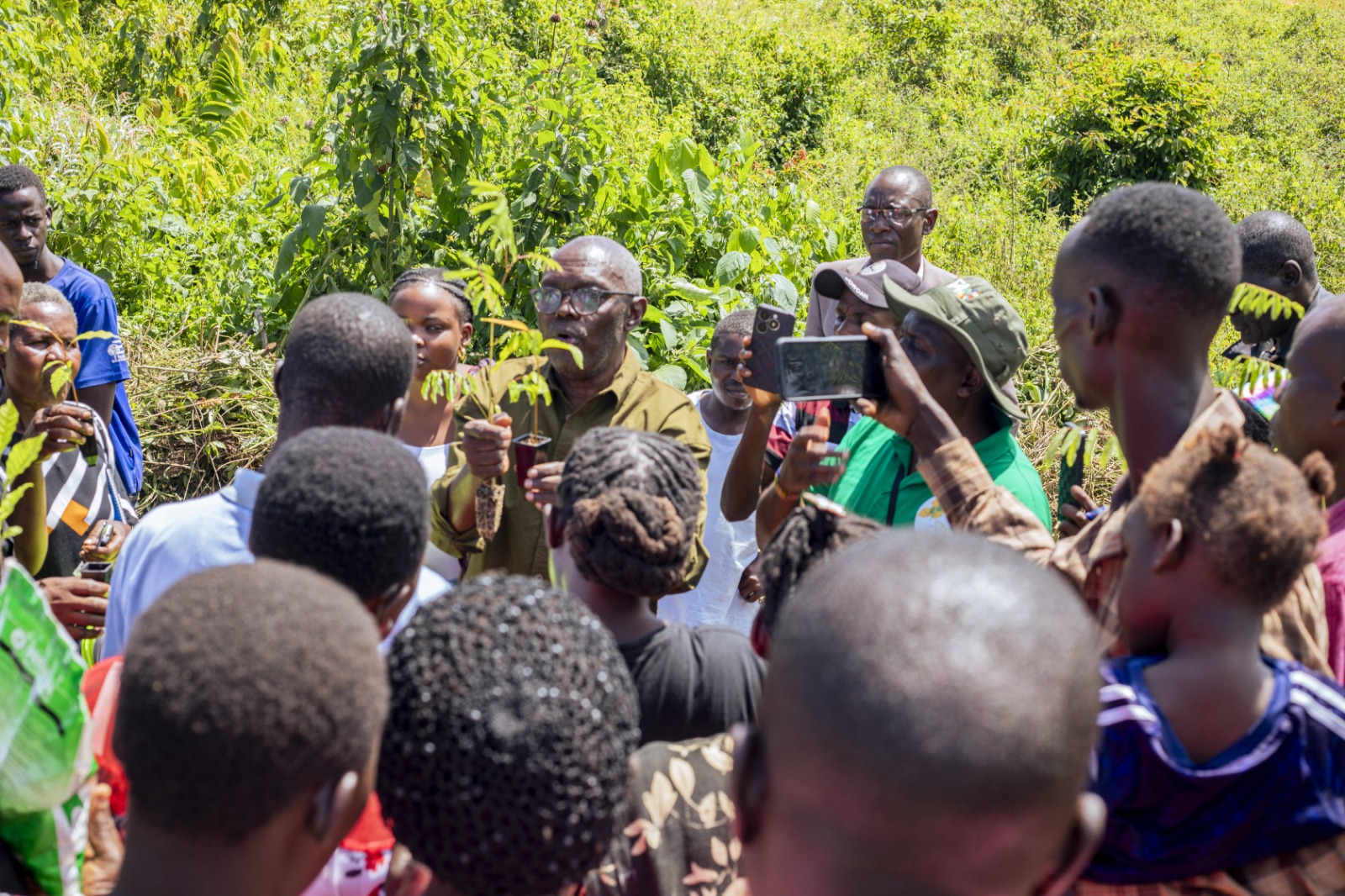
The restoration initiative was launched on Tuesday evening at Nsozi Village in Butoole Parish, Kyangwali Sub-county, and forms part of environmental obligations agreed upon under the Environmental and Social Impact Assessment (ESIA) certificate issued to Hoima Sugar in 2020.
The certificate was granted after the Bunyoro Kitara Kingdom leased approximately 22 square miles of land, part of the Bugoma Forest ecosystem, to Hoima Sugar for sugarcane cultivation.
Over the years, the area has experienced extensive environmental degradation, largely due to illegal activities such as maize cultivation and charcoal burning. The destruction attracted criticism and concern from environmental activists and civil society organizations, including the Association for Forests, Environment and Improved Livelihoods (AFIEGO), the National Association of Professional Environmentalists (NAPE), NAVODA, and the Civic Response on Environment and Development (CRED), among others.
Speaking at the launch, Hoima Sugar representative Raj Sekaram Ramadoss clarified that the company is utilizing only 9.2 square miles of the leased land for sugarcane growing, while the remaining degraded sections will be restored through reforestation and conservation efforts.
“We are committed to restoring the degraded portions of the land that are currently occupied by maize gardens and other activities that are not compatible with environmental conservation,” Ramadoss said.
The Chief Warden of Murchison Falls National Park, Fred Kiiza, who represented the Executive Director of the Uganda Wildlife Authority (UWA), warned against illegal cultivation within protected areas.
He noted that growing maize in conservation areas is unlawful and that UWA will continue enforcing environmental protection laws.
“It is illegal to cultivate maize in protected areas. We are mandated to stop such activities and take legal action against anyone found violating the law,” Kiiza said.
NEMA Executive Director Dr. Barirega Akankwasah, who officiated as chief guest, said the authority had revised some of the conditions initially approved under the ESIA certificate issued to Hoima Sugar.
He explained that the decision was informed by the alarming decline in Uganda’s forest cover, which has dropped from about 45 percent several decades ago to approximately 13 percent today.
“Given the significant loss of forest cover across the country, we found it necessary to strengthen restoration requirements and ensure that environmental conservation remains a priority,” Dr. Barirega said.
He revealed that under the Environmental Restoration Order, NEMA approved the involvement of independent third-party institutions to oversee and verify the restoration process.
Following a competitive vetting process, the Jane Goodall Institute was accredited to supervise the restoration exercise, support community mobilization efforts, and promote alternative livelihood activities among surrounding communities.
According to Dr. Barirega, the involvement of independent environmental experts is intended to guarantee transparency, accountability, and long-term sustainability of the restoration project.
Kikuube Resident District Commissioner (RDC) Godwin Angalia urged local residents to respect environmental laws and support conservation initiatives aimed at restoring the degraded ecosystem.
He emphasized that protecting natural resources is a shared responsibility and called upon communities to cooperate with government agencies and development partners involved in the restoration program.
The Bugoma Forest restoration project is expected to contribute to the recovery of degraded forest cover, enhance biodiversity conservation, and support sustainable livelihoods for communities living around one of Uganda’s most ecologically important forest ecosystems.