Beyond Treatment: How Uganda Is Rethinking Healthcare Through Prevention, Partnerships and Technology
The interventions reflect a broader push to improve disease surveillance, promote early diagnosis and ensure that vulnerable communities receive timely and quality healthcare.
Uganda is stepping up efforts to improve disease prevention, patient safety and access to healthcare, with the Ministry of Health pursuing regional partnerships, scientific research and innovative medical delivery systems to strengthen health services.
The initiatives include a regional learning exchange on neglected tropical diseases, a national scientific conference, consultations on patient safety and the use of drones to deliver medical supplies and transport laboratory samples from hard-to-reach island communities.
The interventions reflect a broader push to improve disease surveillance, promote early diagnosis and ensure that vulnerable communities receive timely and quality healthcare.
Regional partnership to tackle neglected tropical diseases
The Ministry of Health has engaged organisers of the Eastern Africa–Latin America Cross-Border Trachoma and Leishmaniasis Learning Exchange, an initiative aimed at strengthening interventions against neglected tropical diseases in border communities.
The visiting team was received at the Ministry’s headquarters by Dr Herbert Nabaasa, Commissioner for the Environmental Health Department.
Scheduled for October 28–30, 2026, in Moroto, the exchange brings together health officials, researchers and development partners from Eastern Africa and Latin America to share practical approaches to addressing diseases affecting pastoralist and other mobile populations.
The discussions will focus on communities along the Ateker Corridor, which links Uganda, Kenya, South Sudan and Ethiopia, where cross-border movement and limited access to health services can complicate disease prevention and control.
The exchange is expected to provide an opportunity for participating countries to share experiences and strengthen collaboration in reaching underserved populations.
Minister calls for prevention and early diagnosis
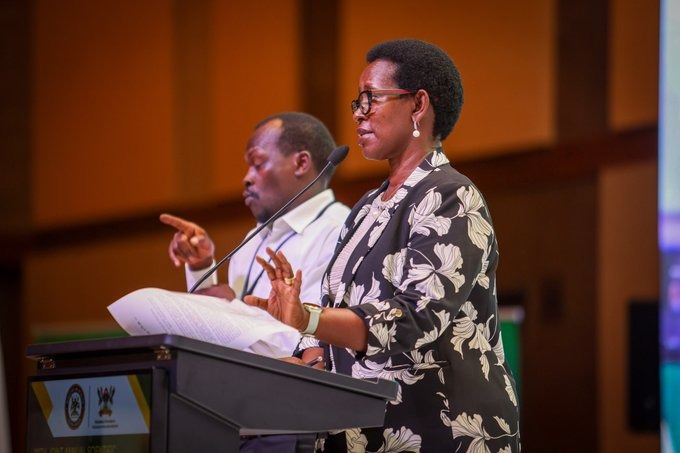
Separately, Health Minister Dr Chris Baryomunsi has called for greater investment in disease prevention, screening and early diagnosis to reduce complications associated with communicable and non-communicable diseases.
Baryomunsi made the call while opening the second National Conference on Communicable and Non-Communicable Diseases and the 20th Joint Annual Scientific Health Conference.
The three-day conference is being held under the theme, “Unified Action Against Communicable and Non-Communicable Diseases in Uganda.”
It brings together academics, government ministries, departments and agencies, development partners, religious leaders and civil society organisations to discuss strategies for improving health outcomes.
The minister urged stakeholders to prioritise screening and early detection of conditions such as hypertension, diabetes and cancer, alongside communicable diseases including HIV, tuberculosis and malaria.
“We must expand screening so no one discovers hypertension, diabetes, cancer, HIV, TB or malaria only when complications set in,” Baryomunsi said.
His remarks underscore the importance of identifying diseases early enough to improve treatment outcomes, reduce healthcare costs and prevent avoidable deaths.
Ministry, JICA explore measures to improve patient safety
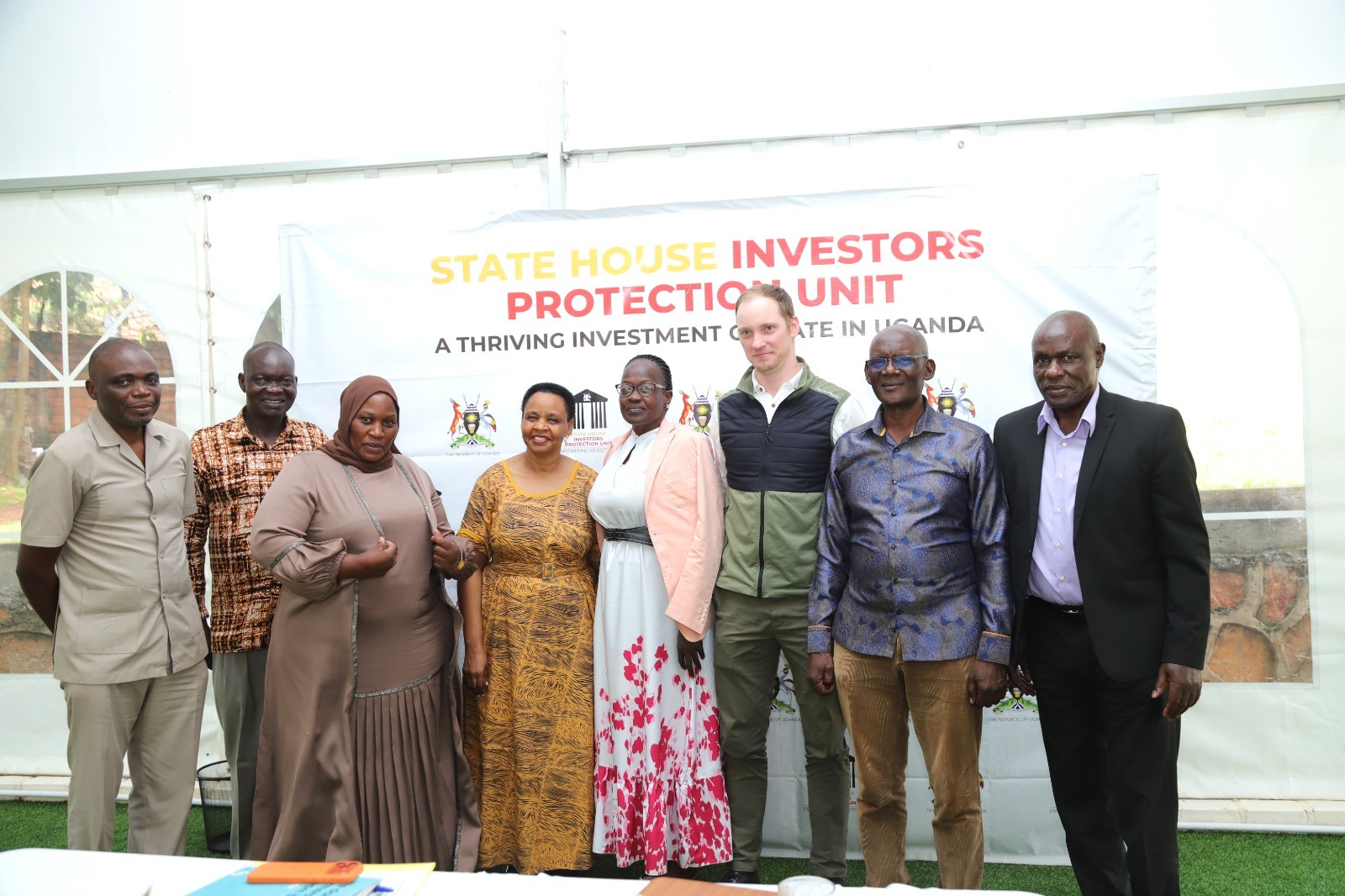
In another intervention, the Ministry of Health, in collaboration with the Japan International Cooperation Agency (JICA) and the Standards, Compliance, Accreditation and Patient Protection (SCAPP) department, convened a forum to explore ways of strengthening patient safety and improving healthcare quality.
Dr Joseph Okware, Director of Health Services, Governance and Regulation, represented the Director General of Health Services, Prof. Charles Olaro.
The meeting brought together key stakeholders to exchange experiences and identify practical measures for preventing avoidable harm in healthcare facilities.
The discussions form part of ongoing efforts to improve standards of care, strengthen compliance and ensure that patients receive safer and more reliable health services.
Drone deliveries target island communities
Meanwhile, the Ministry of Health is exploring drone technology to improve the transportation of medical supplies and laboratory samples to hard-to-reach communities.
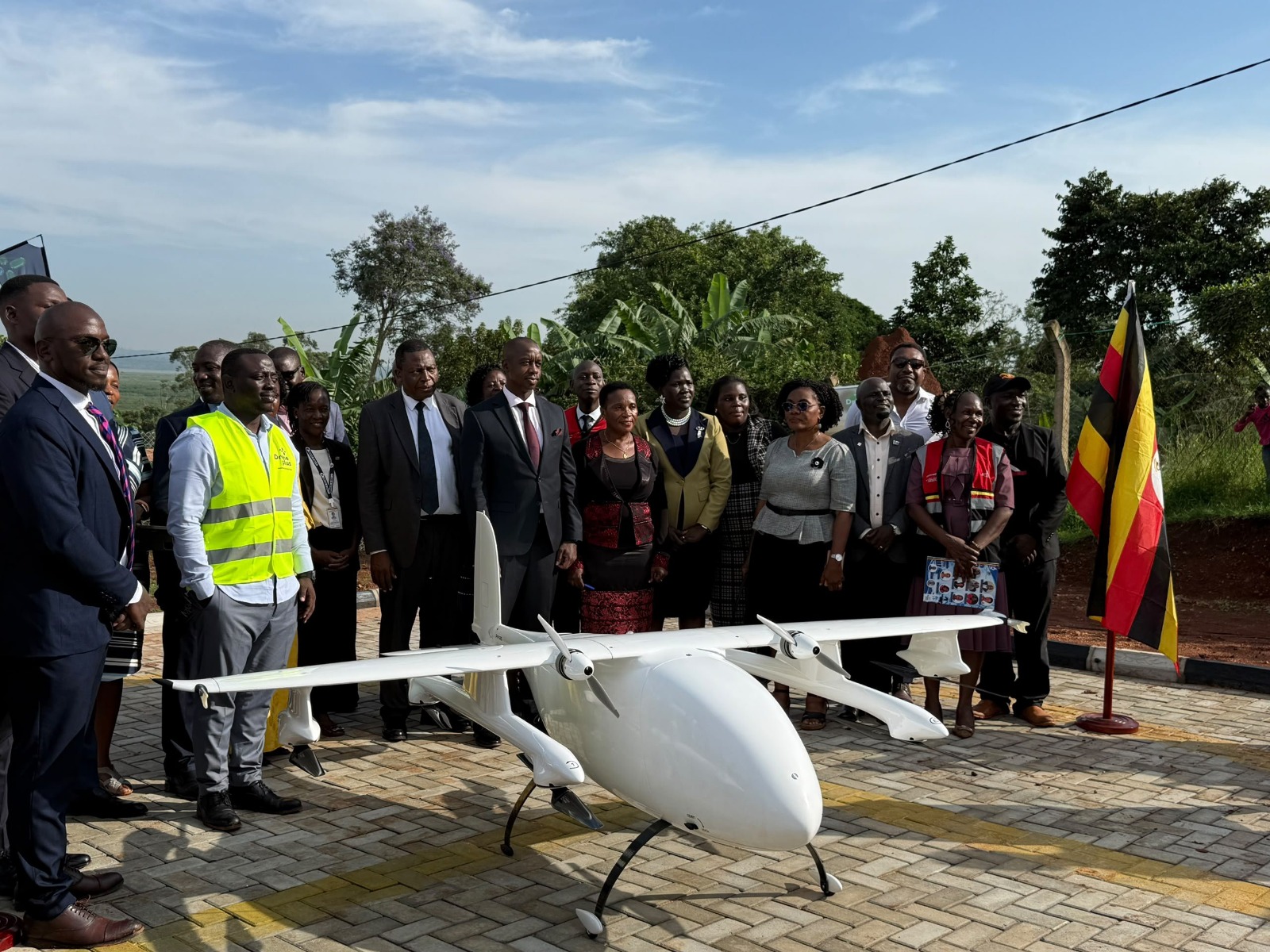
The Minister of State for Health in charge of Primary Health Care, Dr Charles Ayume, launched a medical logistics drone flight from Butabika to Koome, continuing to Kalangala Town Council before returning to Butabika.
The drone delivered essential medical supplies to island health facilities and transported laboratory samples back for testing.
The initiative is intended to address transportation challenges that can delay the delivery of medicines and the movement of samples from remote communities, potentially affecting timely diagnosis and treatment.
Ayume said evidence gathered from the flights would inform decisions on integrating drone transport into the existing Integrated National Sample Transport Network.
“Evidence from these flights will inform decisions on how drone transport can be integrated into the existing Integrated National Sample Transport Network, strengthening timely and reliable sample transportation from hard-to-reach communities,” Ayume said.
If successfully integrated into routine health operations, drone logistics could help reduce delays associated with conventional transportation, particularly for island communities and other areas with difficult road access.
Building a more responsive health system
Together, the initiatives highlight the Ministry of Health’s efforts to strengthen Uganda’s health system through regional cooperation, scientific engagement, patient safety improvements and technological innovation.
While the regional exchange seeks to improve responses to neglected tropical diseases, the national conference emphasises prevention and early diagnosis.
The patient safety forum focuses on reducing avoidable harm, while drone deliveries offer a potential solution to logistical barriers affecting remote health facilities.
The effectiveness of these interventions will depend on sustained coordination among government agencies, health workers, researchers and development partners, as well as the integration of successful approaches into routine healthcare delivery.