Lessons from the Hope and Hygiene Camp and why Uganda should rethink her FGM prevention strategy
Ministry Of Health should integrate FGM prevention and response into routine health services, including menstrual health, cervical screening, antenatal care, school health and mental health.
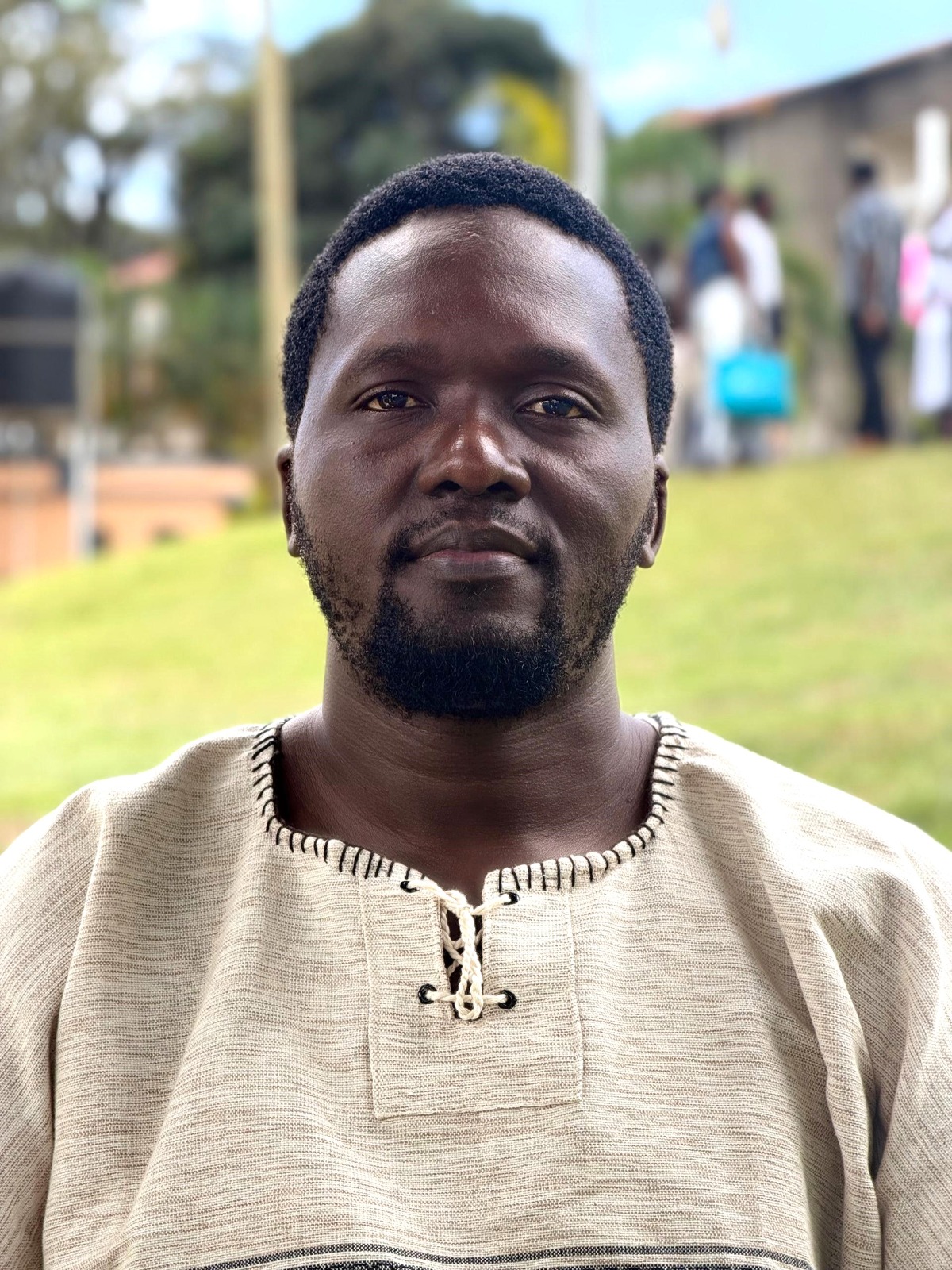
By Jumbwike Sam
On 16 September 2026, in partnership with Irise Institute East Africa, we gathered in the serene gardens of one of the hotels located in a Kampala Metropolitan District for an integrated health camp that targeted a particular refugee community from a country with high FGM prevalence, and given the sensitivity surrounding refugees’ protection I will refrain from disclosing the nationality and exact location.
We unleashed an 18-member team comprising of 2 Medical Doctors, 8 translators, a nurse, midwife, counsellor, lab technician, clinical psychologist, social worker, data clerk, migration specialist and set up 7 stations for Menstrual Health, Sickle Cell, TB, Nutrition, General Doctor Consultation, Mental Health and an enclosed ward for Cervical Screening and Breast Examination.
120 women were offered free sanitary pads and sensitized on menstrual hygiene and product use, 10 clients were offered mental health counselling majorly linked to past trauma, 53 women were screened for blood pressure, 23 were offered cervical screening services, 30 children were assessed using mid upper circumference, 62 people were clerked for TB, 10 met the criteria and were tested, 30 clients were screened for Sickle Cell Disease.
Our primary aim was to engage women from this community on Menstrual Hygiene and FGM, that we suspected to be prevalent given their origin. However, we knew that no one would waste her time to come for a session on topics that were considered as taboos.
And indeed, conversation about female genital mutilation were strictly held in privacy, and I am relying on the lessons from that camp to appeal to Ugandan authorities to rethink the current FGM strategy. 90% of the women who were screened had undergone FGM.
Nine women who desired to be screened did not meet the eligibility criteria largely due to effects of FGM that hindered access to the cervixes. Women whose didn’t want their daughter to be circumcised had nowhere to run to for protection given the nature of their residence status in a district that is not gazetted as a refugee host district.
What Uganda has got right
Uganda passed the Prohibition of Female Genital Mutilation Act in 2010 that provides for the prohibition of female genital mutilation, the offences, prosecution and punishment of offenders and the protection of victims as well as girls and women under threat of female genital mutilation and other related matters that even stretch beyond her borders.
The UNICEF’s 2025 Profile of Female Genital Mutilation in Eastern and Southern Africa shows that its prevalence in Uganda has consistently remained below 1 per cent for at least the last three decades. The percentage of women between 15 and 19 who have undergone FGM in Uganda is at 0.3% and when compared to the 8% in Tanzania, 15% in Kenya, 65% in Ethiopia, 83% in Eritrea and 99% in Somalia, one could easily conclude that all is well in Uganda.
However, behind these low national figures in Uganda lies a worrying realty. FGM is highly concentrated among refugees from countries where the practice is widespread. These Refugees do not leave their beliefs at the border and their practices are shaped by who is around them and who they trust. The increase in the number of refugees from Somalia, Eritrea, Sudan and Ethiopia into Uganda has not had sufficient scrutiny on its implications from the FGM prevention lenses.
Our data is not capturing the people at risk
The UNICEF 2025 Report acknowledges that data are not routinely collected in countries where the practice is limited to small communities or in other countries that are destinations for migrants which is the case for Uganda. The National figures speak to Uganda as a whole and don’t tell what is happening among refugees which complicates the response.
Refugee hosting districts which have no share of the national total are having hundreds and thousands of girls in communities where cutting is the norm. The Prohibition of Female Genital Mutilation Regulations, 2013 are primarily premised on old maps and contexts yet the recent realities are not static. Girls at the risk of FGM are in urban areas, refugee camps and herd migrant communities whose internal social practices barely monitored.
What a revised strategy should include
Uganda’s Comprehensive Refugee Response Framework under the Office of the Prime Minister and the Ministry of Local Government should onboard the Ministry of Gender and Social Development which is the lead agency in coordinating the national efforts and programs against FGM in Uganda and assign it a specific role of combating FGM among migrant communities.
The District Engagement Forum and Refugee Engagement Forum where refugee leaders and district representatives from all settlements and Kampala meet should be widened to include ungazetted urban refugee hosting districts and the refugee led-organizations there especially those around Kampala like Wakiso, Mukono, Mpigi, Kayunga and Jinja.
UNHCR should include SDG 5 (3) that seeks to eliminate all harmful practices like FGM in its core interventions on top of SDGs 1, 3, 6, 10, and 16, by promoting inclusion, resilience, and equitable access to national systems for refugees and host communities. as part of its alignment within the UN Sustainable Development Cooperation Framework and contribution to Uganda’s national development priorities
Ministry Of Health should integrate FGM prevention and response into routine health services, including menstrual health, cervical screening, antenatal care, school health and mental health. As we learnt from the Hope and Hygiene Camp, nobody will come to be lectured about cultural taboos but will willingly come for a free pad, cervical screening, child’s check-up.
FGM awareness works best when it is attached to services that are needed. Menstrual conversations, Cervical screening, breast examination and mental health consultations bring women into trusted private spaces where FGM can be discussed openly. Health workers should be equipped to recognize and handle FGM victims without judgment.
The FGM Prohibition Act 2010 and the Regulations of 2013 need to be reframed to proactively encourage confidential referral, survivor services and clear signals that those seeking help will be supported. A law that drives a practice into hiding, without giving families a safe route to help risks making girls harder to reach, not safer.
The Writer works with Saam Salley Humanitarian Ad Agency