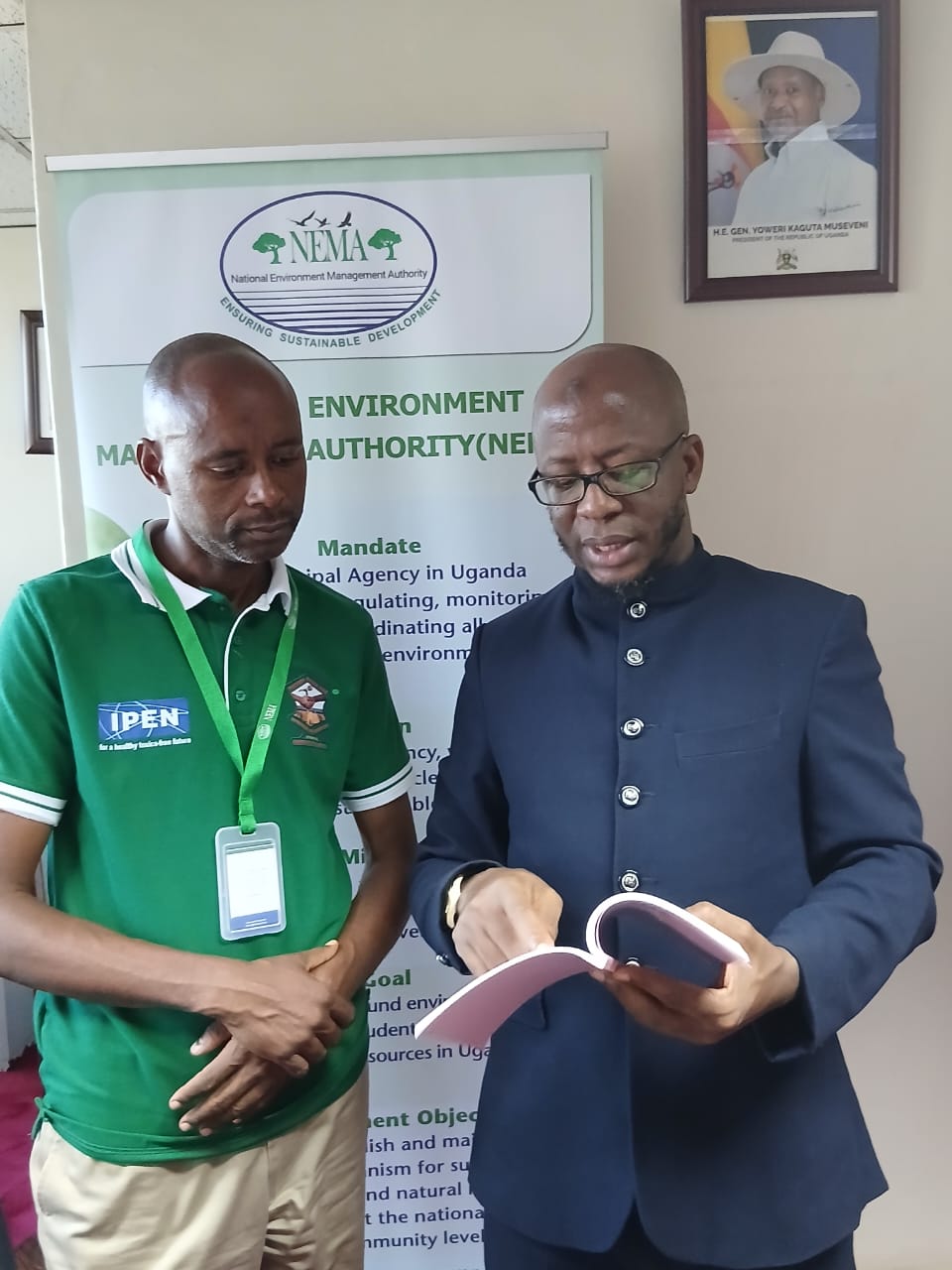
Nyanzi Martin Luther calls for early specialisation in schools, says education alone does not guarantee success
Nyanzi appealed for increased youth representation in government, arguing that younger leaders are better placed to understand the aspirations and challenges facing their generation.

Youth leader Nyanzi Martin Luther has renewed calls for reforms to Uganda’s education system, urging policymakers to introduce practical learning and academic specialisation from Senior Three while arguing that classroom education alone is insufficient to prepare young people for success.
Speaking during an address on Uganda’s development prospects, Nyanzi said the country possesses enormous potential through its natural resources, fertile land and youthful population, but continues to face challenges stemming from corruption, unemployment and an education system that he believes remains disconnected from the realities of the modern economy.
He argued that despite years spent in school, many learners graduate without the practical skills needed to compete in the labour market or create jobs for themselves.
“For six years of secondary education, our schools continue to teach heavy theory instead of equipping students with practical knowledge that can solve everyday problems and create opportunities,” Nyanzi said.
While welcoming the rollout of the competence-based curriculum, he said reforms should move further by allowing learners to specialise earlier according to their interests and strengths.
“Specialisation and hands-on training should begin in Senior Three, not after students reach A-Level,” he said, adding that vocational education, entrepreneurship, agriculture, technology and digital innovation deserve greater emphasis in secondary schools.
Nyanzi also reflected on his own understanding of success, saying education forms only part of a person’s achievements.
“I personally believe education contributes 20 percent to my success. The remaining 70 percent comes from my own determination, while 10 percent comes from friends and family,” he said.
He stressed that his remarks should not be interpreted as dismissing education but as a call for schools to nurture creativity, resilience, leadership and practical skills alongside academic excellence.
Beyond education, Nyanzi criticised corruption, saying the misuse of public resources continues to undermine service delivery in sectors such as health, infrastructure and education.
He also called for greater investment in value addition, industrialisation and digital transformation to expand employment opportunities for young Ugandans.
He commended ongoing road construction initiatives, saying improved infrastructure is essential for economic growth and national development.
Addressing political leadership, Nyanzi appealed for increased youth representation in government, arguing that younger leaders are better placed to understand the aspirations and challenges facing their generation.
“Give young people an opportunity to serve at the highest levels of leadership. We understand today’s challenges because we live them every day, and we are ready to contribute solutions,” he said.
He concluded by urging Ugandans, particularly young people, to remain engaged in shaping the country’s future through accountability, innovation and active citizenship.
The remarks have sparked discussion among sections of Uganda’s youth, adding to the broader national debate on curriculum reform, youth employment and the role of education in preparing learners for an increasingly competitive economy.