Opinion: Repeated bus crashes demand accountability, not excuses
The latest tragedy has once again exposed troubling questions about speeding, fleet management, vehicle inspections, and whether transport operators are being held to account.
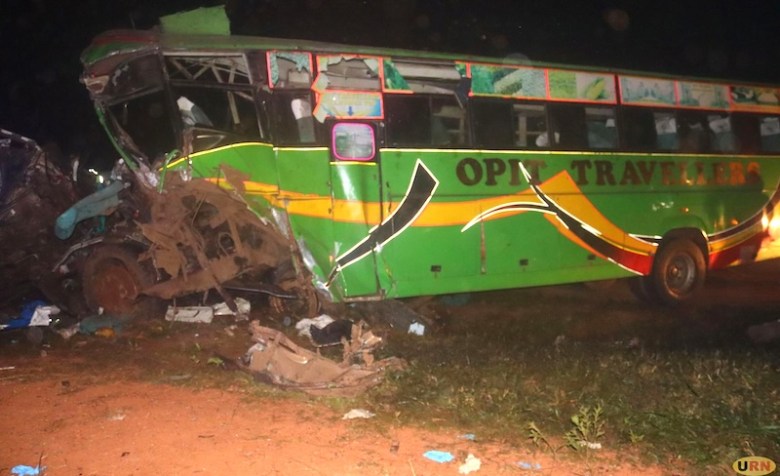
As lives continue to be lost in bus crashes along the Kampala–Gulu Highway, the public deserves stronger accountability, greater transparency in vehicle safety records, and more rigorous enforcement of road safety standards. The latest tragedy has once again exposed troubling questions about speeding, fleet management, vehicle inspections, and whether transport operators are being held to account.
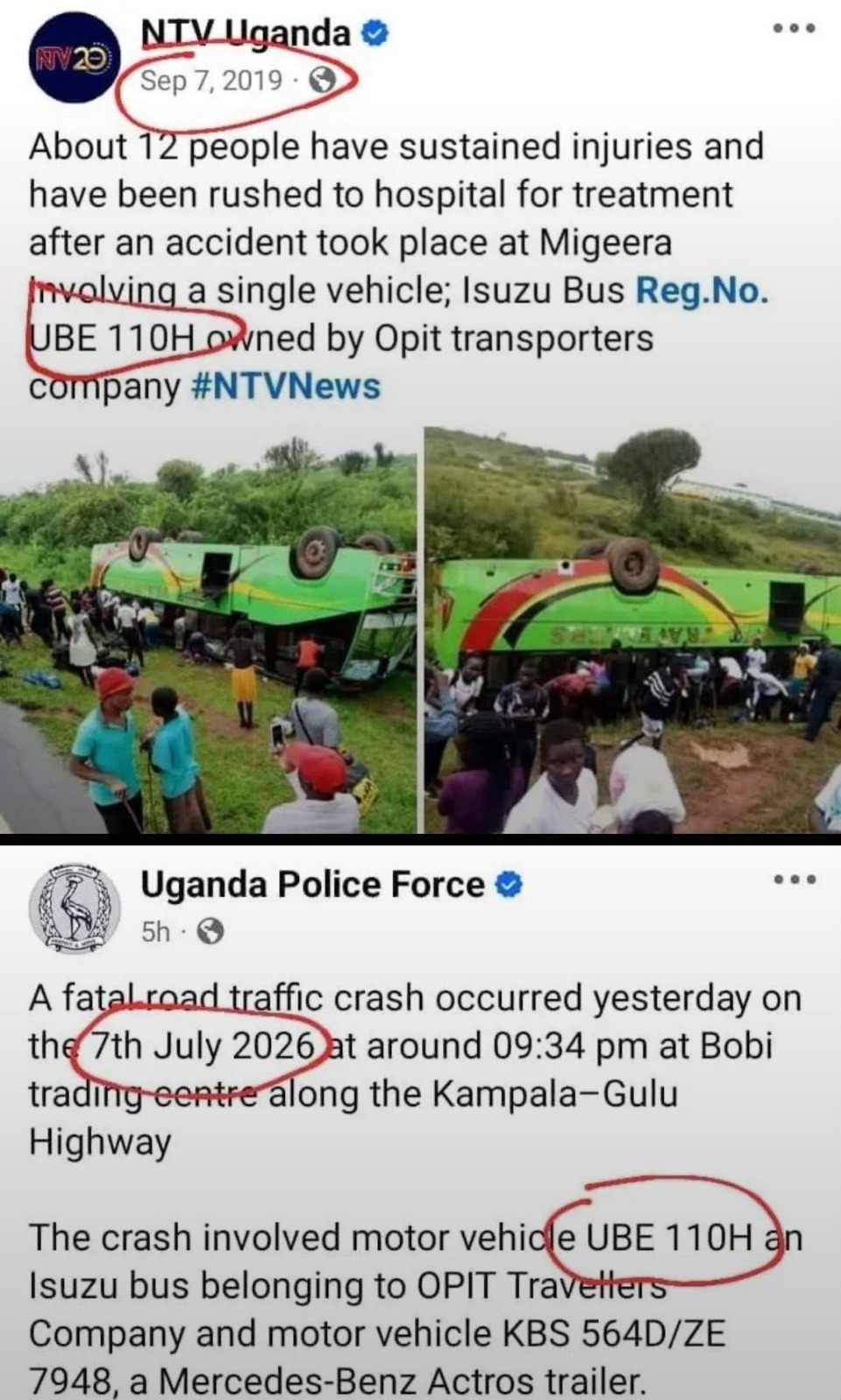
On July 7, 2026, a devastating crash at Bobi Trading Centre along the Kampala–Gulu Highway claimed 14 lives and left 28 others injured. The collision involved an Opit Travellers bus, registration number UBE 110H, and a trailer. According to police, preliminary investigations point to excessive speed and loss of control as contributing factors.
What makes the incident even more concerning is that the same registration number has appeared in previous crash reports. On September 7, 2019, a green Isuzu bus bearing registration UBE 110H overturned at Migeera on the same highway, injuring about 12 passengers.
The repeated appearance of the same registration number in serious accidents raises legitimate public interest questions. Was the vehicle subjected to thorough inspections after the earlier crash? Were its safety systems and roadworthiness adequately verified before it returned to service? If it is not the same physical vehicle but a replacement carrying the same registration, regulators should provide clarity. Public confidence depends on transparency.
Opit Travellers is not the only operator to have attracted safety concerns. Link Bus has also been associated with fatal crashes on the Kampala–Gulu corridor. In one reported case, police said a Link Bus driver was recorded travelling at 99 km/h in an 80 km/h zone before a fatal crash. Other deadly incidents involving the operator have likewise been reported.
Gaagaa Bus Services faced regulatory action after police found that its fleet lacked mandatory speed governors. The company was suspended from operating until it implemented corrective measures, including installing tracking devices and conducting refresher training for drivers.
Taken together, these cases point to a systemic road safety challenge rather than isolated incidents. Speeding, inadequate fleet monitoring, poor mechanical oversight, and inconsistent enforcement continue to create conditions in which preventable tragedies occur.
Uganda cannot afford to respond to every fatal crash with condolences alone. The country needs a more robust road safety regime that includes routine and transparent vehicle inspections, effective digital fleet tracking, mandatory compliance audits, and consistent enforcement of speed limits and other safety regulations across all passenger transport operators.
Every passenger boards a bus with the reasonable expectation of arriving safely. The men, women, and children who lost their lives on the Kampala–Gulu Highway were travelling for work, education, business, and family commitments. Their deaths should never be dismissed as the inevitable cost of road travel.
Road safety is ultimately a matter of accountability. The travelling public has every right to demand stronger oversight, transparent enforcement, and meaningful action whenever transport companies repeatedly feature in serious crashes.
Until regulators and operators treat safety as a non-negotiable obligation rather than a regulatory formality, these tragedies are likely to continue.