Traders, consumers in Mukono overlook UNBS standards amid survival pressures
For years, UNBS has urged traders to stock and sell only products bearing its Quality Mark, a certification meant to assure consumers that goods meet national standards.

By Elisha Muloki
In the bustling trading hub of Seeta Town in Mukono, shelves are lined with a wide range of products -from bread and beverages to cosmetics and household goods.
Yet beneath this vibrant commercial activity lies a growing concern: the widespread sale of goods without certification from the Uganda National Bureau of Standards (UNBS), the body mandated to ensure product quality and safety.
For years, UNBS has urged traders to stock and sell only products bearing its Quality Mark, a certification meant to assure consumers that goods meet national standards.
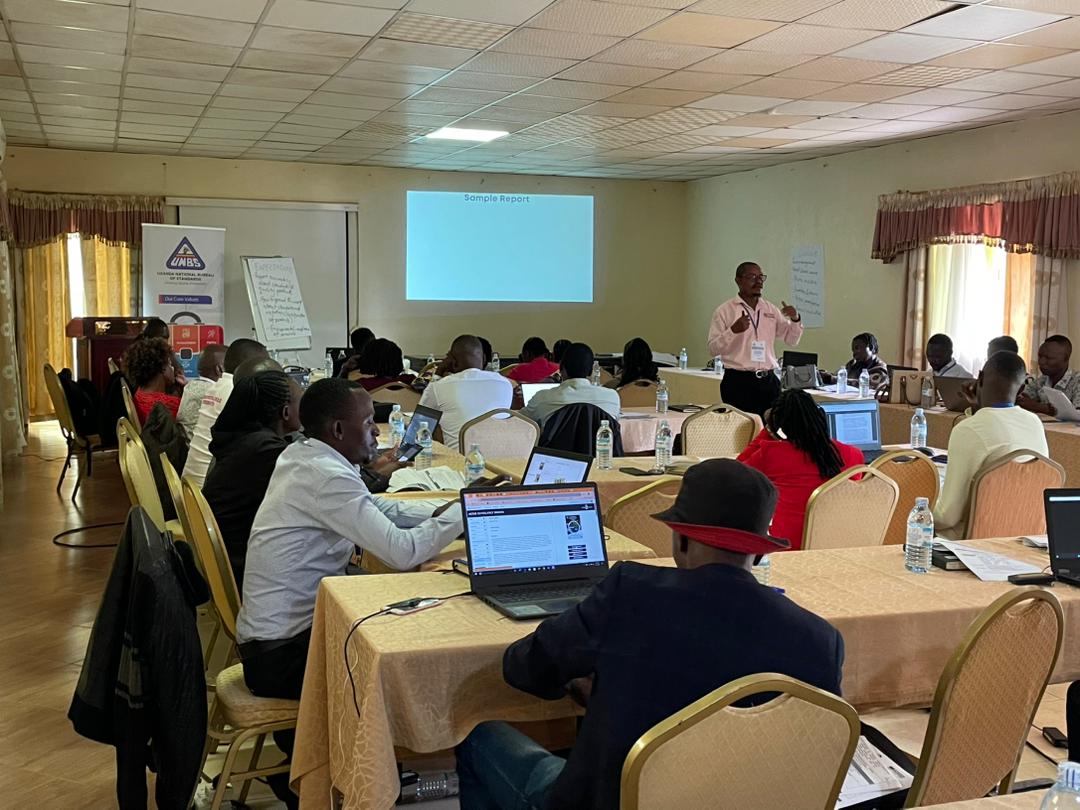
But a simple survey conducted in Seeta during a media training on Standards and Metrology organised by Ultimate Media Consults and UNBS, suggests that this message has yet to take root among both traders and buyers.
Awareness gap and economic realities
Many traders interviewed admitted to either lacking awareness of the standards requirement or choosing to overlook it due to economic pressures.
John Musoke, a retail shopkeeper, says the nature of his supply chain makes compliance difficult.
“Most of our suppliers are start-ups. They cannot afford to go to UNBS to have their products standardized,” Musoke explained.
“If we insist on selling only products that have the standards mark, then we will not work.”
His remarks point to a deeper structural challenge; small-scale producers, who dominate Uganda’s informal economy, often lack the financial and technical capacity to meet certification requirements.
This leaves retailers caught between regulatory expectations and the realities of sustaining their businesses.
Blame game and normalization of counterfeits
For some traders, responsibility lies squarely with the government.
Fred Masembe, another shopkeeper in Seeta, argues that authorities have long tolerated the proliferation of counterfeit and substandard goods.
“Government is aware of these fake and counterfeits in the market because it acquires taxes from them,” he said.
“Government lets them operate, so it should help them standardize.”
Masembe’s sentiments reflect a broader normalization of uncertified products in local markets.
“For years we buy and sell counterfeits and life is normal. As long as a product is not killing people, even if it doesn’t have the quality mark, we will sell it,” he added.
Consumers equally unaware
The gap in awareness is not limited to traders. A youthful bread vendor encountered during the survey admitted he had never heard of UNBS or its role.
“I am hearing about it for the first time,” he said. “But I’m a small business, and my bread is good and healthy. People like it.”
Similarly, Jane Assimwe, a shop attendant, revealed she did not know that UNBS is the government agency responsible for regulating standards.
“Sometimes you see a product and know it’s fake but you can’t do anything about it,” she said. “You know Uganda is for surviving. You don’t want to be the one stopping other people’s hustle.”
Her comments highlight a common perception that enforcement lies elsewhere. “I always thought it’s police work to arrest people trading in fake products,” she added.
Health risks and unfair competition
UNBS, however, maintains that the stakes are high. The agency warns that the sale of counterfeit and substandard goods poses serious health risks to consumers, particularly in sectors such as food, cosmetics, and pharmaceuticals.
Beyond health concerns, the practice also creates unfair competition, disadvantaging manufacturers who invest in meeting regulatory standards.
The road ahead
The situation in Seeta reflects a broader national challenge: bridging the gap between regulation and reality in Uganda’s largely informal economy. While UNBS continues to push for compliance, traders are calling for a more inclusive approach, one that supports small businesses in achieving certification rather than penalizing them.
As Uganda’s markets continue to grow, the success of quality assurance efforts may ultimately depend not just on enforcement, but on awareness, affordability, and collaboration between regulators, producers, and traders.