Victoria University Vice Chancellor, Dr Lawrence Muganga, urges shift from grades to skills as Uganda prepares for 2026 school calendar
According to the Victoria University Vice Chancellor, many learners possess talents that traditional examinations fail to capture, leading to missed opportunities for personal and national development.

As Uganda prepares for the implementation of the 2026 school calendar, Dr Lawrence Muganga, Vice Chancellor of Victoria University, has urged parents, educators, and policymakers to place greater emphasis on skills development, technology, and talent recognition rather than an overreliance on grades.
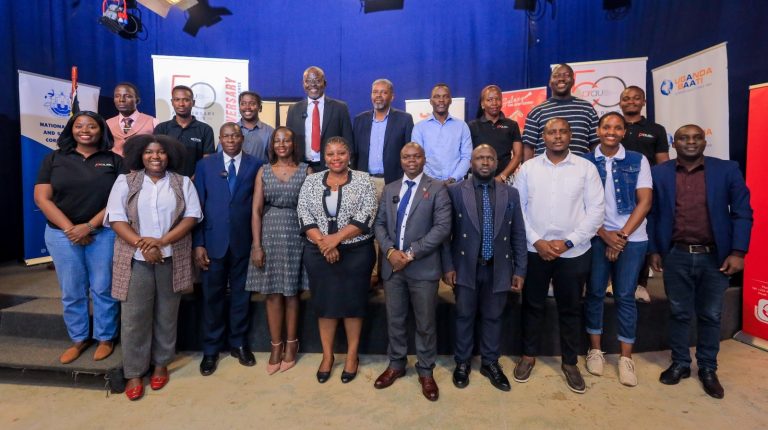
Speaking on Gugudde TV’s The Heads Show during a discussion on academic quality and curriculum transition, Dr Muganga said rapid technological change is redefining education and the future of work, making it critical for parents to equip children with relevant digital skills early.
“Technology is shaping the world faster than ever, and as parents today, our role is to empower the next generation with the skills they need to thrive,” Dr Muganga said. “Equipping children with the right digital tools now ensures they stay ahead in a rapidly evolving world.”
He noted that higher education institutions must align learning with real-world demands, adding that Victoria University has embraced technology-driven teaching to prepare students for emerging global opportunities.
“At Victoria University, we are embracing technology to prepare our students for the future,” he said, announcing that the university’s March intake is now open, giving prospective students an opportunity to begin their journey toward innovative and industry-relevant learning.
Dr Muganga also raised concern over Uganda’s long-standing focus on examination results, particularly at early stages of learning. He argued that the country’s education culture has tended to glorify grades at the expense of creativity, innovation, and practical skills.
“We shouldn’t glorify grades in Uganda. It’s a concern that we focus so much on PLE scores and grading young children, instead of nurturing skills that prepare them to create jobs,” he said. “Today, our education system emphasizes job-seeking over job-creating, and that’s a challenge we must address.”
According to the Victoria University Vice Chancellor, many learners possess talents that traditional examinations fail to capture, leading to missed opportunities for personal and national development.
“No one is born a failure; we all have unique strengths. Some excel in writing, others in music, or in different ways that traditional exams may not measure,” he said.
Dr Muganga commended the Ugandan government’s ongoing education reforms, saying they signal a positive shift toward recognizing diverse abilities and preparing learners for a skills-based economy.
“I commend the Ugandan government for its commitment to transforming our education system to recognize these diverse talents,” he added.
As Uganda navigates curriculum transitions and reforms ahead of the 2026 academic calendar, Dr Muganga’s remarks add to growing calls for an education system that prioritizes innovation, digital competence, and job creation in a fast-changing global landscape.