Why Uganda’s Sexual Offences Bill was withdrawn — and what was at stake
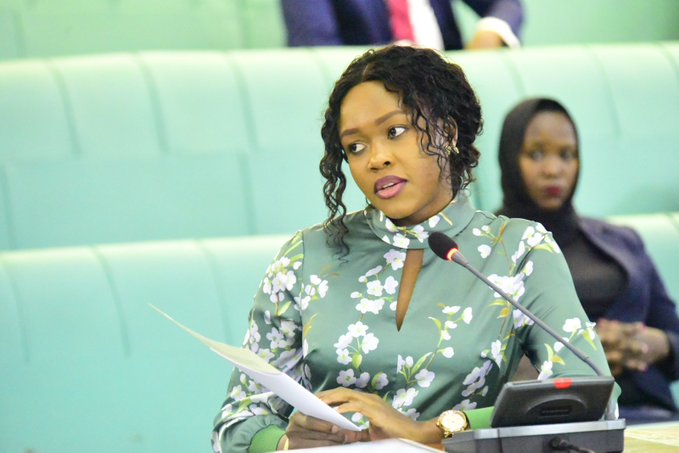
The decision to withdraw the Bill was moved on the floor of Parliament by Flavia Nabagabe, the Woman MP for Kassanda District, who acted on behalf of Adeke.
The withdrawal of the Sexual Offences Bill, 2024 from Parliament has sparked renewed debate about how Uganda should strengthen its legal response to sexual violence while avoiding duplication of existing laws.
The Bill, tabled by Anna Adeke, Woman Member of Parliament for Soroti District, was intended to create a comprehensive legal framework specifically targeting sexual offences. But during a plenary sitting this week, the proposal was formally withdrawn after the government raised concerns that many of the offences outlined in the Bill were already covered under current laws such as the Penal Code.
The decision to withdraw the Bill was moved on the floor of Parliament by Flavia Nabagabe, the Woman MP for Kassanda District, who acted on behalf of Adeke.
Announcing the development, Anita Among, Speaker of the Parliament of Uganda, explained that the government believed the proposed legislation risked duplicating provisions that are already criminalised under existing statutes.
“It has emerged that government has reservations given that the object of the Bill is defining and criminalising sexual offences, which is already covered under the existing laws,” Among told lawmakers.
Extensive Consultations, Diverging Views
According to Nabagabe, the committee reviewing the Bill had already conducted extensive consultations with stakeholders. However, those engagements produced widely differing opinions that could significantly change the intent of the legislation.
“The committee has so far carried out extensive consultations on the Bill and received varying views which have the effect of altering the subject matter of the Bill,” Nabagabe told Parliament while moving the motion to withdraw the legislation.
The decision effectively halts what had become one of the most closely watched private members’ bills in recent years, largely because of the sweeping reforms it sought to introduce in addressing sexual violence.
A Proposed National Sex Offenders Register
One of the most notable proposals in the Bill was the creation of a national sex offenders’ register.
Under clauses 31 and 32, the register would have been managed by the National Identification and Registration Authority (NIRA). Anyone convicted under the law would have their details recorded in the database, which would be maintained electronically or through other official systems.
The Bill proposed that the registration would proceed even if a convicted person filed an appeal. However, if the conviction was later overturned, the court would have been required to notify NIRA within ten days so that the register could be corrected.
Supporters argued that such a registry would help authorities track repeat offenders and strengthen child protection measures.
Criminalising Out-of-Court Settlements
Another controversial proposal sought to criminalise the common practice of settling sexual offence cases privately.
Clause 42 of the Bill proposed that only the Office of the Director of Public Prosecutions would have the authority to discontinue investigations into sexual offences.
Anyone who entered into an agreement or compromise with a suspect—or with relatives of the suspect—to settle a sexual offence outside the formal justice system would have committed a crime punishable by up to ten years in prison.
Advocates of the clause argued that many sexual offences go unpunished because families quietly negotiate settlements that prevent cases from reaching court.
Targeting Concealment of Sexual Abuse
Adeke’s proposals also addressed the concealment of sexual offences, particularly within families and institutions.
Under clause 43, parents, guardians, relatives, or persons in positions of authority who failed to report sexual offences, or who intimidated victims into silence, could face up to three years in prison.
The measure was designed to discourage the widespread practice of suppressing cases of abuse, especially those involving children.
Stronger Protection for Children
Much of the Bill focused on protecting minors from sexual exploitation.
One clause proposed criminalising sexual acts carried out in the presence of a child, even when the child is not directly involved. Offenders could face up to ten years in prison.
Another provision sought to explicitly criminalise child grooming. This included situations where an adult communicates with a child with the intention of gaining their trust for sexual purposes, or sends or receives sexually explicit material involving a child.
Those convicted of grooming offences would have faced up to five years behind bars.
Compensation and Care for Victims
The Bill also attempted to address what advocates say is a major gap in Uganda’s justice system, the lack of comprehensive support for victims.
Adeke proposed that courts should be empowered to order offenders to compensate victims. In addition, judicial officers could direct that survivors receive rehabilitation services, including medical treatment and psychological care.
Supporters said such provisions would help victims recover from trauma while holding perpetrators more accountable.
Debate Likely to Continue
Although the Bill has now been withdrawn, the issues it raised remain central to the national conversation on how Uganda should respond to sexual violence.
Legal experts and civil society groups have long argued that while existing laws criminalise many sexual offences, enforcement challenges and gaps in victim support still persist.
For now, the withdrawal of the Sexual Offences Bill signals a pause in legislative efforts to create a standalone law on sexual crimes. But the proposals it contained—from a sex offenders register to stronger protections for children, are likely to remain part of future policy debates in Uganda’s Parliament.