Government projects Shs69.4 trillion resource envelope for FY 2026/27
Despite the overall reduction, domestic revenue is expected to rise significantly to Shs40.090 trillion, up from Shs36.806 trillion in FY 2025/26, signalling renewed focus on strengthening local revenue mobilisation.
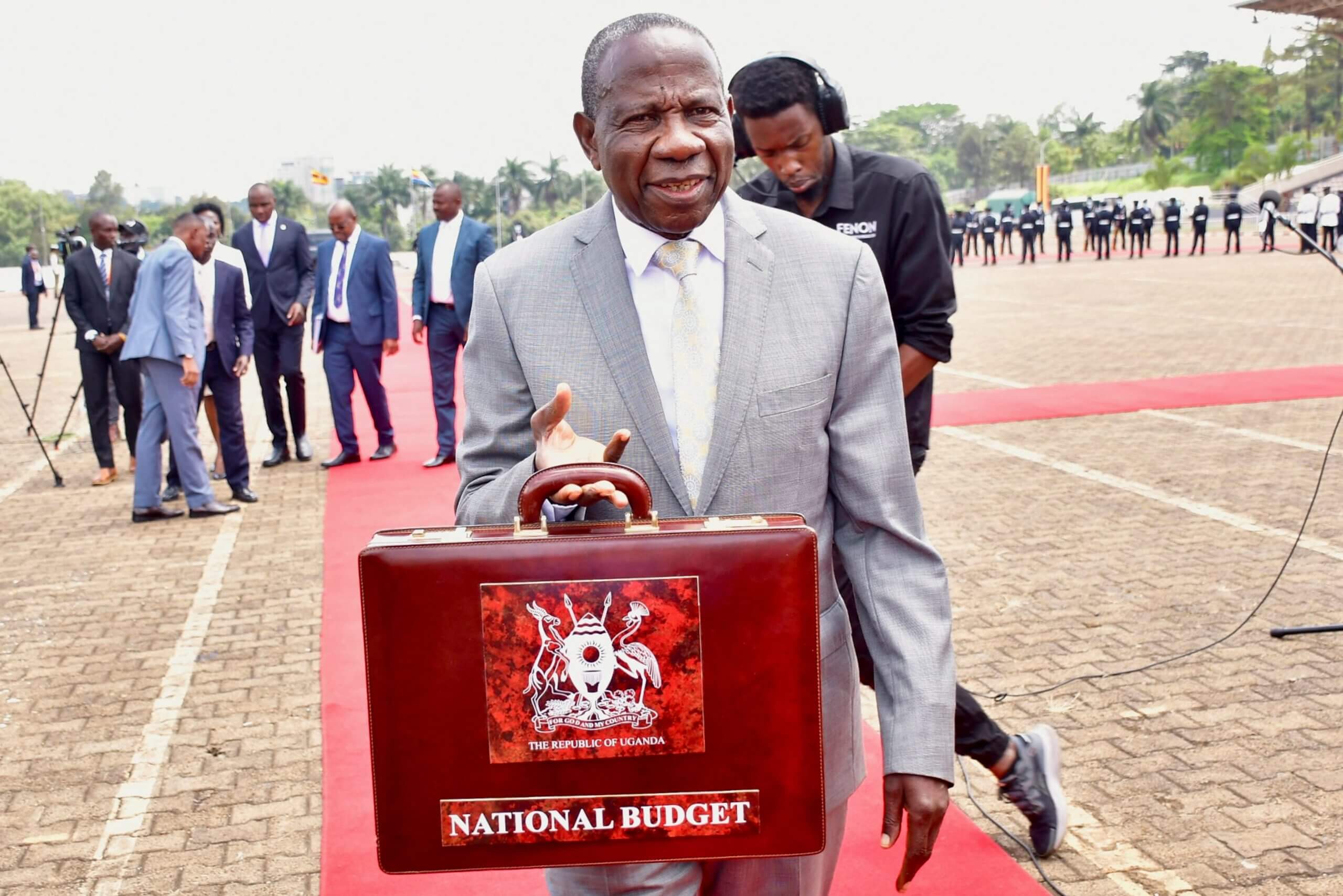
The government, through tthe ministry of finance, has projected a Shs69.399 trillion resource envelope for the FY 2026/27 national budget, reflecting a decline from Shs72.376 trillion in the current FY 2025/26, according to the Budget Framework Paper.
Despite the overall reduction, domestic revenue is expected to rise significantly to Shs40.090 trillion, up from Shs36.806 trillion in FY 2025/26, signalling renewed focus on strengthening local revenue mobilisation.
Government discretionary funding (net of arrears, interest payments, and domestic debt repayments) has been projected at Shs31.059 trillion, down from Shs32.480 trillion in the current financial year.
Domestic borrowing is expected to reduce to Shs8.952 trillion in FY 2026/27, compared to Shs11.381 trillion in FY 2025/26, in line with government efforts to ease pressure on the domestic credit market. Similarly, domestic debt refinancing (roll-over) is projected at Shs9.68 trillion, down from Shs10.028 trillion.
External budget financing is projected to fall sharply from Shs2.084 trillion in FY 2025/26 to Shs330.97 billion, while external project financing is expected to decline to Shs10.018 trillion, from Shs11.327 trillion.
According to the framework, the FY 2026/27 budget will be financed through a mix of domestic and external resources, including tax revenues, loans, and grants.
Government says it will prioritise concessional borrowing to finance social sector projects, while leveraging innovative financing mechanisms with competitive terms to support high-impact infrastructure projects capable of generating strong economic returns.
In addition, government plans to re-prioritise resources within the current fiscal framework to improve allocative efficiency and reduce wastage.
Authorities also reaffirmed their commitment to boost domestic revenue mobilisation, attract foreign direct investment, and maintain sound fiscal and monetary policies aimed at safeguarding macroeconomic stability and improving Uganda’s credit ratings.