10 things you should know about the state of malaria in Uganda: insights from UBOS’ Malaria Indicator Survey report
The survey, the fourth of its kind after previous ones in 2009, 2014–15 and 2018–19, examined malaria prevalence, prevention measures, treatment patterns and community knowledge across the country.
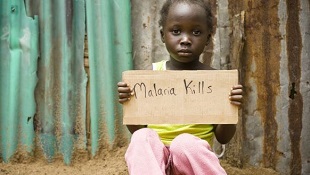
Malaria remains one of Uganda’s most persistent public health challenges despite years of progress in prevention and treatment.
The 2024–25 Uganda Malaria Indicator Survey (UMIS), conducted by the Uganda Bureau of Statistics in collaboration with the Ministry of Health (Uganda), provides a comprehensive picture of how the disease is affecting the country and how well interventions are working.
The survey, the fourth of its kind after previous ones in 2009, 2014–15 and 2018–19, examined malaria prevalence, prevention measures, treatment patterns and community knowledge across the country.
Chris N. Mukiza, Executive Director of UBOS, described the survey and it’s report released last week in Kampala as a vital tool for guiding policy and health interventions.
“This report presents the findings from the survey and reflects the collective effort of government, partners and communities that contributed valuable information towards understanding malaria in Uganda,” Mukiza noted in the preface.
Meanwhile, the Minister of Health, Jane Ruth Aceng Ocero, in the report’s forward, warned that malaria still poses a major threat to public health.
“Malaria remains a major public health problem in Uganda,” she wrote in the report’s foreword, noting that the government has implemented several interventions including mosquito nets, testing, treatment and preventive therapies.
Below are 10 key takeaways from the report that every Ugandan should understand about malaria today.
- Malaria Still Affects Millions of Ugandan Children
The survey found that 21% of children aged 6–59 months tested positive for malaria using rapid diagnostic tests, while 13% tested positive according to microscopy.
This means roughly one in five young children carries malaria parasites, highlighting the continuing burden of the disease.
- Malaria Prevalence Has Increased Since the Last Survey
Despite previous gains, malaria prevalence has risen slightly since the last national survey in 2018–19.
The report attributes this increase partly to the 2022 malaria epidemic and the aftermath of the COVID-19 pandemic, which disrupted health services and prevention programmes.
- Mosquito Nets Are Widely Available in Uganda
One of Uganda’s most notable achievements in malaria prevention has been the widespread distribution of insecticide-treated mosquito nets (ITNs).
According to the survey, 84 percent of households now own at least one insecticide-treated net, while 56 percent have sufficient coverage with at least one net for every two people in the household.
The report further shows that the majority of these nets—about 89 percent—were obtained through large-scale mass distribution campaigns, underscoring the critical role played by government programmes and development partners in expanding access to this key malaria prevention tool.
- But Many People Still Do Not Use Mosquito Nets
Although insecticide-treated nets (ITNs) are widely available across Uganda, only 65% of the population reported sleeping under a net the night before the survey.
Vulnerable groups showed slightly higher usage, with 69% of children under five and 72% of pregnant women using nets.
This persistent gap between net ownership and actual use highlights a critical challenge in malaria prevention, emphasizing the need for ongoing public education, behavior-change campaigns, and community engagement to ensure that the protective benefits of ITNs are fully realized.
- Rural Areas Face a Much Higher Malaria Risk
Malaria infection rates show a clear divide between urban and rural areas, with children in rural communities significantly more likely to test positive for the disease.
This disparity stems from several interconnected factors. Rural households often have housing that offers less protection against mosquitoes, such as open eaves or unscreened windows, increasing exposure to malaria-carrying mosquitoes.
In addition, rural areas typically have more stagnant water sources—like ponds, swamps, or poorly drained fields, that serve as breeding grounds for mosquitoes. Access to healthcare and prompt treatment is also more limited in rural settings, meaning infections can go undetected or untreated for longer periods.
In contrast, urban areas generally have better infrastructure, mosquito control programs, and easier access to clinics, which together help reduce malaria prevalence among children living there.
- Some Regions Are Hit Much Harder Than Others
Malaria’s impact is not uniform across Uganda, with some regions bearing a much heavier burden than others.
According to the survey, areas such as Lango, Acholi, Karamoja, and Teso experience very high malaria prevalence, while urban centers like Kampala and regions like Kigezi report comparatively low infection rates.
These stark regional differences reflect variations in climate, mosquito breeding habitats, population density, and access to healthcare services.
The findings underscore the importance of tailoring malaria control strategies to local conditions, ensuring that high-burden regions receive intensified interventions, while lower-risk areas maintain vigilance to prevent outbreaks.
- Fever Is Still Common Among Young Children
The survey revealed that 31% of children under five had experienced fever in the two weeks preceding the survey, a common symptom of malaria and other infections.