What the Computer Misuse Act ruling by Constitutional Court means for online freedom in Uganda
The ruling, arising from consolidated petitions by civil society, lawyers, and media actors, is being widely seen as a turning point for online freedom of expression, privacy, and the regulation of digital communication in Uganda.
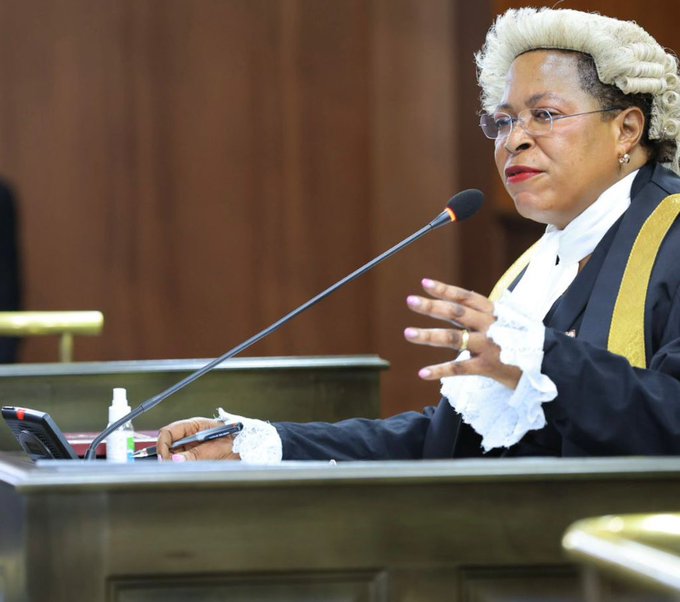
A landmark decision by the Constitutional Court of Uganda has dramatically altered the country’s digital legal landscape, nullifying major provisions of the Computer Misuse (Amendment) Act, 2022. The ruling, arising from consolidated petitions by civil society, lawyers, and media actors, is being widely seen as a turning point for online freedom of expression, privacy, and the regulation of digital communication in Uganda.
A Law Declared Unconstitutional
In its judgment on Constitutional Petitions No. 34, 37, and 42 of 2022, the court ruled that the Computer Misuse (Amendment) Act was null and void in its entirety, primarily because Parliament failed to follow proper legislative procedure, specifically, passing the law without verifying the required quorum.
The court further found that several provisions of the law were overly broad, vague, and inconsistent with constitutional protections, particularly the right to freedom of expression and fair hearing.
In addition, the court invalidated sections of the Penal Code relating to criminal libel, declaring them inconsistent with both Uganda’s Constitution and international human rights obligations.
What the Ruling Means for Ugandans
The judgment has immediate and far-reaching implications for ordinary Ugandans, especially in how they communicate online:
- Expanded Freedom of Expression
The annulment of provisions that criminalised “offensive communication,” “unsolicited information,” and certain forms of social media use removes legal uncertainty that had previously exposed users to arrest or prosecution. Many of these provisions were criticised for being vague and open to abuse.
This means Ugandans can now engage more freely in online discussions, political debate, and information sharing without fear of ambiguous criminal charges.
- Protection of Digital Privacy and Anonymity
Sections that restricted anonymous or pseudonymous communication were struck down, strengthening citizens’ ability to communicate privately or anonymously online—an important safeguard for whistleblowers, journalists, and activists.
- End of Criminal Libel in Practice
By declaring the offence of libel unconstitutional, the court effectively removes a long-standing tool used to prosecute journalists and critics. This aligns Uganda more closely with international standards on free speech.
Impact on Media, Journalism, and Digital Platforms
For journalists, bloggers, and content creators, the ruling is particularly significant. It reduces the legal risks associated with publishing investigative stories or critical commentary online. Media organisations that had faced pressure under the law now operate in a more open environment.
Technology platforms and telecom operators may also see changes in compliance obligations, as enforcement of the invalidated provisions is now prohibited by court order.
Governance and Legislative Accountability
Beyond digital rights, the ruling sends a strong message about constitutionalism and legislative discipline. By nullifying the entire law due to procedural irregularities, the court emphasized that Parliament must strictly adhere to constitutional requirements, including quorum and public participation.
This sets a precedent that could affect how future laws, especially those regulating technology and civil liberties, are drafted and passed.
Challenges and the Road Ahead
While the ruling is widely celebrated by rights groups, it also creates a regulatory gap. The government may need to draft a new law to address genuine concerns such as cybercrime, online harassment, and misinformation, his time ensuring clarity, proportionality, and constitutional compliance.
The balance between digital freedom and responsible online conduct will now be at the centre of Uganda’s policy debate.
Conclusion
The Constitutional Court’s decision marks a defining moment in Uganda’s digital evolution. By striking down key provisions of the Computer Misuse law, the court has expanded freedoms, reinforced constitutional safeguards, and reshaped how Ugandans communicate in the digital age. The ruling not only protects individual rights but also challenges lawmakers to build a more balanced and rights-respecting framework for the country’s growing online space.