
Revamped Jinja facility signals TotalEnergies’ long-term bet on Uganda’s gas market
The investment signals a strategic push by the energy giant to scale up access to cleaner, safer fuel alternatives for households and industry, at a time when Uganda is intensifying efforts to transition away from biomass-based energy sources such as charcoal and firewood.
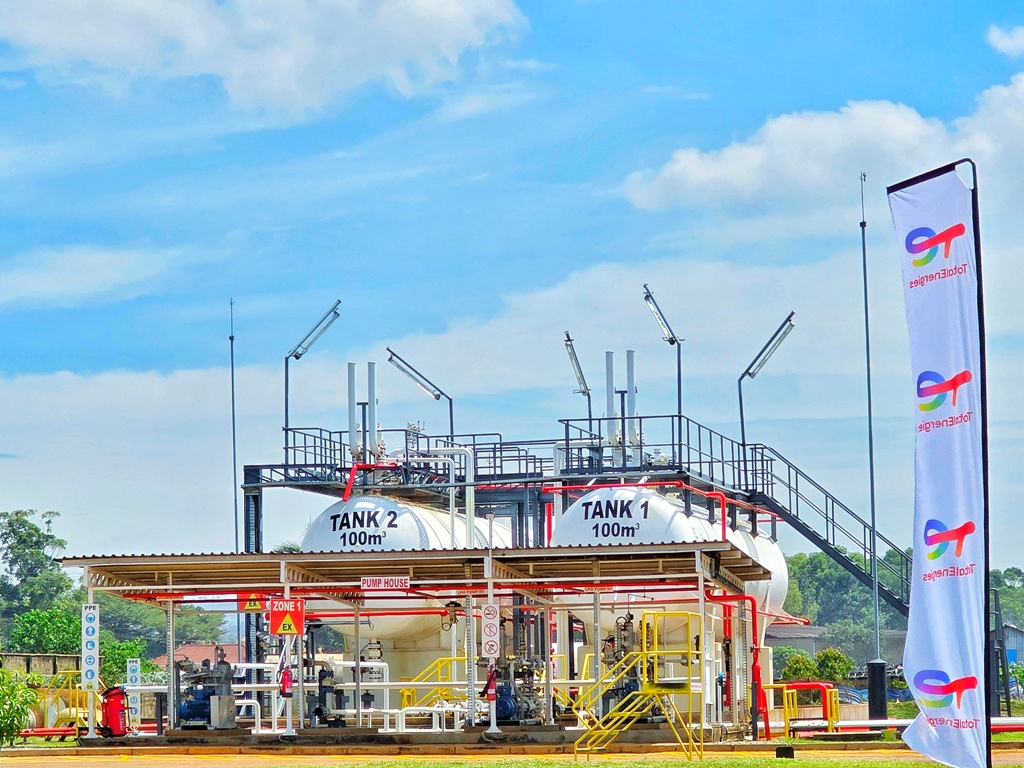
TotalEnergies Marketing Uganda Limited has commissioned a newly revamped Liquefied Petroleum Gas (LPG) filling and storage plant in Jinja, strengthening its footprint in Uganda’s fast-growing clean cooking energy market and positioning itself for future domestic gas supply.
The investment signals a strategic push by the energy giant to scale up access to cleaner, safer fuel alternatives for households and industry, at a time when Uganda is intensifying efforts to transition away from biomass-based energy sources such as charcoal and firewood.
Technology, Safety and Consumer Confidence
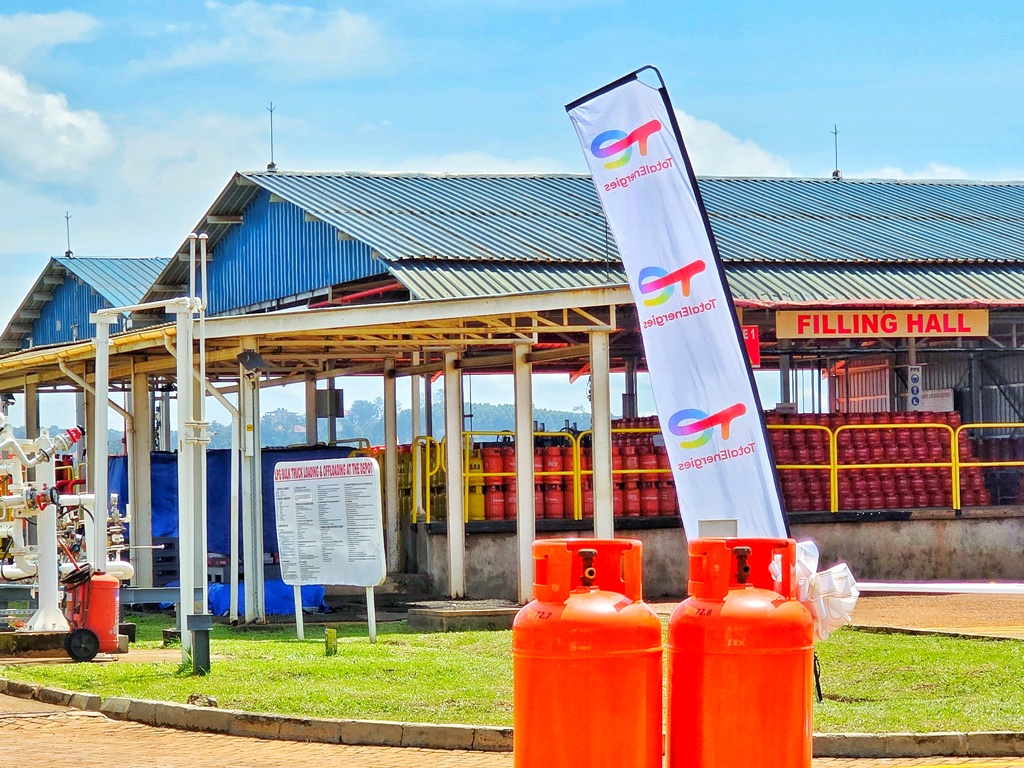
At the heart of the upgrade is a fully automated system designed to deliver precision and safety across the LPG value chain. The facility integrates advanced filling technology, leak-proof mechanisms and tamper-proof sealing systems to ensure customers receive the exact quantity paid for—an issue that has historically affected consumer trust in the LPG market.
Managing Director Olufemi Babajide said the project reflects the company’s long-term commitment to Uganda’s energy transition and sustainable development agenda.
“This refurbished plant reaffirms our commitment to deliver quality, reliable and clean energy to all Ugandans, especially as the country looks forward to local LPG production,” Babajide said, pointing to safety, operational efficiency and environmental stewardship as core pillars of the investment.
Scaling Clean Cooking Ambitions
The upgrade also aligns with TotalEnergies’ global ambition to expand access to clean cooking solutions to 100 million people across Africa and India by 2030.
According to Biova Agbokou, the Jinja facility is a critical piece in that strategy, improving both supply reliability and distribution efficiency.
“Clean cooking energy like LPG reduces health risks associated with traditional fuels, saves time for households and significantly lowers carbon emissions,” she noted, adding that wider adoption could unlock social and economic benefits, particularly for women and small businesses.
Capacity Expansion and Future Growth
Operationally, the plant represents a significant scale-up. Built on approximately five acres, the facility now boasts storage capacity of up to 140 tonnes of LPG and daily production exceeding 40 tonnes, up from about 30 tonnes prior to the upgrade.
Operations Manager Jese Egesa said daily cylinder output ranges between 40 and 50 tonnes depending on demand, with additional room for expansion as market uptake grows.
The plant, originally constructed in 2016, reached full operational completion in December 2025, marking a delayed but ultimately strategic commissioning as demand for LPG accelerates across the country.
Policy Alignment and Industry Impact
Chief Guest Steven Kaboyo commended the investment, describing it as aligned with Uganda’s broader sustainability and climate adaptation strategy.
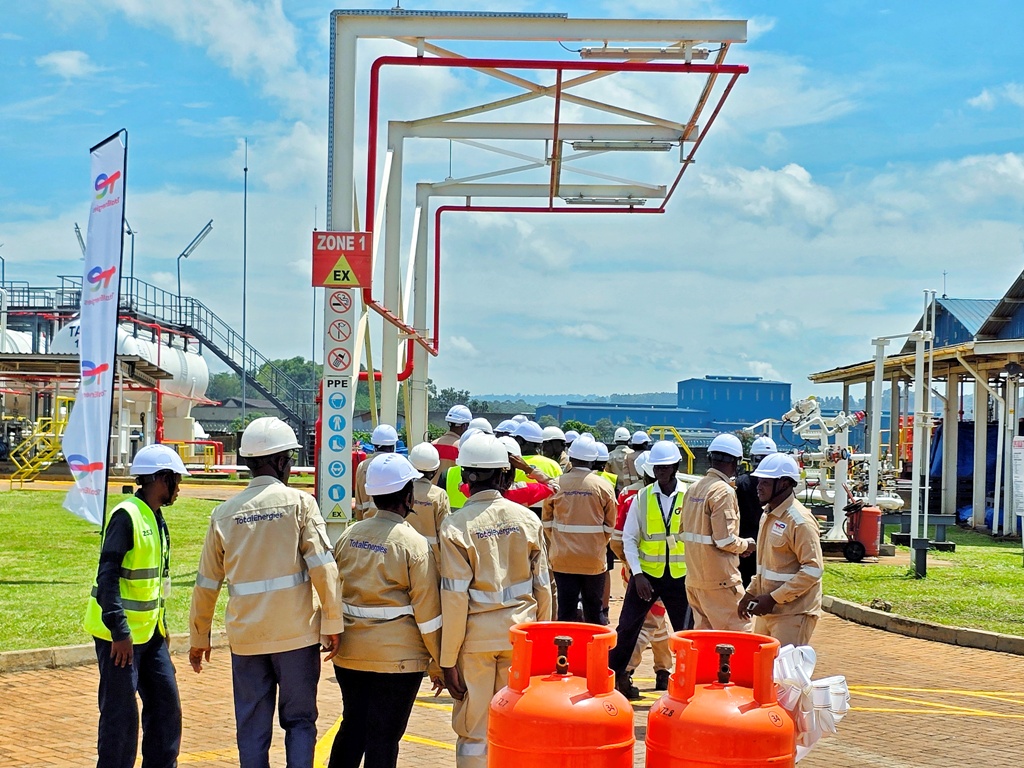
The project has also drawn praise from Uganda National Oil Company (UNOC), which sees LPG as a key transition fuel in Uganda’s evolving energy mix.
UNOC Business Development Manager Ben Kagonyera said the commissioning comes at a critical time as the country prepares for oil production, which is expected to unlock domestic gas supply.
“With the start of oil production, Uganda will also produce gas, creating an opportunity to supply locally produced LPG to its citizens,” Kagonyera said.
He added that LPG production is directly tied to oil timelines, with excess gas expected to come on stream once crude production begins.
A Strategic Bet on Energy Transition
The revamped Jinja plant underscores TotalEnergies’ dual strategy in Uganda—strengthening downstream infrastructure while positioning for upstream-linked gas opportunities.
As policymakers push for cleaner energy adoption and private sector players scale investments, LPG is increasingly emerging as a viable bridge between traditional fuels and long-term renewable energy solutions.
For TotalEnergies, the message is clear: Uganda’s energy future will not only be powered by oil, but also by cleaner, more accessible fuels—and the company intends to be at the center of that transition.