Powering Inclusion: Uganda pushes women to the forefront of energy transition
While acknowledging progress in increasing women’s representation in the energy sector, the minister called for more deliberate efforts to elevate women into technical and decision-making positions.
Uganda is placing women at the centre of its energy transformation agenda, with policymakers and industry leaders calling for stronger inclusion as the country expands access to clean and reliable power.
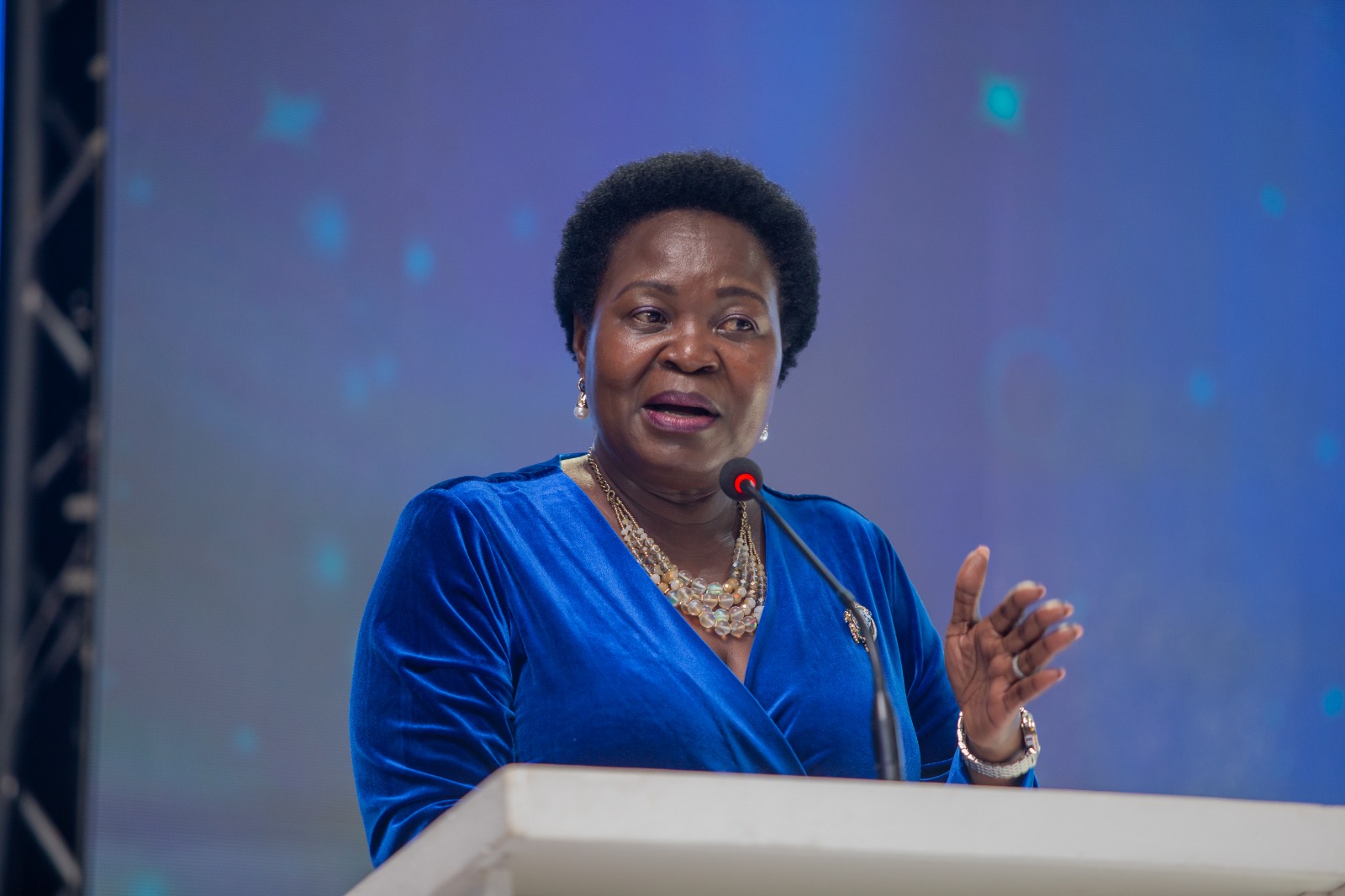
Speaking at the Women in Energy Dinner at the UMA Multi-Purpose Hall, the Minister of Energy and Mineral Development, Ruth Nankabirwa Ssentamu, said women’s participation in the sector is not just a social goal but a strategic necessity for national development.
“Inclusion is a strategic imperative,” she noted, emphasizing that women are central to managing household energy needs and must play a leading role in the shift toward sustainable solutions.
Energy Access and Equity
Nankabirwa highlighted key government programmes aimed at expanding access, including the Electricity Access Scale-Up Project and the Free LPG Gas initiative. These interventions, she said, are critical in reducing reliance on traditional fuels, which disproportionately affect women through health risks and time burdens.
She stressed that reliable and clean energy access is essential not only for household wellbeing but also for income generation and improved livelihoods, particularly in underserved communities.
While acknowledging progress in increasing women’s representation in the energy sector, the minister called for more deliberate efforts to elevate women into technical and decision-making positions.
Stories of Breaking Barriers
Beyond policy, the event spotlighted personal journeys that reflect the evolving face of Uganda’s energy workforce.
Anena Jenneth Mwa, a Senior Projects Engineer at Uganda Electricity Distribution Company Limited, shared her rise from a curious child observing her father’s garage to leading field operations in a traditionally male-dominated field.
Her story of climbing electricity poles and advancing through the ranks underscored the transformative power of mentorship, opportunity, and resilience.
“Energy goes beyond infrastructure — it is about opportunity, empowerment, and access,” she said, urging stakeholders to take practical steps to support women through mentorship, education, and workplace inclusion.
Building the Next Generation
The forum also highlighted growing efforts to inspire young girls to pursue careers in energy and related technical fields.
Ziria Wako, Chief Executive Officer of the Electricity Regulatory Authority, said the Women in Energy initiative has already reached more than 50,000 students across 78 schools nationwide.
“It is inspiring to see young girls grow in confidence and to witness positive change in how society views women in the energy sector,” she said.
A Sector in Transition
As Uganda accelerates its energy transition, stakeholders say inclusive participation will be key to ensuring sustainable progress.
From expanding grid connectivity to promoting clean cooking solutions, the sector is undergoing significant change, and women are increasingly being recognised as both beneficiaries and drivers of that transformation.
The message from the forum was clear: achieving equitable energy access and building a resilient sector will require not only infrastructure investment, but also deliberate efforts to empower women at every level.
With policy backing and growing grassroots momentum, Uganda’s energy future is being shaped not just by megawatts and infrastructure, but by the people, especially women, powering the change.