Surgeons call for equity and rural access at 26th Annual Surgical Conference
Uganda’s surgeons are calling for a shift from urban-focused care to inclusive, rural surgical services, emphasizing training, resources, visibility, and community engagement as essential pillars for the country’s health future.
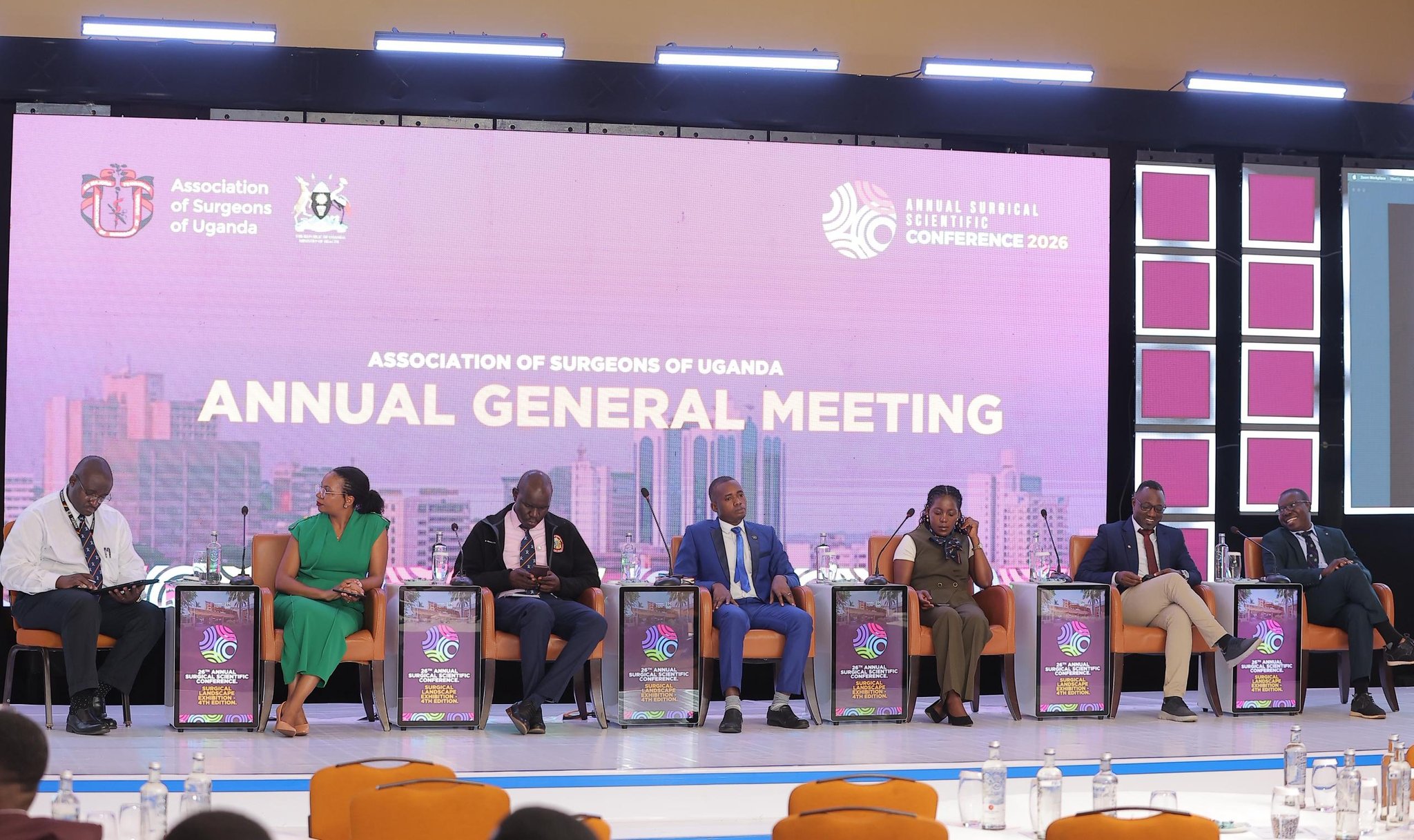
The 26th Annual Surgical Scientific Conference of the Association of Surgeons of Uganda (ASOU), held at Speke Resort, has brought to the forefront the urgent need to expand surgical care beyond urban centers and ensure that every Ugandan has access to life-saving specialists.
Addressing policymakers and delegates, Assoc. Prof. Frank Asiimwe, the President of Uganda Medical Association, urged the Ministry of Health to deepen collaboration with key stakeholders such as the Uganda Medical Association in shaping health policies.
He presented a comprehensive four-point roadmap aimed at retaining surgeons in rural communities: expanding specialized training programs to build local expertise; establishing clear career pathways that incentivize rural service; equipping health facilities with the essential surgical tools and equipment needed for effective practice; and advocating for the provision of social amenities, including housing and schools, to make rural placements more attractive and sustainable for healthcare professionals.
“It’s time to move beyond the city and ensure every Ugandan has access to a specialist,” Prof. Asiimwe emphasized.
The conference also highlighted systemic “bottlenecks” hindering equitable surgical care. Dr. Christine Namugenyi identified challenges at three levels: government and systemic barriers, surgeon-specific factors, and patient-level obstacles.
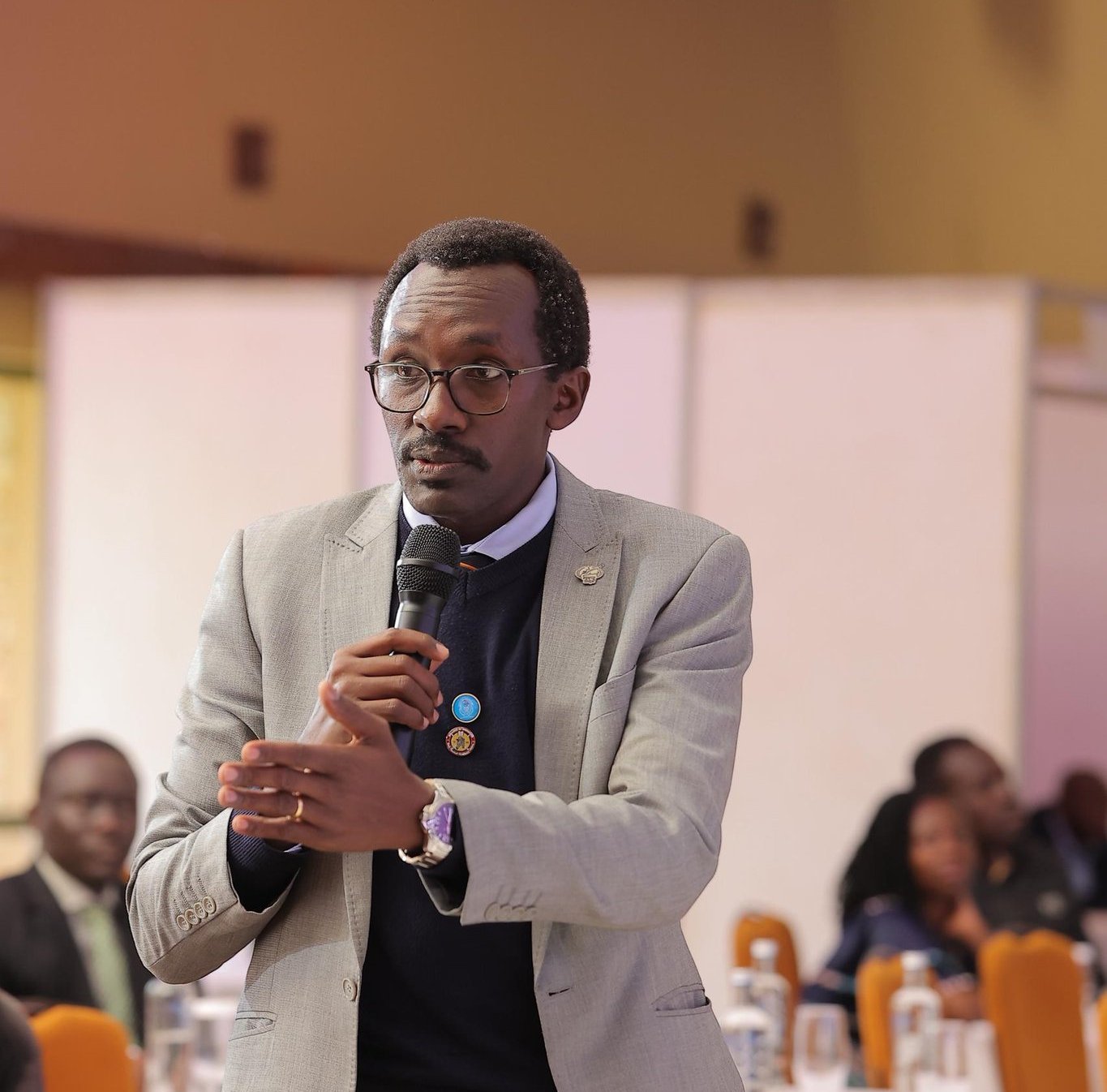
Prof. Moses Galukande, President of the Association of Surgeons of Uganda (ASOU), welcomed delegates to the conference with a bold vision for the future of surgery in the country.
He highlighted three critical challenges that must be addressed to advance surgical care: Engage for Equity, calling for active involvement of policymakers and funders to ensure surgical services reach all communities; Visibility, emphasizing the need to showcase Uganda’s surgical expertise as a pathway to improving equity; and Research, stressing the importance of closing the evidence gap in Sub-Saharan Africa by intentionally publishing local surgical outcomes to inform policy and practice.
From the Ministry of Health, Dr. Richard Kabanda provided an update on Pillar 5 of the Health Sector Strategic Plan, which focuses on strengthening surgical and anesthesia care across Uganda.
He outlined key priorities, including the expansion of surgical infrastructure at both district and city hospitals, increasing the number of qualified surgeons while advocating for high-level support within the Ministry, promoting public awareness to minimize life-threatening delays in accessing care, and ensuring that rural communities are prioritized in the implementation of surgical services.
Dr. Nyeko Filbert issued a rallying call for surgeons to actively participate in policy-making. “If you aren’t at the table, you’re on the menu,” he warned, stressing the need for advocacy, culturally sensitive public education, and urgent training to address the shortage of specialists—currently at just one surgeon per 100,000 people.
Patient education and trust were highlighted by Dr. Adam Kimala, who reminded delegates that “surgery is life-saving, not life-threatening.” He emphasized the importance of combating misinformation and building public trust in surgical care to encourage early intervention.
At the district level, Dr. Dan Ogwal outlined five pillars for strengthening surgical services: bridging the specialist gap, establishing specialized departments, upskilling medical officers, equipping operating theatres, and ensuring safe anesthesia and staffing. “A theatre without a specialist is just a room. Let’s staff our districts!” he stated.
The conference concluded with a consensus that sustainable surgical care in Uganda requires a combination of policy engagement, infrastructure investment, workforce development, public education, and strategic advocacy to ensure equity and accessibility for all communities.