Academic don, Dr. Ndagishe Aliyi, criticises government as jobless doctors’ rise amid teachers’ pay boost
As debate continues, Dr. Aliyi’s comments have added to growing calls for a more balanced approach in resource allocation, with stakeholders urging greater focus on strengthening Uganda’s healthcare system.
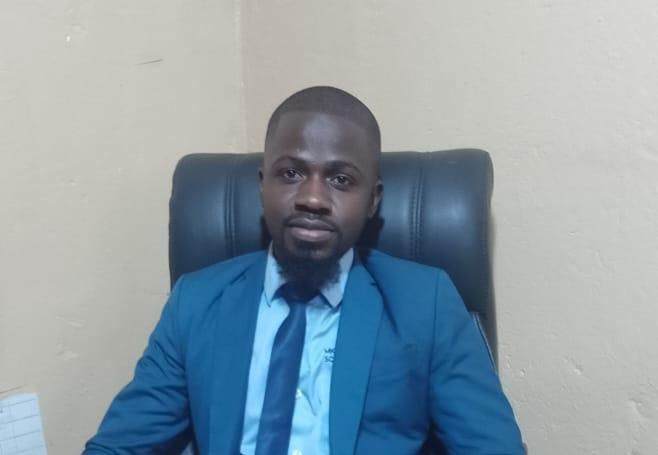
Dr. Ndagishe Aliyi, Dean of Studies at MK International School and Chief Executive Officer of Ali Medical Hospital, has raised concern over what he describes as growing imbalance in government priorities, pointing to rising unemployment among doctors alongside new salary enhancements for Arts teachers.
In an interview, Dr. Aliyi said Uganda continues to produce large numbers of medical graduates each year, many of whom struggle to find employment despite evident staffing gaps in public health facilities.
“Every year, thousands of qualified doctors graduate from various universities, yet many remain unemployed or underemployed for extended periods. This situation is not only frustrating for the young professionals who have invested years in rigorous medical training, but it is also a missed opportunity to strengthen our healthcare system.”
His remarks follow a recent announcement by Jessica Alupo that Arts teachers in government-aided secondary schools will begin receiving a phased 25 percent salary increment starting July 2026 under the 2026/2027 financial year. The move is part of broader efforts to align their pay with that of science teachers.
Dr. Aliyi questioned the urgency of the increment in comparison to the challenges facing the health sector, particularly the limited recruitment of doctors into public service.
He also highlighted ongoing concerns about the management of medical supplies in government hospitals, noting that the loss of essential drugs continues to affect service delivery.
“The theft of medical drugs and supplies in public hospitals remains a serious concern. It undermines trust in the health system and leaves many patients without access to necessary treatment.”
He called for stronger oversight mechanisms, including improved monitoring systems, regular audits, and firm action against individuals involved in the diversion of medicines.
Dr. Aliyi further urged authorities to prioritise the recruitment of medical professionals to bridge staffing gaps, especially in underserved areas where access to healthcare remains limited.
In his concluding remarks, he stressed the need for urgent and coordinated action:
“Addressing these challenges requires commitment and urgency. Strengthening the health workforce and ensuring proper management of medical supplies are essential steps toward improving healthcare delivery in the country.”
The government has in recent months acknowledged challenges within the health sector, including drug management and staffing constraints. Efforts to digitise hospital systems and strengthen regulatory frameworks are ongoing, although concerns persist over implementation and consistency.
As debate continues, Dr. Aliyi’s comments have added to growing calls for a more balanced approach in resource allocation, with stakeholders urging greater focus on strengthening Uganda’s healthcare system.