Kabaka Birthday Run: A race that pushes to end of HIV/AIDS turns up again with a call for men’s health action to end virus
Uganda has made significant progress in reducing HIV prevalence over the decades, but challenges remain. Public health campaigns increasingly recognize that engaging men, through testing, safe practices, and open dialogue, is essential to breaking the chain of transmission.
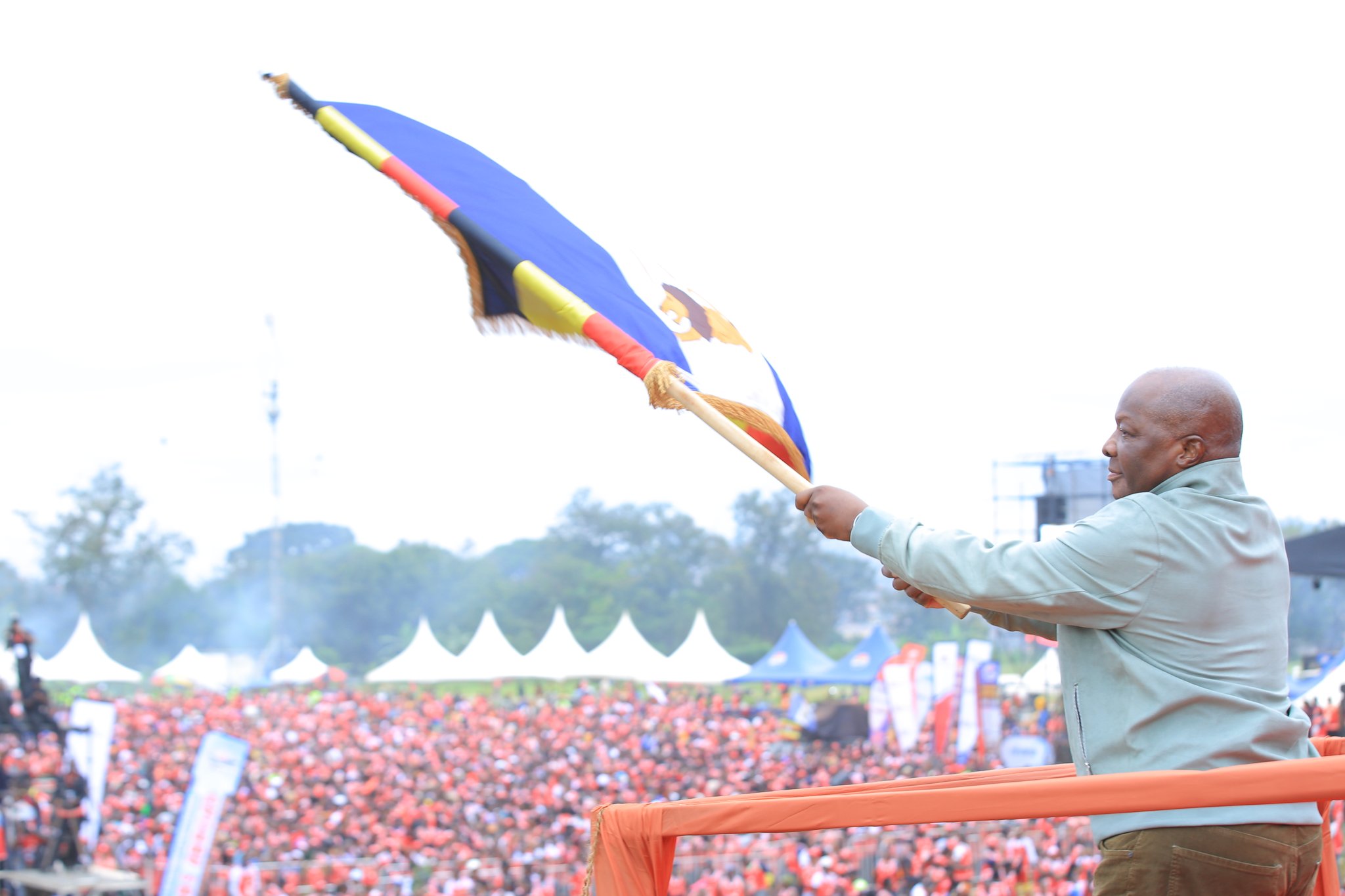
What began as a sea of red and white T-shirts streaming through the streets of Mengo on Sunday morning quickly transformed into something more powerful: a nationwide call to action on health, responsibility, and the future of Uganda’s young girls.
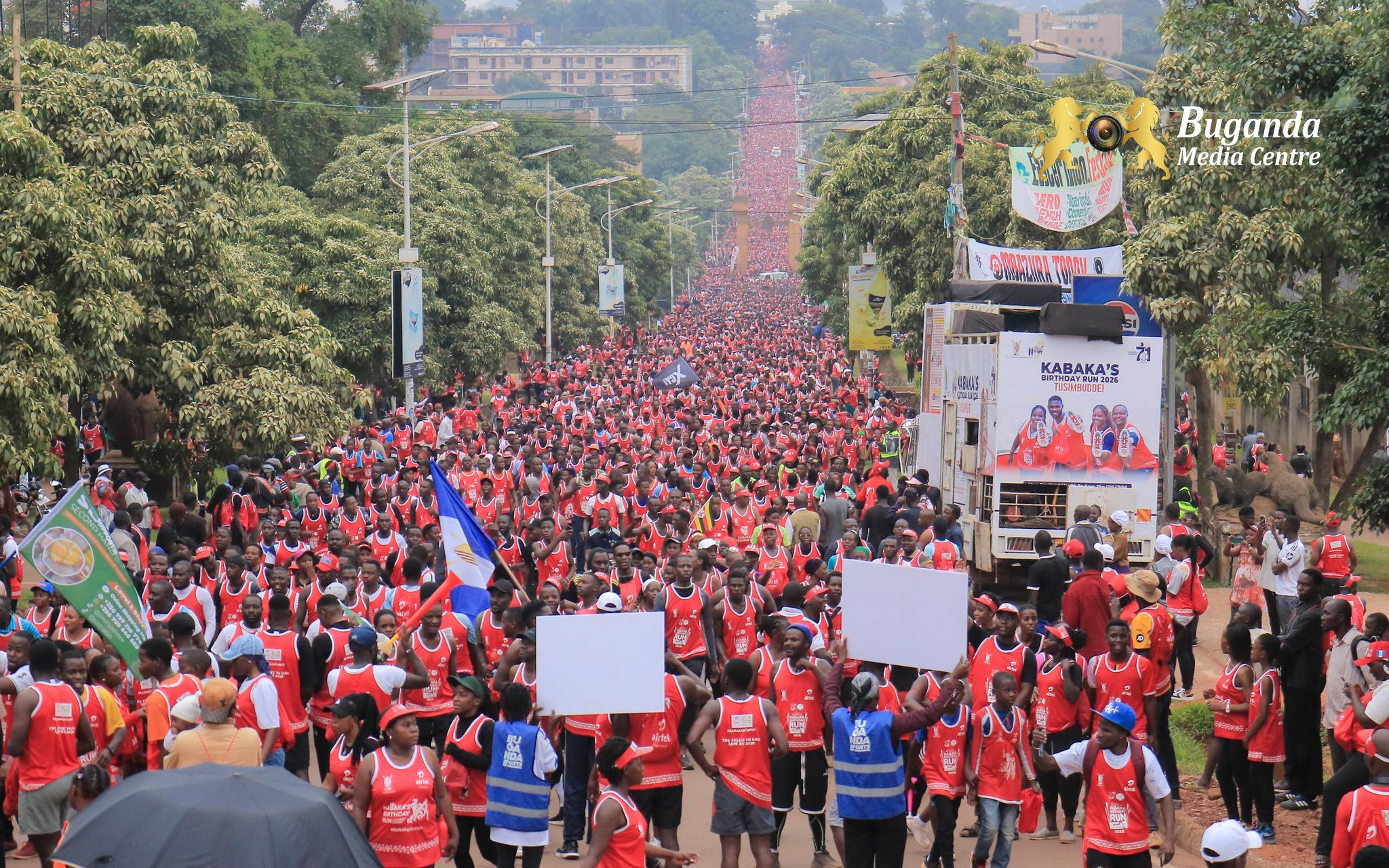
The 13th annual Kabaka Birthday Run, flagged off at Lubiri Palace to celebrate the king’s 71st birthday, drew more than 100,000 participants from across the country, all united under a bold theme: “Men for Good Health to Save the Girl Child and Fight to End HIV/AIDS by 2030.”
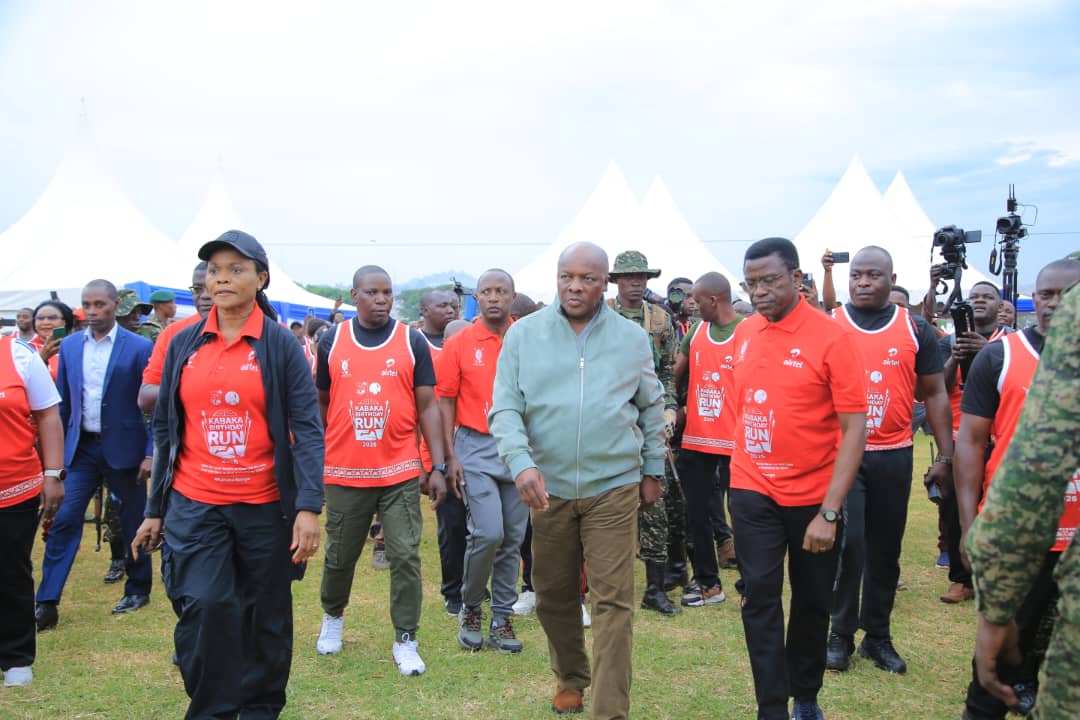
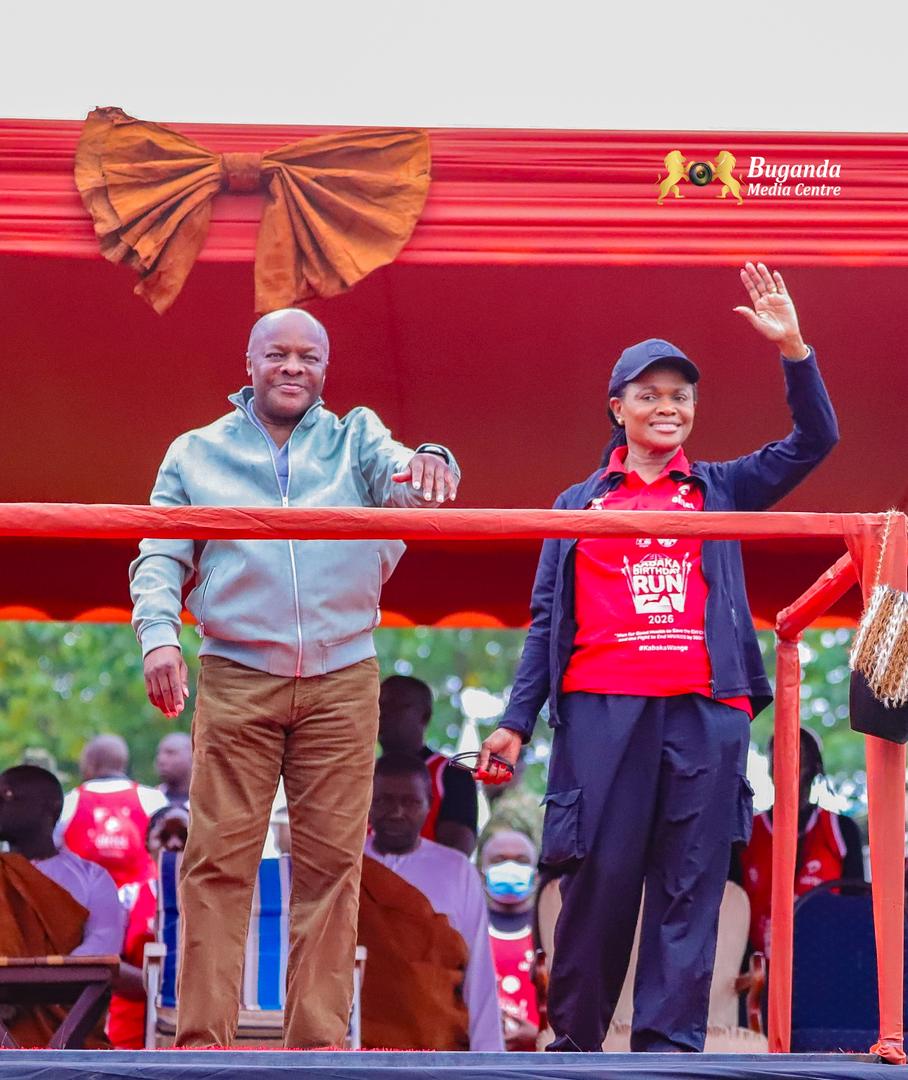
At the center of the event were Kabaka Ronald Muwenda Mutebi II and Nnabagereka Sylvia Nagginda, whose presence underscored the cultural and social weight behind the campaign.
Flanked by Buganda’s Prime Minister Charles Peter Mayiga, they set off runners in the early morning chill, symbolically launching not just a race, but a movement.
A Health Message Beyond the Finish Line
This year’s run shifts focus sharply toward HIV/AIDS prevention, particularly emphasizing the role men play in safeguarding the health of women and girls.
Health experts have long argued that male involvement remains a missing link in efforts to reduce new infections, especially among adolescent girls and young women who remain disproportionately affected.
Addressing participants, Mayiga delivered a message that resonated beyond the event grounds: men must take responsibility, not only for their own health, but for the wellbeing of their partners and communities.
He urged young people to avoid risky behaviors, reminding them that “there are better things ahead,” while calling on those who are HIV-negative to actively protect themselves.
Why Men Matter in the HIV Fight
Uganda has made significant progress in reducing HIV prevalence over the decades, but challenges remain. Public health campaigns increasingly recognize that engaging men, through testing, safe practices, and open dialogue, is essential to breaking the chain of transmission.
By framing men as protectors of the “girl child,” this year’s theme directly connects male health behavior to broader social outcomes, including education, safety, and long-term wellbeing for young women.
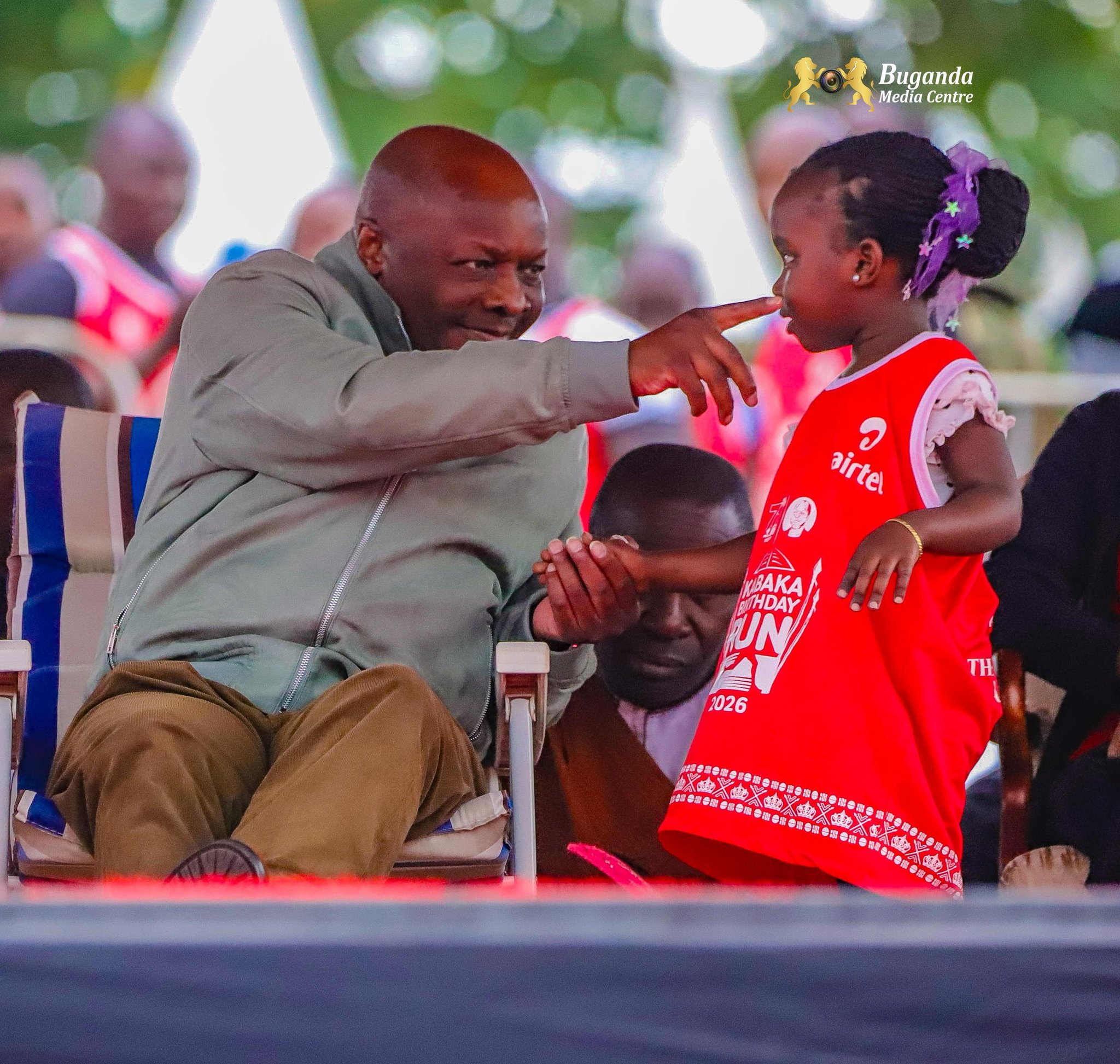
Events like the Kabaka Birthday Run help normalize conversations around HIV testing, stigma, and prevention, topics that are often avoided in everyday life.
Fitness Meets Public Health
Participants took part in 5km, 10km, and 21km races, turning the run into both a fitness activity and a public health campaign. From families jogging together to youth groups dancing along the route, the atmosphere blended celebration with purpose.
Organizers estimate that over 130,000 kits were sold at Shs25,000 each, raising approximately Shs3.3 billion to support health initiatives. These funds contribute to ongoing awareness campaigns, testing drives, and community outreach programs.
Since its inception in 2014, the run has tackled various health issues, from sickle cell disease to fistula, and has now become one of Uganda’s largest platforms for health advocacy.
Corporate and Community Partnership
The event also highlighted the role of partnerships in public health. Sunil Taldar, who participated in the 10km race, described the initiative as one of the country’s most significant collective efforts against HIV/AIDS.
He noted that nearly every family has been affected by the disease in some way, reinforcing the urgency of sustained action. Airtel’s continued support, he said, reflects a broader commitment to Uganda’s long-term health goals.
A Cultural Platform for Health Change
Beyond the statistics and fundraising, the Kabaka Birthday Run demonstrates how cultural institutions can drive meaningful health change. By leveraging the influence of the Buganda Kingdom, the campaign reaches deep into communities, making health messages more relatable and impactful.
As Uganda pushes toward the 2030 target of ending HIV/AIDS as a public health threat, initiatives like this serve as both reminder and rallying point: that the fight is far from over, and that everyone, especially men, has a role to play.
The finish lines may have been crossed by mid-morning, but the real race, toward a healthier, HIV-free generation, continues.