Accountants body pushes for higher tax on entertainers, calls for clear definition of ‘public events’
Lawmakers on the committee questioned the practicality of enforcing the tax, particularly where private individuals would be required to deduct and remit withholding tax.
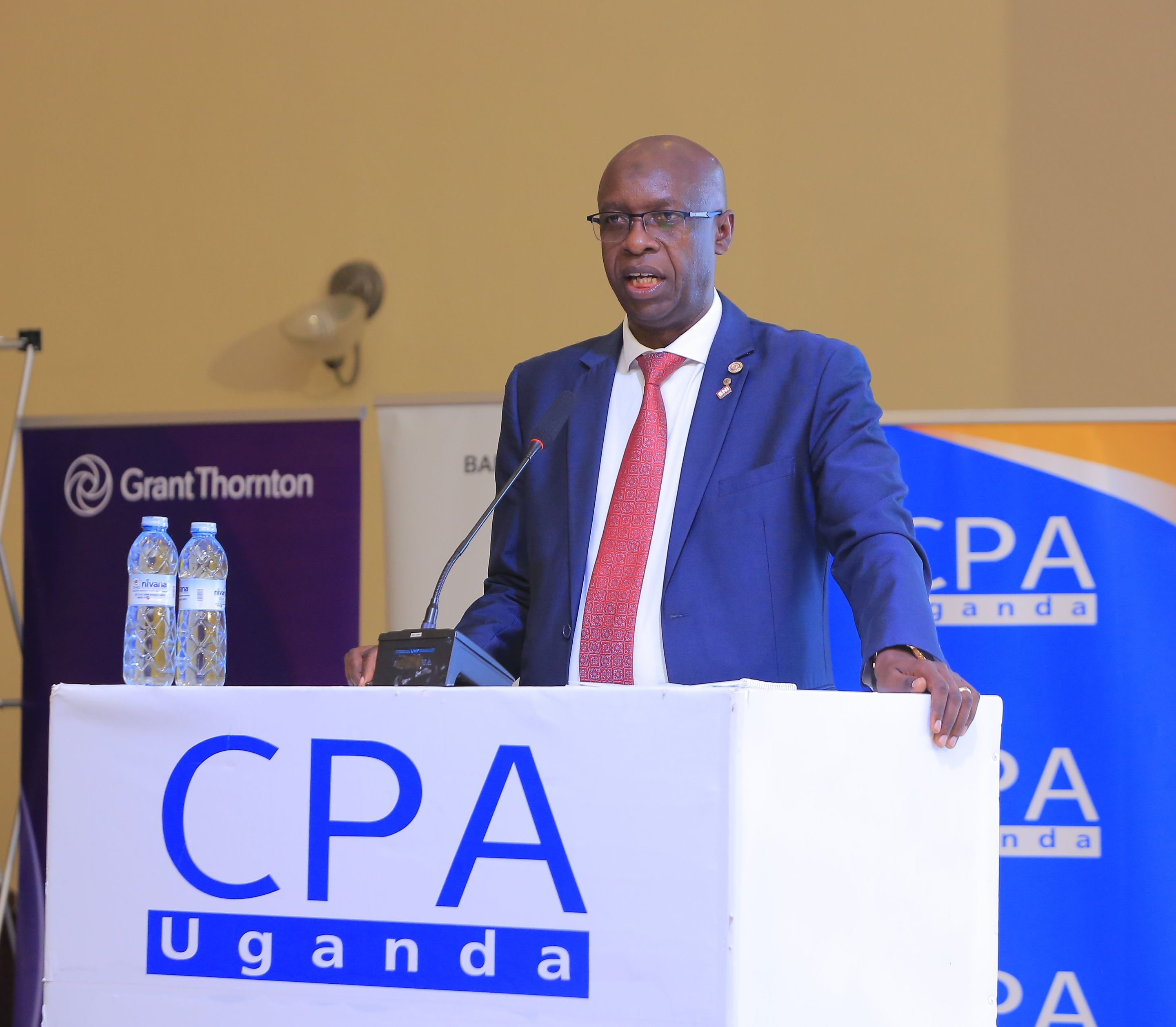
The Institute of Certified Public Accountants of Uganda has proposed an increase in withholding tax on public entertainers from the proposed 6 percent to 15 percent, arguing that the move would boost revenue and formalise taxation in the fast-growing entertainment sector.
Presenting submissions to Parliament’s Finance Committee on tax bills for the 2026/27 national budget, Silajji Kanyesigye Baguma, Chairperson of the Institute’s Taxation and Economic Policy Panel, said the higher rate would help bring more creatives into the tax net.
He noted that many players in the entertainment industry operate outside traditional employment structures, making it difficult for tax authorities to track and collect revenue.
“Applying a 15 percent withholding tax on gross payments to public entertainers would enhance compliance while supporting government revenue mobilisation,” Baguma told legislators.
Call for clarity on ‘public entertainment’
However, the Institute cautioned that the effectiveness of the proposed tax hinges on a clear definition of what constitutes public entertainment.
Baguma warned that vague wording in the law could inadvertently capture private events such as weddings, graduation ceremonies and family parties, placing an unnecessary burden on ordinary citizens.
“We need to define public entertainment clearly—such as concerts, radio and television shows—so that private functions are excluded,” he said.
He added that payments made to entertainers at private functions should not fall under the proposed tax regime.
“For instance, if I invite an artist to perform at a private function in my home, that should not be treated as public entertainment,” Baguma explained.
MPs raise concerns over implementation
Lawmakers on the committee questioned the practicality of enforcing the tax, particularly where private individuals would be required to deduct and remit withholding tax.
Keffa Kiwanuka, the Member of Parliament for Kiboga East, expressed concern that the proposal could create confusion and additional compliance burdens for the public.
“How do you expect individuals hosting events to withhold and remit tax to the Uganda Revenue Authority? Doesn’t this become an unnecessary burden and cause anxiety?” Kiwanuka asked.
In response, Baguma reiterated that the tax should only apply to clearly defined commercial or public entertainment activities, not private engagements.
Wider tax proposals backed
The Institute also supported the introduction of withholding tax on other categories, including insurance agents, mobile money agents, and earnings from gaming and sports betting.
However, it emphasised that clear legal definitions are critical to avoid ambiguity and ensure that the tax measures are applied fairly and effectively.
The proposals come as Parliament scrutinises tax measures aimed at widening Uganda’s tax base and increasing domestic revenue mobilisation to finance the 2026/27 national budget.