Tayebwa backs new malaria strategy as Uganda seeks to reverse rising cases
With malaria still accounting for a significant share of disease burden, the push for a comprehensive elimination strategy signals a critical moment in Uganda’s public health agenda, one that could determine whether the country regains momentum or continues to see setbacks in the fight against the disease.
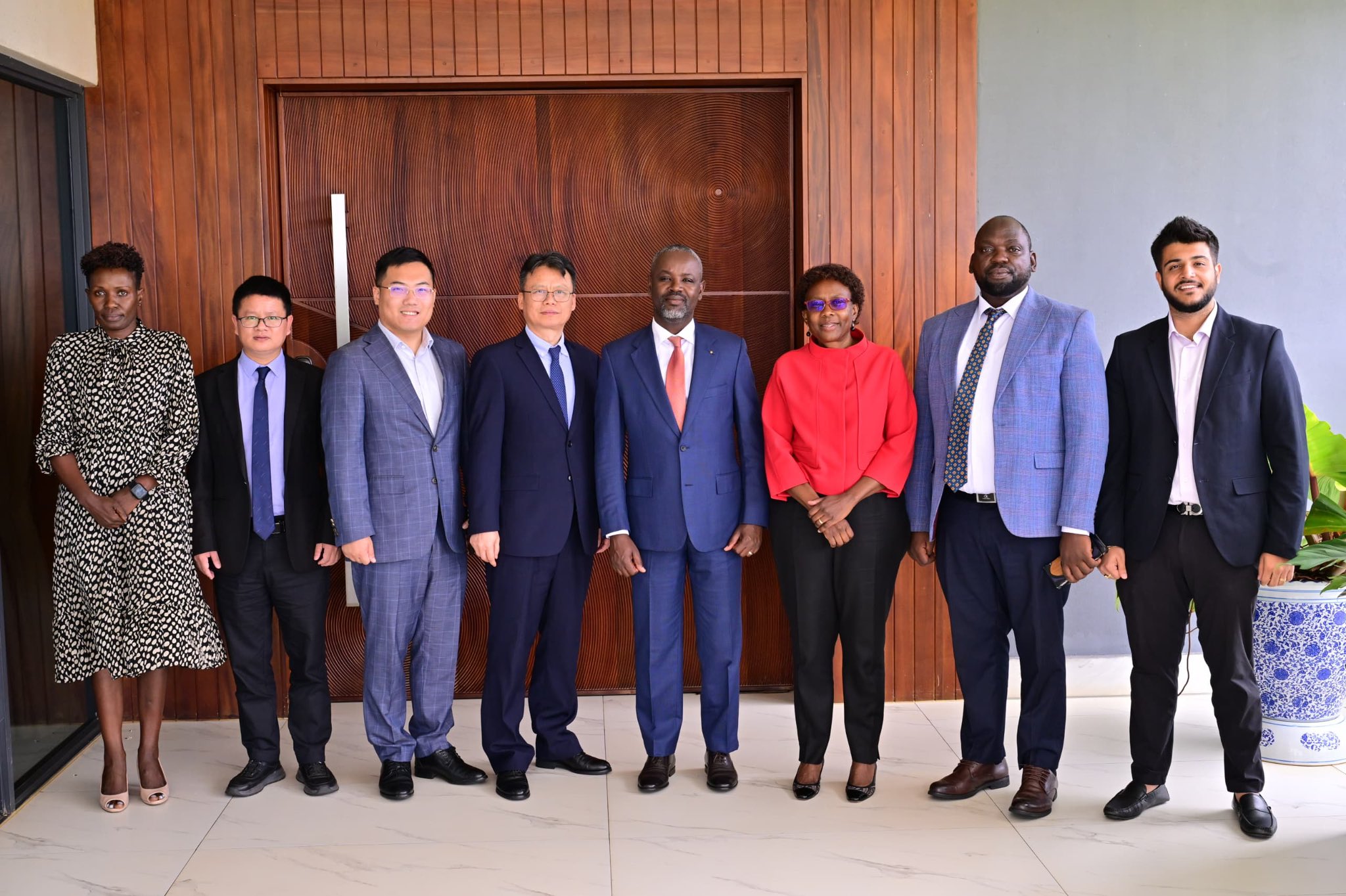
Deputy Speaker Thomas Tayebwa has called for urgent, coordinated action to combat malaria, warning that Uganda risks losing hard-won gains as infection rates begin to rise again.
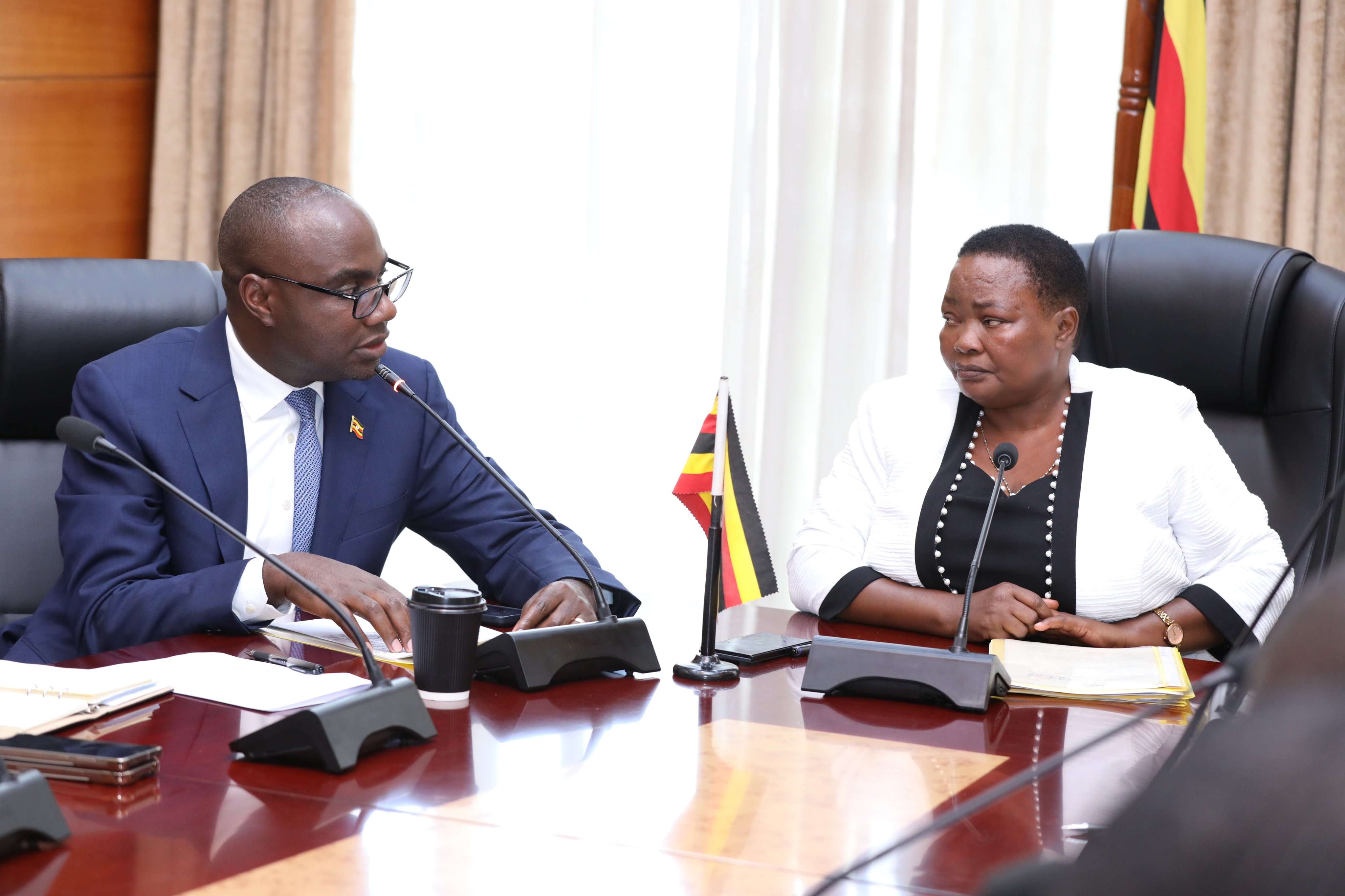
Tayebwa made the remarks following a high-level meeting with Health Minister Jane Ruth Aceng and a visiting delegation from the New South Institute of Traditional Chinese Medicine, who presented a new approach aimed at eliminating malaria through source eradication.
New Model to Tackle Persistent Burden
At the centre of discussions was the Fast Elimination of Malaria by Source Eradication (FEMSE) initiative, a strategy that combines mass drug administration, prevention measures, and early diagnosis and treatment.
Tayebwa said Uganda has made notable progress in reducing malaria over the years, but recent findings from the Malaria Indicator Survey show a worrying reversal of those gains.
“This calls for stronger coordination, increased investment, and a more deliberate, united approach,” he said.
Learning from Global Success
The FEMSE model draws on international best practices, including China’s malaria elimination efforts, which emphasised early detection, rapid treatment, and widespread prevention campaigns.
Officials pointed to countries like the Comoros, where malaria cases reportedly dropped by up to 98 percent after adopting similar strategies, as evidence that elimination is achievable.
Challenges at Home
Despite ongoing interventions such as testing and treatment, indoor residual spraying, larviciding, and preventive medication, Uganda continues to face significant hurdles.
Tayebwa highlighted persistent challenges including funding gaps, limited supply of essential commodities, and behavioural factors that affect uptake of prevention measures.
Malaria remains one of the leading causes of illness in Uganda, placing pressure on health facilities and impacting productivity and livelihoods across the country.
Toward a National Strategy
To strengthen the response, Tayebwa proposed a national dialogue followed by a high-level roundtable that would bring together scientists, policymakers, and development partners to develop a unified elimination strategy.
He also emphasised the need to mobilise international support to scale up proven interventions and ensure sustainable financing for malaria control programmes.
Renewed Momentum
Health officials say the proposed partnership and renewed focus could help shift Uganda’s malaria response from fragmented interventions to a more coordinated national effort.
With malaria still accounting for a significant share of disease burden, the push for a comprehensive elimination strategy signals a critical moment in Uganda’s public health agenda, one that could determine whether the country regains momentum or continues to see setbacks in the fight against the disease.