More health workers needed to address rising depression cases – expert
Dr Nakimuli urged members of the public to adopt healthy coping mechanisms to fight depression, including seeking support from others, maintaining a positive mindset, building self-esteem, forming meaningful social connections, and strengthening emotional wellbeing.
By George Niyonzima
A Ugandan mental health advocate, Dr Etheldreda Mpungu Nakimuli, has called on the government to train more specialised health workers to address the growing burden of depression in communities across the country.
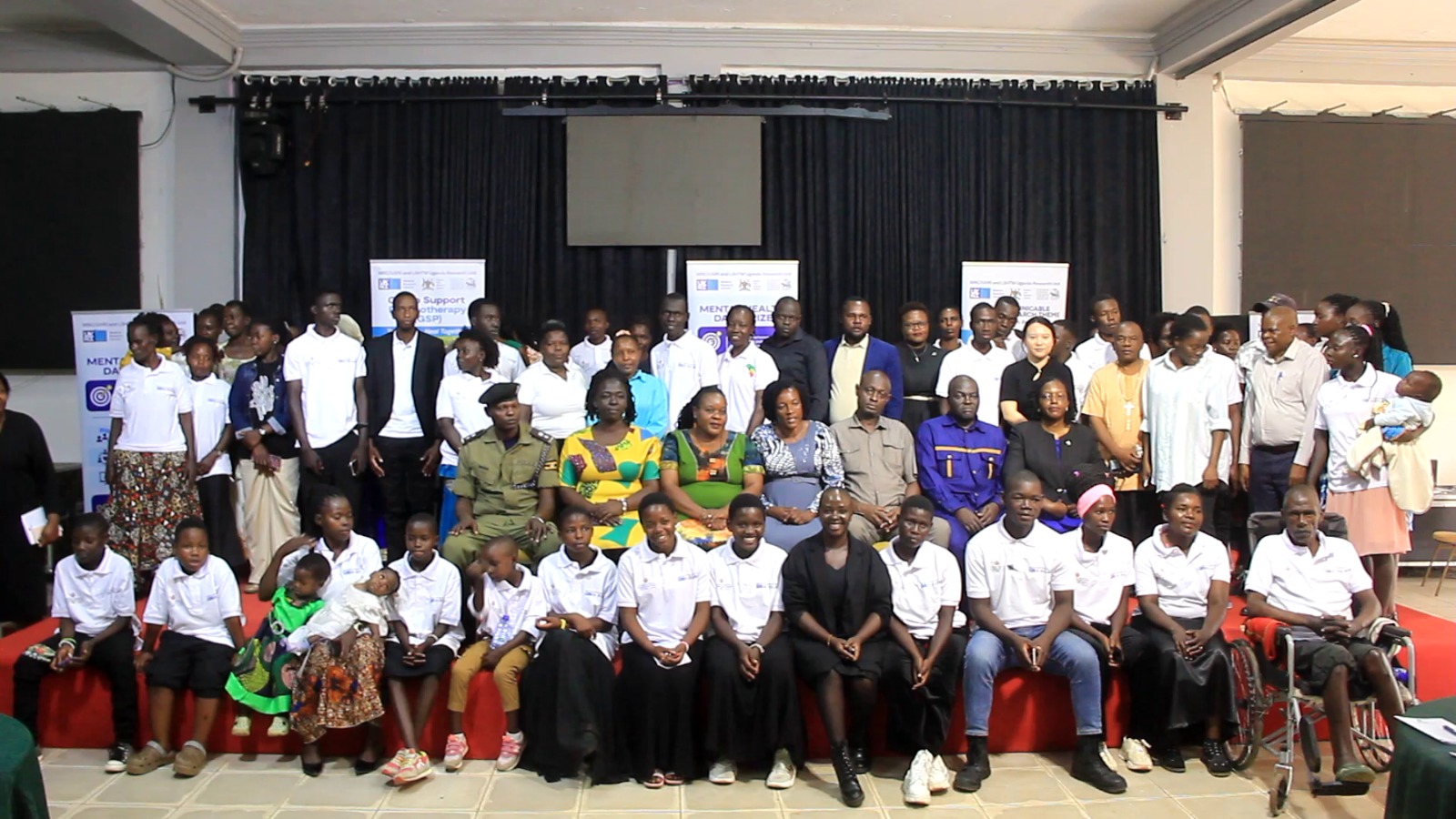
Speaking during the Group Support Psychotherapy (GSP) dissemination workshop in Hoima recently, Dr Nakimuli said findings from their engagements indicate that at least one in four people in communities across Uganda are living with depression, a situation she described as alarming and requiring urgent intervention.
She attributed the increasing cases of depression to factors such as HIV-related stigma, lack of financial support, and social isolation within communities.
Dr Nakimuli urged members of the public to adopt healthy coping mechanisms to fight depression, including seeking support from others, maintaining a positive mindset, building self-esteem, forming meaningful social connections, and strengthening emotional wellbeing.
Meanwhile, Barbra Kemigisa, founder of the Barbra Kemigisa Foundation, said many young people suffering from depression resort to unhealthy behaviours such as alcoholism and drug abuse in attempts to cope with their mental health challenges.
Kemigisa noted that stigma within communities remains one of the major drivers of depression among young people.
She explained that it is against this background that the organisation introduced the Group Support Psychotherapy (GSP) programme aimed at helping affected individuals overcome depression through counselling, peer support, and practical empowerment initiatives.
According to her, the programme promotes the formation of strong peer support networks and hands-on skills development to help beneficiaries live productive and depression-free lives.
A peer influencer under the programme, Jaram Talemwa, testified that the GSP initiative had helped him identify solutions to personal challenges, including depression.
He encouraged fellow youths to join the programme, saying teamwork and peer support are critical in overcoming mental health struggles and achieving better development outcomes.
Speaking at the same event, Robert Rukahemura called upon organisations implementing mental health programmes to involve cultural institutions and other stakeholders in addressing depression within communities.
The President of Rotary Club Kitara, Catherine Murungi, also stressed the need for workplaces and institutions to support Group Support Psychotherapy initiatives as part of efforts to improve mental health and wellbeing in society.