Schools okayed to reopen on Monday as government tightens Ebola safety measures
According to the newly issued Standard Operating Procedures (SOPs), all schools are required to establish strict infection prevention systems, including handwashing facilities, temperature screening points and isolation areas for suspected cases.
The Ministry of Education and Sports has confirmed that schools across Uganda will officially reopen for the second term on Monday, May 25, 2026, despite heightened vigilance following the recent Ebola outbreak in parts of the region.
In a statement issued ahead of reopening, the ministry urged all school administrators to strictly implement Ebola prevention measures issued by the Ministry of Health to protect learners, teachers and support staff.
“As we prepare for reopening, all school heads are urged to remain vigilant and strictly adhere to the Ebola prevention Standard Operating Procedures issued by Ministry of Health,” the ministry said.
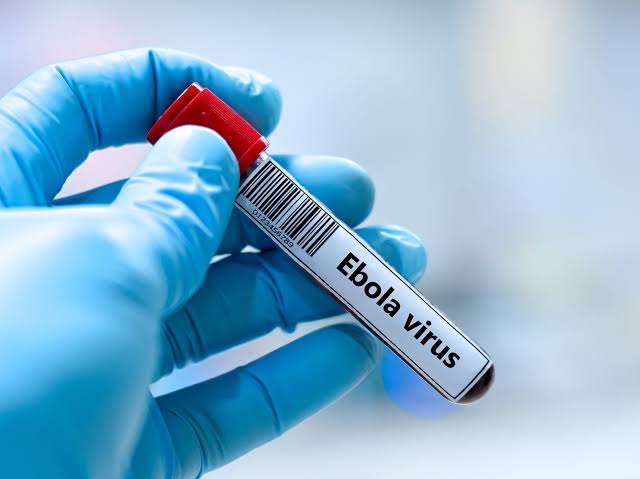
The reopening comes at a time when Uganda remains on alert following confirmed Ebola cases linked to neighbouring Democratic Republic of Congo. Health authorities, however, maintain that the situation is under control and that schools can continue operating safely if preventive measures are followed.
According to the newly issued Standard Operating Procedures (SOPs), all schools are required to establish strict infection prevention systems, including handwashing facilities, temperature screening points and isolation areas for suspected cases.
The guidelines apply to all learning institutions including nursery schools, primary and secondary schools, universities, boarding schools and vocational institutions.
Under the SOPs, schools must ensure the availability of clean running water and soap at entrances, classrooms, dormitories, dining halls and toilets. Mandatory handwashing for learners, staff and visitors has also been emphasized.
The Ministry of Health further directed schools to regularly disinfect frequently touched surfaces such as desks, dormitories, school vehicles and bathrooms, while discouraging handshakes, hugging and sharing of personal items among students.
School administrators have also been instructed to set up designated isolation spaces for any learner or staff member who develops symptoms associated with Ebola before they are referred to health authorities for further management.
Teachers and non-teaching staff are expected to closely monitor learners for signs of illness and immediately report suspected cases to school management and health officials. Parents have equally been advised to keep sick children at home and seek medical attention promptly if symptoms appear.
Health officials say Ebola spreads through direct contact with infected bodily fluids or contaminated surfaces, making schools potentially vulnerable environments because of close interaction among learners and staff.
The government insists that schools will remain open as long as institutions comply with the guidelines and maintain close coordination with district health surveillance teams.
Education authorities say the SOPs are intended to support a safe learning environment while minimizing the risk of Ebola transmission during the ongoing outbreak response.