Beyond the Oaths: What Museveni expects from Uganda’s new cabinet and the challenges the new ministers must overcome
Ultimately, success will not be measured by the number of meetings held or policies announced, but by the extent to which the lives of ordinary Ugandans improve.

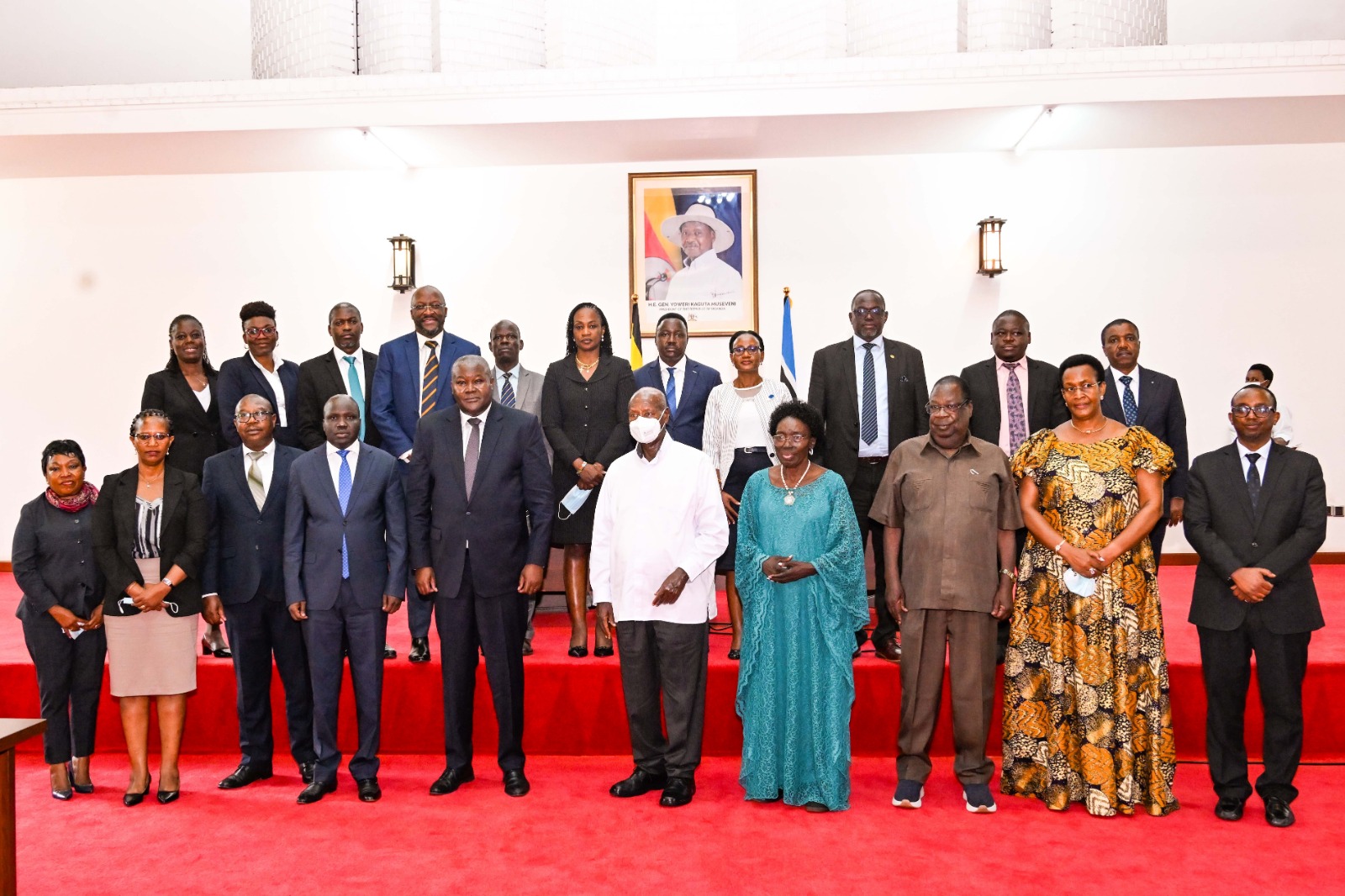
When Uganda’s newly appointed Cabinet ministers and Ministers of State took their oaths at State House Entebbe on Monday, 10th June 2026. The ceremony was marked by pomp, protocol and constitutional symbolism. Yet beyond the formalities lies a far greater task: delivering results for Ugandans.
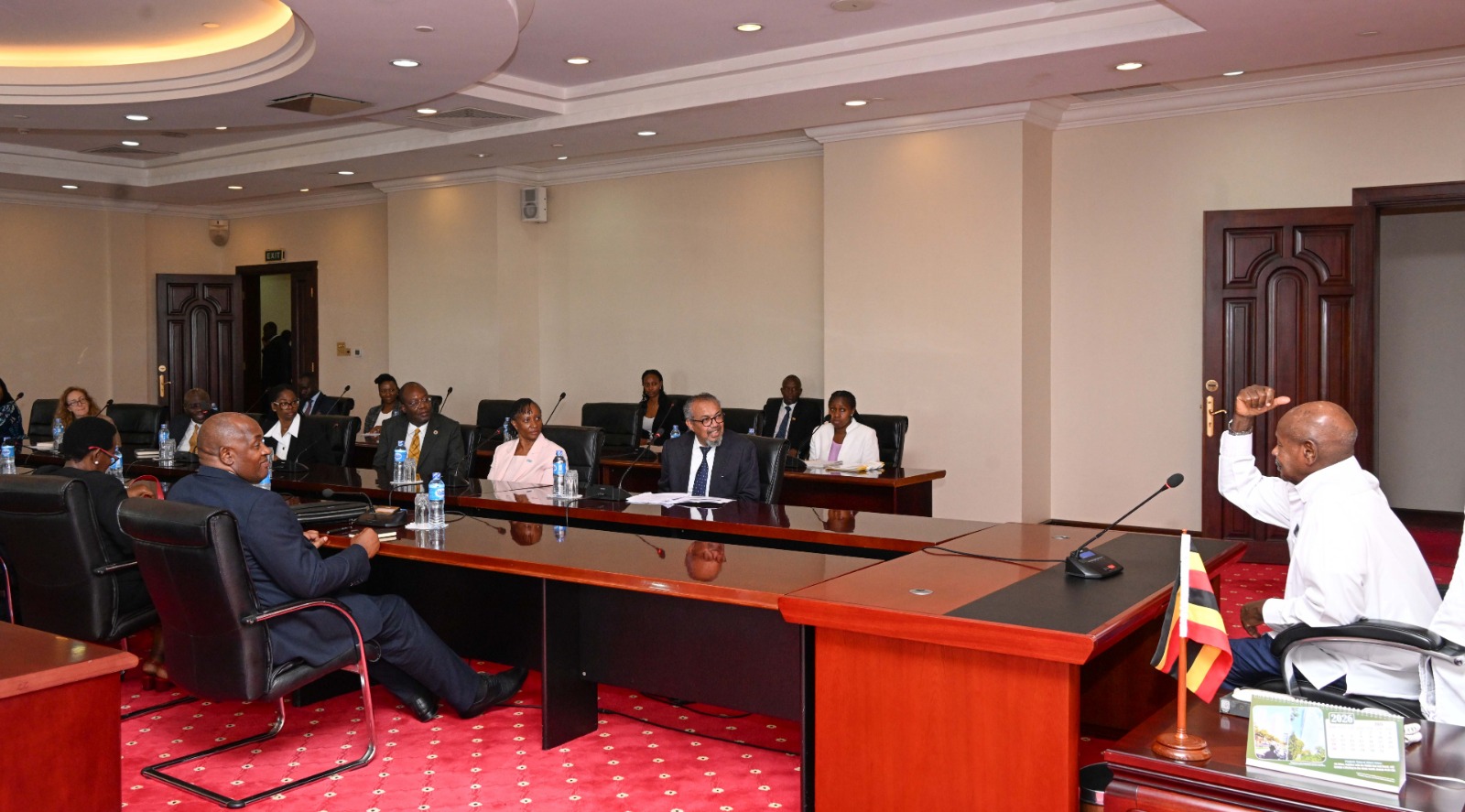
Although President Yoweri Kaguta Museveni’s remarks during the swearing-in ceremony were brief, simply congratulating the ministers and wishing them success, the broader message emerging from the composition of the Cabinet, the oaths taken, and guidance from senior government officials points to what the President expects from his new team.
At the heart of those expectations is one central objective: implementation.
A Cabinet Meant to Deliver
The swearing-in of 78 members of the Executive signals the beginning of a new phase in government administration as Uganda enters a crucial period marked by economic transformation, industrialization, infrastructure development, job creation and improved service delivery.
For President Museveni, Cabinet is not merely a collection of political appointees. It is the machinery through which government policies are translated into action.
The President has repeatedly argued that Uganda’s challenge is often not a lack of good policies but weaknesses in implementation. The new Cabinet therefore inherits the responsibility of ensuring that government programs reach citizens and achieve their intended impact.
Whether in agriculture, health, education, infrastructure or trade, ministers will be judged by measurable outcomes rather than announcements.
Protecting Public Resources
The oaths administered to ministers require them to faithfully serve Uganda, uphold the Constitution and advise the President honestly while maintaining confidentiality on matters of state.
However, beyond the legal obligations, the President has consistently emphasized accountability in the management of public resources.
Government is currently investing heavily in wealth creation programs, infrastructure projects, industrial parks, oil and gas development, and social services. The expectation is that ministers will provide effective oversight of these investments and ensure that taxpayers receive value for money.
This places particular responsibility on ministries handling finance, public service, local government, works and transport, energy, agriculture and trade.
Accelerating Economic Growth
A closer look at the Cabinet lineup reveals the sectors likely to receive significant attention.
The ministries of Finance, Trade, Agriculture, Energy and Works occupy strategic positions in Uganda’s economic transformation agenda.
The President has repeatedly argued that Uganda’s future prosperity depends on increasing production, adding value to raw materials, expanding exports and creating employment opportunities for young people.
The new Cabinet is therefore expected to remove bottlenecks that hinder business growth, attract investment and strengthen Uganda’s competitiveness both regionally and internationally.
The inclusion of new leaders in key economic sectors suggests a renewed focus on ensuring that government interventions translate into jobs, incomes and industrial growth.
Strengthening Service Delivery
For ordinary Ugandans, Cabinet performance is often measured through the quality of public services.
Parents want better schools. Patients want functional health facilities. Farmers need reliable extension services and market access. Communities require roads, electricity and clean water.
The presence of a large number of Ministers of State responsible for specific sectors reflects the government’s intention to strengthen supervision and implementation across different areas.
President Museveni is likely to expect ministers to spend more time in the field monitoring projects and less time confined to offices in Kampala.
The ultimate test will be whether citizens experience visible improvements in their daily lives.
Supporting Regional Integration
The retention and appointment of leaders responsible for East African Community Affairs comes at a time when regional integration is gaining renewed momentum.
As Chairperson of the East African Community, President Museveni has consistently championed the removal of trade barriers, improved transport networks and eventual monetary union.
The new Cabinet is expected to support these efforts by harmonizing policies with regional partners and promoting cross-border trade and investment.
A more integrated East Africa aligns with the President’s long-standing vision of larger markets driving economic growth and prosperity.
Preparing Uganda for the Future
Another notable feature of the Cabinet is the continued emphasis on science, technology and innovation.
Government sees innovation as a critical driver of economic transformation and competitiveness. Ministers responsible for science, ICT, education and industrial development will therefore play a key role in positioning Uganda for the digital economy.
At the same time, sectors such as energy, mineral development and oil and gas will be central to preparations for anticipated economic opportunities arising from major investments.
The expectation is not only to manage today’s challenges but also to prepare Uganda for future growth.
Teamwork and Collective Responsibility
One of the strongest messages delivered during the ceremony came from the Head of Public Service and Secretary to Cabinet, Lucy Nakyobe Mbonye.
She reminded ministers that their duty extends beyond individual ministries and requires teamwork, collective responsibility and constructive engagement with the public service.
This aligns with the President’s long-held preference for coordinated government action rather than isolated ministerial initiatives.
The upcoming induction at the National Leadership Institute, Kyankwanzi, is expected to equip ministers with a deeper understanding of Cabinet procedures, government systems and policy implementation mechanisms.
The Measure of Success
For the new Cabinet, the excitement of appointment and swearing-in will soon give way to the realities of governance.
The President’s public remarks may have been brief, but the expectations are clear: loyalty to the Constitution, prudent management of public resources, accelerated economic growth, improved service delivery, stronger regional integration and effective implementation of government programs.
Ultimately, success will not be measured by the number of meetings held or policies announced, but by the extent to which the lives of ordinary Ugandans improve.
That is the challenge President Museveni has placed before his new Cabinet, and the standard by which it is likely to be judged.