Museveni pushes for faster integration but what can the East African Community offer its people?
If the EAC succeeds in delivering these outcomes, regional integration may become more than a political aspiration, it could become one of the most powerful drivers of prosperity for East Africans in the decades ahead.
From cheaper trade and jobs to a common currency, leaders believe deeper integration could transform the lives of more than 300 million East Africans
For millions of people across East Africa, the East African Community (EAC) often feels like a distant institution discussed in summit meetings and diplomatic gatherings. Yet if regional leaders achieve their ambitions, the EAC could profoundly shape how East Africans travel, trade, work, invest and access essential services.
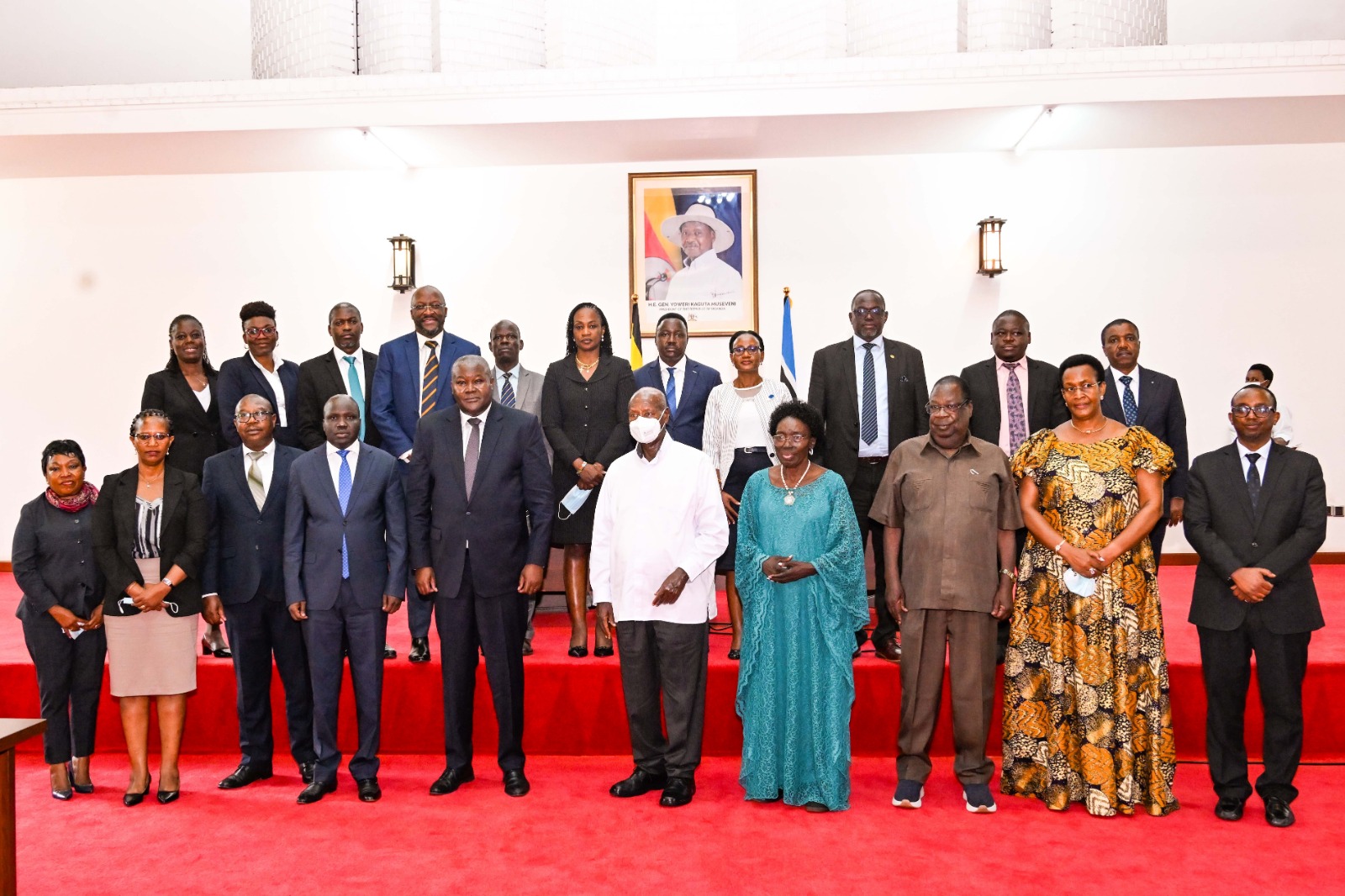
This vision took center stage during a meeting at State Lodge Nakasero between President Yoweri Museveni, the current chairperson of the EAC, and the bloc’s Secretary-General, Stephen Patrick Mbundi. Their discussions highlighted a simple but ambitious goal: making regional integration work for ordinary citizens.
A Bigger Market for Businesses and Workers
One of the greatest promises of the EAC is the creation of a single market where goods, services, capital and labour can move more freely across borders.
For traders, this means easier access to customers in neighboring countries. A farmer in Uganda, a manufacturer in Kenya, or a technology entrepreneur in Rwanda could potentially sell products to a regional market of more than 300 million people instead of being limited to their domestic market.
President Museveni emphasized that member states should avoid actions that distort regional trade and instead strengthen cooperation to expand economic opportunities.
Supporters of integration argue that a larger market attracts investment, encourages industrial growth and creates employment opportunities for young people, who form the majority of East Africa’s population.
Cheaper Transport, Lower Business Costs
Another major benefit could come from improved regional infrastructure.
President Museveni strongly advocated for integrated transport systems, especially the expansion and modernization of railway networks across East Africa. He argued that heavy cargo and petroleum products should be transported by rail, reducing pressure on roads and lowering transport costs.
Efficient transport systems could significantly reduce the cost of moving goods between countries, making products cheaper for consumers and increasing the competitiveness of East African businesses.
For traders transporting goods from the ports of Mombasa and Dar es Salaam to inland markets, improved rail and road connections could mean faster deliveries, reduced fuel costs and fewer logistical challenges.
A Common Currency: Ending Exchange Rate Headaches
Perhaps the most ambitious proposal under discussion is the establishment of an East African Monetary Union and eventually a common currency.
According to EAC Secretary-General Stephen Patrick Mbundi, fluctuating exchange rates continue to hurt businesses and ordinary citizens conducting cross-border transactions.
Currently, traders must constantly deal with different currencies, changing exchange rates and conversion costs when conducting business across the region.
A common currency could simplify trade, lower transaction costs and provide greater price stability. It would also make it easier for travelers, investors and businesses operating in multiple countries.
“Citizens are really suffering because of fluctuations in currency. It is a big hindrance to business,” Mbundi told the meeting.
While the proposal remains under discussion, regional leaders believe it could become one of the most transformative achievements in the EAC’s history.
Strengthening Food Security
Beyond trade and infrastructure, the EAC is increasingly focusing on food security and climate resilience.
The region faces growing challenges from climate change, including prolonged droughts, floods and unpredictable weather patterns that affect agricultural production.
Mbundi said the EAC Secretariat plans to promote climate-smart agriculture, improve post-harvest management and strengthen water resource management, particularly within the Lake Victoria Basin.
If successfully implemented, these initiatives could help farmers increase productivity, reduce losses and improve household incomes while ensuring more stable food supplies across the region.
Expanding Access to Renewable Energy
Access to affordable and reliable energy remains one of East Africa’s biggest development challenges.
The EAC leadership is now prioritizing the expansion of renewable energy sources, including solar, wind and hydroelectric power.
Improved energy access could support industrial growth, improve service delivery and enhance the quality of life for millions of people, especially in rural communities that remain underserved by national electricity grids.
Better Regional Cooperation in Health and Security
Recent health emergencies, including Ebola outbreaks and the COVID-19 pandemic, have demonstrated the importance of regional cooperation.
A stronger EAC can improve disease surveillance, information sharing and coordinated responses to health threats that do not respect national borders.
Similarly, collaboration on security matters can help member states tackle transnational challenges such as terrorism, smuggling and cross-border crime.
Benefits Far Outweigh the Obstacles
Despite significant progress, challenges remain. Differences in national policies, infrastructure gaps, funding constraints and slow implementation of agreed programmes continue to hinder deeper integration.
However, leaders such as President Museveni believe the benefits far outweigh the obstacles.
As East Africa moves toward greater integration, the ultimate test will be whether ordinary citizens experience tangible improvements in their daily lives through lower business costs, more jobs, improved transport systems, better food security, reliable energy and easier movement across borders.
If the EAC succeeds in delivering these outcomes, regional integration may become more than a political aspiration, it could become one of the most powerful drivers of prosperity for East Africans in the decades ahead.