Health sector gets Shs5.23 trillion in 2026/27 financial year as government expands specialised care
Finance Minister Henry Musasizi said government remains committed to strengthening Uganda's healthcare system through increased domestic financing and modernisation of health infrastructure.
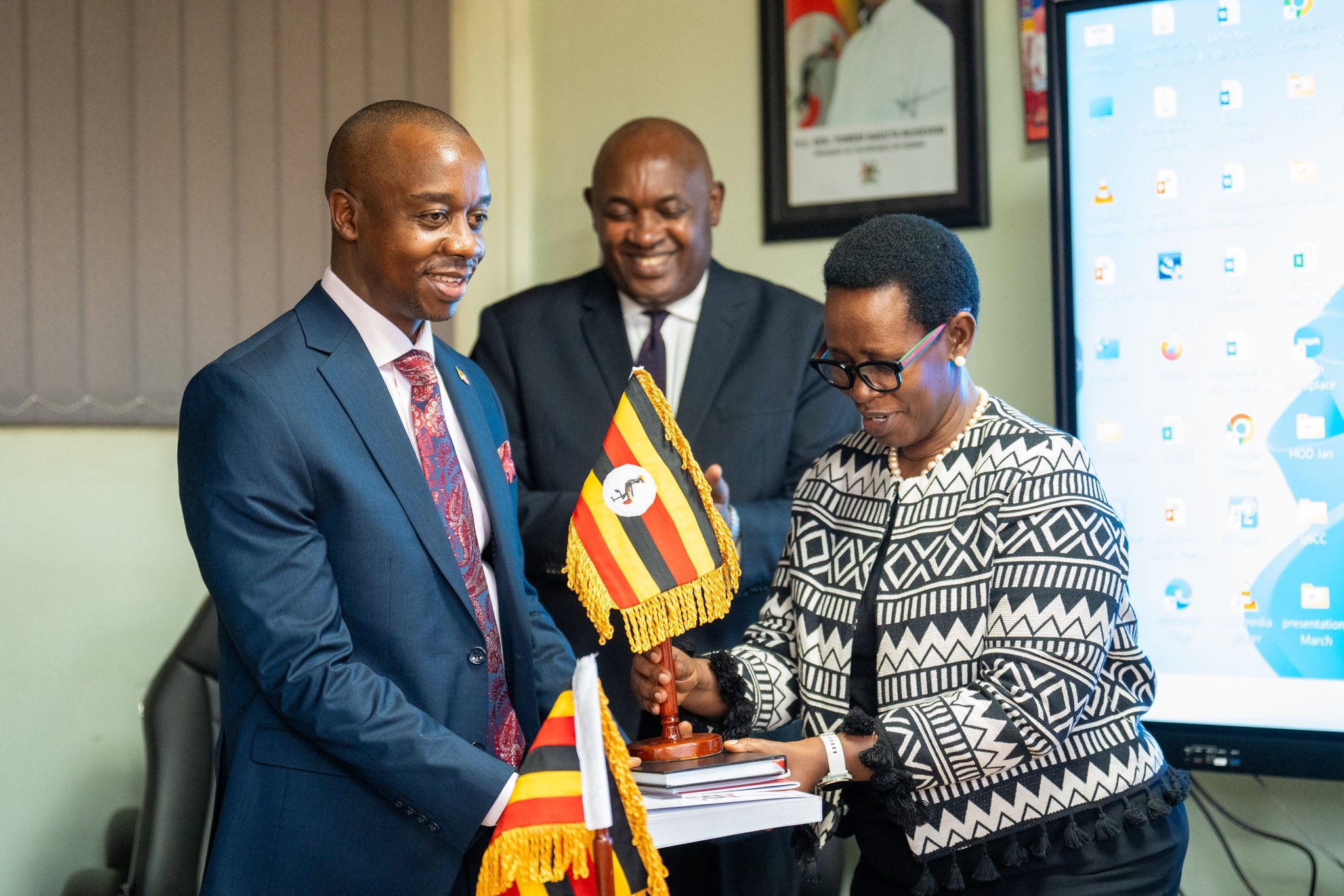
Government has allocated Shs 5.23 trillion to the health sector in the 2026/27 financial year, with funding targeted at improving access to essential medicines, specialised treatment and emergency healthcare services.
Finance Minister Henry Musasizi said government remains committed to strengthening Uganda’s healthcare system through increased domestic financing and modernisation of health infrastructure.
The minister revealed that funding to the National Medical Stores was increased by Shs 145.33 billion to Shs 862.93 billion during the current financial year.
“Government will continue to increase domestic financing for essential health commodities with the aim of substantially reducing reliance on donor support,” Musasizi said.
The funding is expected to guarantee uninterrupted access to antiretroviral drugs, anti-malaria medicines, vaccines, laboratory commodities and tuberculosis treatment.
Government also made major investments in healthcare infrastructure and equipment.
During the year, 17 regional referral hospitals and 25 general hospitals were equipped with Neonatal Intensive Care Units, while 14 regional referral hospitals received CT scan machines.
Construction and upgrading of 31 health facilities across Karamoja is ongoing, while medical waste management systems have been strengthened through installation of high-capacity incinerators in Fort Portal, Gulu, Mbarara, Kampala and Lira.
The country also registered notable achievements in disease prevention.
According to Musasizi, immunisation coverage among children under one year reached 94 percent, while first-dose measles-rubella vaccination coverage rose to 93 percent.
Government also implemented nationwide campaigns against malaria, HIV/AIDS, Ebola, cholera and yellow fever.
Specialised healthcare services recorded some of the most significant milestones.
The Uganda Heart Institute carried out 634 cardiac interventions, including open-heart surgeries and catheterisation procedures.
In April 2026, the Uganda Cancer Institute successfully conducted Uganda’s first bone marrow transplant.
“This marks a major milestone in the country’s healthcare capabilities,” Musasizi said.
Construction of the 250-bed Cardiac Hospital in Naguru is now 44 percent complete, while the International Specialised Hospital of Uganda in Lubowa has reached 75 percent completion.
Government is also expanding cancer treatment infrastructure.
The Nuclear Medicine Centre for cancer treatment is nearing completion while regional cancer centres are under construction in Mbarara, Arua and Mbale.
The Gulu Cancer Centre is already operational.
For FY 2026/27, government will focus on maternal and child health, nutrition improvement, immunisation, treatment of non-communicable diseases, provision of essential medicines and strengthening specialised healthcare services.
Musasizi said the ultimate goal remains improving the quality of healthcare services while exploring pathways toward Universal Health Coverage.