Uganda among five countries targeted by Israel’s new travel restrictions
The restrictions affect travellers from Uganda, Kenya, Rwanda, South Sudan and the Democratic Republic of the Congo.
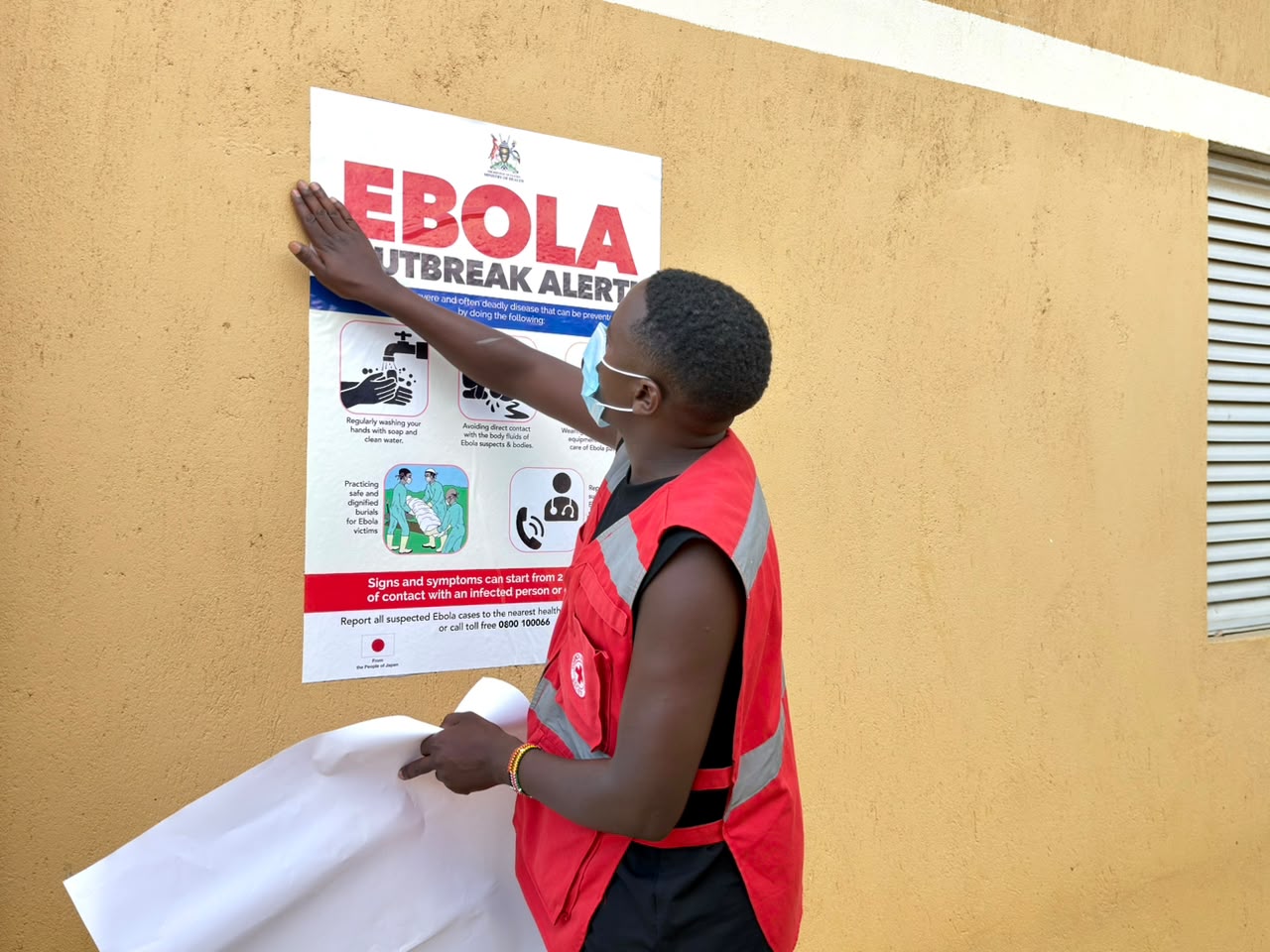
Ugandan citizens and residents have been barred from travelling to Israel following new restrictions imposed by Israeli authorities in response to the ongoing Ebola outbreak in parts of East and Central Africa.
In a directive issued on June 10, 2026, Israel’s Population and Immigration Authority instructed all airlines operating flights to Israel not to allow foreign nationals from Uganda and four other countries to board flights destined for the country.
The restrictions affect travellers from Uganda, Kenya, Rwanda, South Sudan and the Democratic Republic of the Congo.
According to the notice signed by Amnon Shmueli, Head of Border Control at Ben Gurion International Airport, airlines are required to deny boarding to any foreign citizen or resident of the listed countries.
The directive further extends to foreign nationals of any nationality who have visited or stayed in any of the affected countries within 21 days before their intended travel to Israel.
“Boarding on flights to Israel must be denied to any foreign national who has stayed in or visited any of the countries listed above during the 21 days prior to the flight date, regardless of their citizenship or country of residence,” the directive states.
Airlines have been instructed to question passengers before departure and verify their recent travel history to ensure compliance with the restrictions.
The measures, however, do not apply to Israeli citizens or permanent residents, who will continue to be permitted entry into the country.
The decision comes as Uganda intensifies efforts to contain Ebola outbreaks that have periodically emerged in different parts of the country. Health authorities have been implementing surveillance, contact tracing, public awareness campaigns and border screening measures aimed at preventing further spread of the disease.
The Israeli restrictions are likely to affect Ugandans travelling for business, tourism, education, religious activities and official engagements. Travel industry players say the move could also disrupt regional travel arrangements, especially for passengers using connecting flights through major international hubs.
Israel’s action reflects growing concern among countries seeking to prevent cross-border transmission of Ebola through international travel. Similar restrictions and enhanced screening measures have been adopted by several countries during previous Ebola outbreaks in Africa.
While the duration of the restrictions has not been specified, Israeli authorities indicated that the measures took effect immediately upon issuance of the notice and will remain in force until further directives are issued.
The latest development adds to mounting travel challenges facing Ugandans as countries review public health safeguards amid fears of the spread of Ebola beyond affected regions.