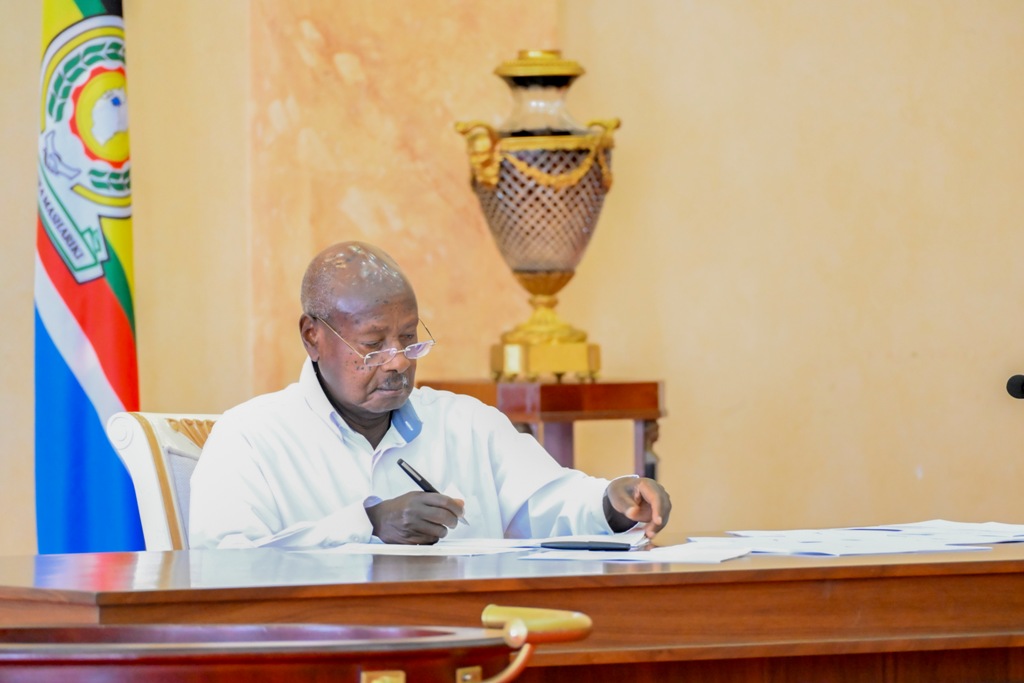
Uganda, Tanzania renew push for regional infrastructure as Museveni pledges Masaka–Mutukula road
Uganda and Tanzania have increasingly positioned infrastructure as the foundation of their bilateral partnership, collaborating on transport, energy and trade projects designed to unlock economic growth.
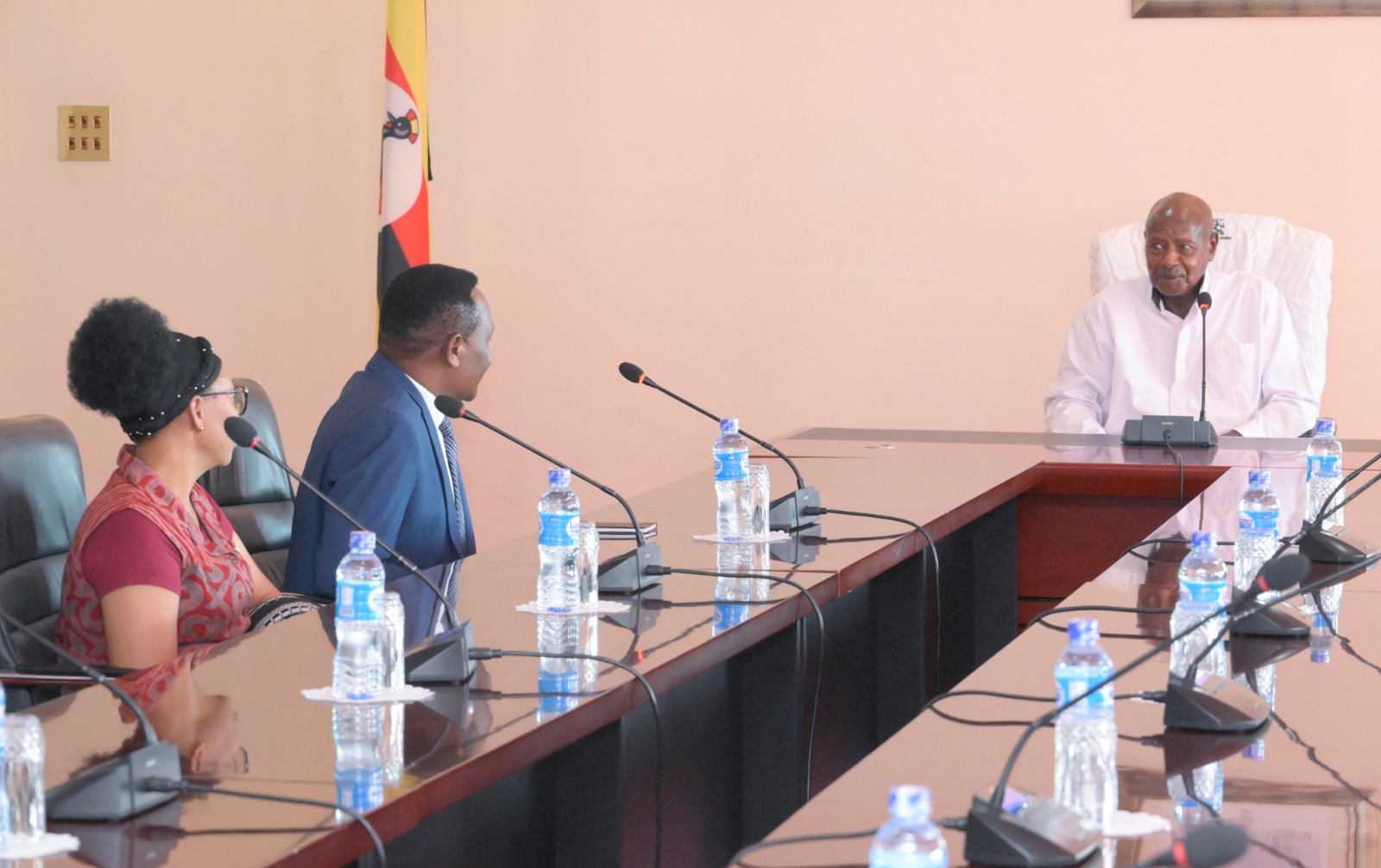
Regional infrastructure took centre stage as Uganda and Tanzania reaffirmed their commitment to accelerating East African integration, with President Yoweri Kaguta Museveni pledging to fast-track construction of the long-awaited Masaka–Mutukula Road during a farewell meeting with Tanzania’s outgoing High Commissioner to Uganda, Maj. Gen. Paul Kisesa Simuli.
The pledge, made at State House Entebbe, signals renewed momentum for one of the region’s strategic transport corridors that connects Uganda to Tanzania and the wider East African market. The road is expected to significantly improve cross-border trade, reduce transport costs and strengthen economic ties between the two neighbouring countries.
President Museveni praised Maj. Gen. Kisesa for strengthening the historic relationship between Uganda and Tanzania during his two-and-a-half-year diplomatic tour of duty, describing the partnership as one built on decades of shared history, mutual trust and regional cooperation.
“Our countries have always enjoyed brotherly relations, and we shall continue working together to deepen economic cooperation through infrastructure that promotes trade and connectivity,” President Museveni said.
The Masaka–Mutukula Road is considered one of the most critical regional transport links in the Northern Corridor, serving as a gateway for trade between Uganda, Tanzania and the rest of the East African Community (EAC). Upgrading the highway is expected to facilitate the movement of goods, lower logistics costs for businesses and improve access to regional markets.
The President’s commitment comes at a time when East African countries are prioritising cross-border infrastructure to support the implementation of the African Continental Free Trade Area (AfCFTA) and strengthen regional value chains.
For Tanzania, improved road connectivity complements other major bilateral infrastructure investments, particularly the East African Crude Oil Pipeline (EACOP), which will transport Uganda’s crude oil from Hoima to the Tanzanian port of Tanga. Together, the projects are expected to transform trade, energy and industrial development across the region.
During the meeting, Maj. Gen. Kisesa congratulated President Museveni on earning another mandate to lead Uganda and commended the country’s rapid socio-economic transformation.
He said Uganda’s infrastructure development has been remarkable, particularly the expansion and improvement of the national road network.
“For someone who has taken a long time to visit Uganda, one can be amazed. The development is very fast, and Uganda will be different with the current speed of development,” he observed.
The ambassador recalled first visiting Uganda in 2022 during a study tour at the Senior Command and Staff College in Kimaka before returning as Tanzania’s High Commissioner in 2024.
“I found a totally different country. Congratulations, Your Excellency, upon this development,” he said, pointing to the country’s improved road infrastructure as one of the most visible indicators of progress.
Beyond roads, Maj. Gen. Kisesa described Uganda’s petroleum discoveries as a strategic regional asset capable of driving economic transformation beyond national borders.
He said the oil and gas industry would strengthen East Africa’s energy security, attract investment and create new opportunities for industrialisation through regional cooperation.
Uganda and Tanzania have increasingly positioned infrastructure as the foundation of their bilateral partnership, collaborating on transport, energy and trade projects designed to unlock economic growth.
Analysts note that investments in strategic transport corridors such as the Masaka–Mutukula Road, alongside projects like EACOP, are critical to achieving seamless regional connectivity and enhancing the competitiveness of East African economies.
As Maj. Gen. Kisesa concludes his diplomatic assignment in Uganda, both governments have reaffirmed their commitment to ensuring that infrastructure remains at the heart of efforts to build a more integrated, connected and prosperous EasUganda, Tanzania renew push for regional infrastructure as Museveni pledges Masaka–Mutukula road
Regional infrastructure took centre stage as Uganda and Tanzania reaffirmed their commitment to accelerating East African integration, with President Yoweri Kaguta Museveni pledging to fast-track construction of the long-awaited Masaka–Mutukula Road during a farewell meeting with Tanzania’s outgoing High Commissioner to Uganda, Maj. Gen. Paul Kisesa Simuli.
The pledge, made at State House Entebbe, signals renewed momentum for one of the region’s strategic transport corridors that connects Uganda to Tanzania and the wider East African market. The road is expected to significantly improve cross-border trade, reduce transport costs and strengthen economic ties between the two neighbouring countries.
President Museveni praised Maj. Gen. Kisesa for strengthening the historic relationship between Uganda and Tanzania during his two-and-a-half-year diplomatic tour of duty, describing the partnership as one built on decades of shared history, mutual trust and regional cooperation.
“Our countries have always enjoyed brotherly relations, and we shall continue working together to deepen economic cooperation through infrastructure that promotes trade and connectivity,” President Museveni said.
The Masaka–Mutukula Road is considered one of the most critical regional transport links in the Northern Corridor, serving as a gateway for trade between Uganda, Tanzania and the rest of the East African Community (EAC). Upgrading the highway is expected to facilitate the movement of goods, lower logistics costs for businesses and improve access to regional markets.
The President’s commitment comes at a time when East African countries are prioritising cross-border infrastructure to support the implementation of the African Continental Free Trade Area (AfCFTA) and strengthen regional value chains.
For Tanzania, improved road connectivity complements other major bilateral infrastructure investments, particularly the East African Crude Oil Pipeline (EACOP), which will transport Uganda’s crude oil from Hoima to the Tanzanian port of Tanga. Together, the projects are expected to transform trade, energy and industrial development across the region.
During the meeting, Maj. Gen. Kisesa congratulated President Museveni on earning another mandate to lead Uganda and commended the country’s rapid socio-economic transformation.
He said Uganda’s infrastructure development has been remarkable, particularly the expansion and improvement of the national road network.
“For someone who has taken a long time to visit Uganda, one can be amazed. The development is very fast, and Uganda will be different with the current speed of development,” he observed.
The ambassador recalled first visiting Uganda in 2022 during a study tour at the Senior Command and Staff College in Kimaka before returning as Tanzania’s High Commissioner in 2024.
“I found a totally different country. Congratulations, Your Excellency, upon this development,” he said, pointing to the country’s improved road infrastructure as one of the most visible indicators of progress.
Beyond roads, Maj. Gen. Kisesa described Uganda’s petroleum discoveries as a strategic regional asset capable of driving economic transformation beyond national borders.
He said the oil and gas industry would strengthen East Africa’s energy security, attract investment and create new opportunities for industrialisation through regional cooperation.
Uganda and Tanzania have increasingly positioned infrastructure as the foundation of their bilateral partnership, collaborating on transport, energy and trade projects designed to unlock economic growth.
Analysts note that investments in strategic transport corridors such as the Masaka–Mutukula Road, alongside projects like EACOP, are critical to achieving seamless regional connectivity and enhancing the competitiveness of East African economies.
As Maj. Gen. Kisesa concludes his diplomatic assignment in Uganda, both governments have reaffirmed their commitment to ensuring that infrastructure remains at the heart of efforts to build a more integrated, connected and prosperous East African region.t African region.