MoLG signs contracts to rehabilitate 139km of community access roads in northern Uganda
Government says the initiative is aimed at increasing agricultural incomes, strengthening food security and accelerating local economic development by improving rural transport infrastructure.
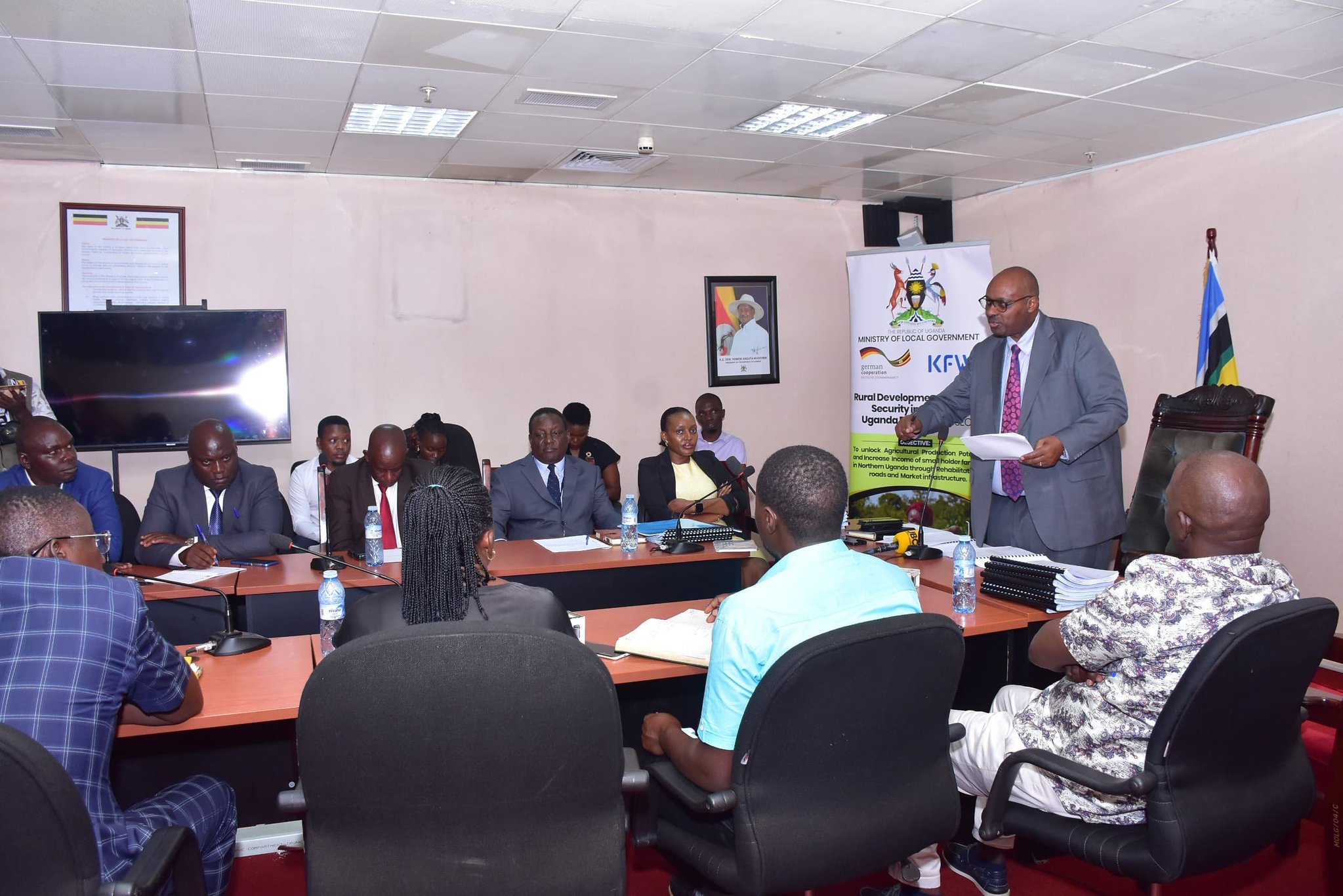
The Ministry of Local Government (MoLG) has signed contracts for the rehabilitation of 139 kilometres of district and community access roads across nine districts in Northern and Eastern Uganda under the Rural Development for Food Security in Northern Uganda (RUDSEC) Project.
Construction is expected to commence next week following the official handover of project sites to contractors.
The road rehabilitation project will cover Lamwo, Agago, Pader, Dokolo, Lira, Oyam, Serere, Soroti and Kaberamaido districts. Government says the improved road network will enhance connectivity, making it easier for communities to access markets, health facilities, schools and other essential services while boosting agricultural production and trade.
Speaking during the contract signing ceremony, Ministry of Local Government Permanent Secretary Ben Kumumanya said reliable road infrastructure is essential for Uganda’s socio-economic transformation.
“Agri-industrialisation is central to Uganda’s journey towards middle-income status. That transformation begins with motorability and accessibility through roads, which facilitate trade, service delivery and other development activities,” Kumumanya said.
According to the ministry, the project will rehabilitate key road links spanning 139 kilometres and create employment opportunities for local communities during the construction phase. The improved roads are also expected to lower transport costs and improve market access for thousands of farmers.
The RUDSEC Project is being implemented by the Ministry of Local Government with funding from the Government of Uganda and the German Government through KfW Development Bank.
Government says the initiative is aimed at increasing agricultural incomes, strengthening food security and accelerating local economic development by improving rural transport infrastructure.
The road works form part of broader government efforts to improve rural connectivity and support agricultural value chains in regions where poor road conditions have long constrained economic growth and access to essential services.