Buyende MP raises concern over poor electricity access as government promises intervention
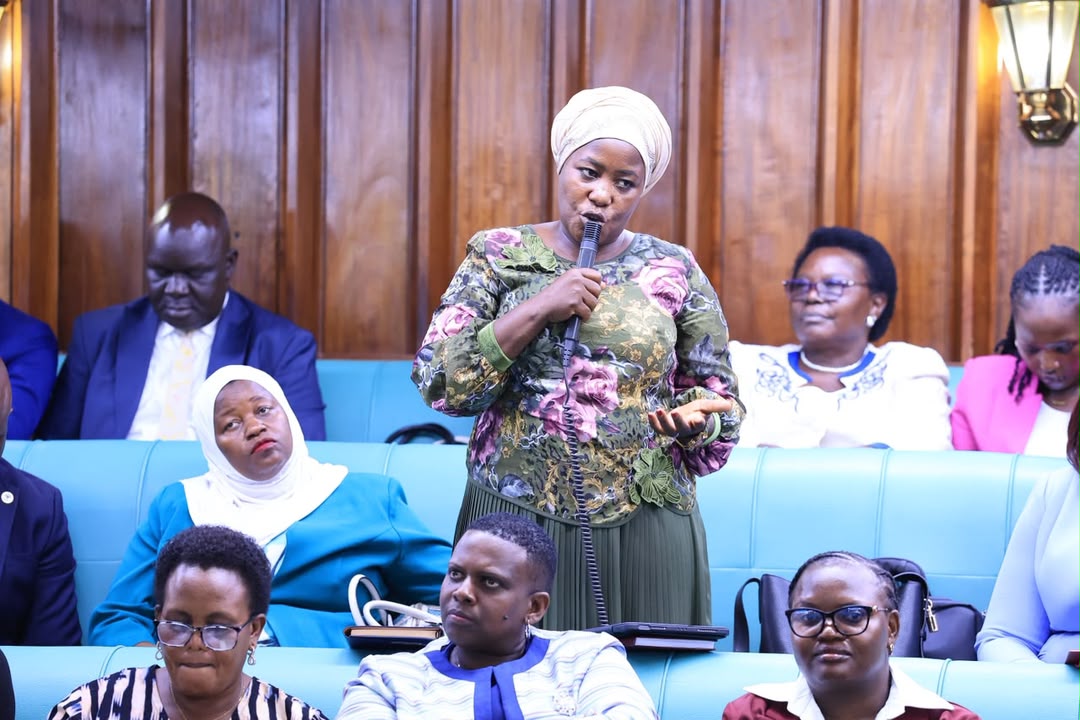
Buyende District Woman Member of Parliament Sarah Namulondo has raised concern over unreliable and limited access to electricity in the district, calling on government to prioritise the extension of power to underserved communities.
Speaking on the floor of Parliament, Namulondo said electricity has become a basic requirement for social and economic development and should no longer be treated as a luxury.
She said many communities in Buyende continue to struggle with limited or no access to reliable electricity, affecting households, businesses, schools, health facilities and other public institutions.
“Access to electricity is no longer a luxury but a basic requirement for social and economic development,” Namulondo said.
According to the legislator, inadequate electricity supply is limiting economic opportunities for communities while also affecting the delivery of essential social services.
She said reliable electricity would enable small businesses to operate more effectively, create employment opportunities for young people and improve the quality of education by providing better learning conditions in schools.
Health facilities would also benefit from dependable power, particularly in supporting essential services and the operation of medical equipment.
Namulondo urged government and relevant authorities to give the electricity challenge in Buyende urgent attention and prioritise underserved communities in future electrification programmes.
She said extending electricity to more communities would improve household welfare while creating an enabling environment for local economic development.
“As a representative of the people, I will continue using my voice in Parliament to highlight the challenges affecting our communities and advocate for practical solutions,” she said in an interview with the media.
“Our people deserve development, and access to reliable electricity must be part of that development.”
Government promises intervention
Responding to the concern, State Minister for Energy Sidronious Okaasai acknowledged that some of the electricity infrastructure and facilities raised by the MP are currently not funded.
Okaasai said government would prioritise the affected areas under the Electricity Access Scale-up Project (EASP), a World Bank-supported programme aimed at expanding access to electricity.
The Minister’s response offers a potential pathway for addressing some of Buyende’s longstanding electricity access challenges as Government implements its broader rural electrification agenda.
The EASP is expected to support the expansion of electricity infrastructure to underserved communities, helping connect households, businesses and public institutions that remain outside the existing power network.
For Buyende, increased investment in electricity infrastructure could provide a foundation for greater economic activity, improved public service delivery and expanded opportunities for communities, particularly young people and small businesses.
The exchange in Parliament highlights the continuing challenge of electricity access in rural Uganda and the need for targeted investment to ensure that communities outside major urban centres also benefit from the country’s energy development programmes.