
Economic Payoff: Uganda’s oil industry nears take-off, but who will reap the benefits?
With $12 billion in cumulative investment, 22,000 Ugandans employed directly and production targeted for 2026/2027, the challenge is turning the oil boom into lasting economic growth.
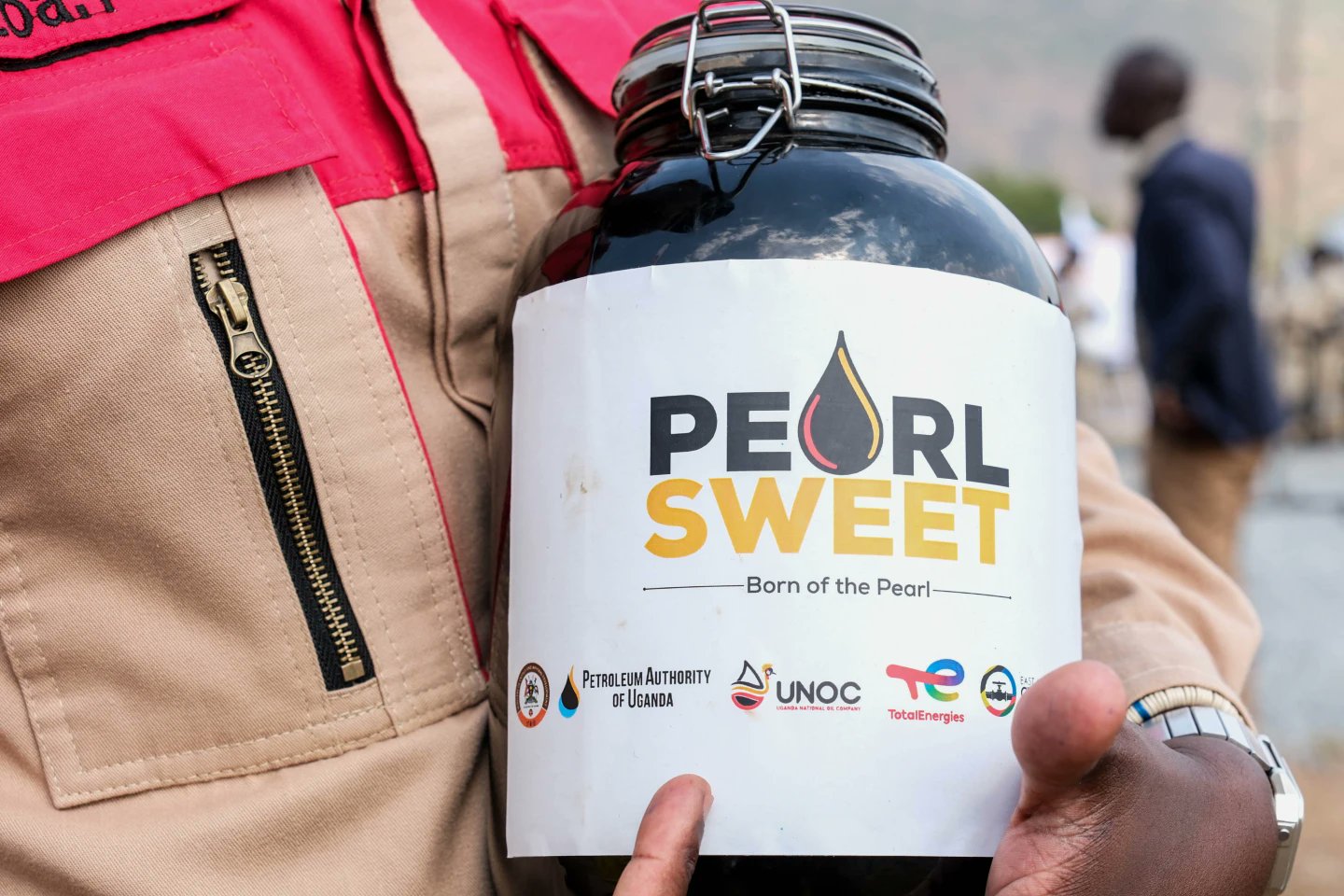
Uganda’s emerging oil and gas industry is approaching a defining moment as billions of dollars invested in petroleum infrastructure begin to shift the country’s focus from exploration and construction towards commercial production and its wider economic benefits.
Figures published by the Petroleum Authority of Uganda (PAU) to mark its 10th anniversary show that the sector has attracted approximately $12 billion in cumulative investment, while approved contracts worth $7.4 billion and awards worth $2.5 billion to Ugandan companies illustrate the scale of opportunities created for domestic businesses.
The figures underline the growing importance of petroleum to Uganda’s investment landscape. However, as the country targets first oil in 2026/2027, the central economic question is how effectively these investments will translate into jobs, business growth, government revenues and broader industrial development.
Billions invested, production within reach
Uganda’s petroleum development is anchored by the Tilenga and Kingfisher upstream projects, the East African Crude Oil Pipeline (EACOP) and plans for a domestic refinery.
According to PAU’s figures, the Tilenga project has a targeted peak production capacity of 190,000 barrels of oil per day, while Kingfisher is expected to produce 40,000 barrels per day. Together, the projects are designed to support production of up to 230,000 barrels daily.
Tilenga involves six oilfields, 29 wellpads and approximately 170 kilometres of feeder pipelines. PAU puts its overall progress at 74%.
Kingfisher, which comprises one oilfield, has an estimated production plateau of 40,000 barrels per day and is reported to be 79% complete.
Meanwhile, EACOP, a 1,443-kilometre pipeline connecting Uganda’s oilfields to the port of Tanga in Tanzania, is reported to be 90% complete.
The pipeline is a critical link between Uganda’s inland oilfields and international markets.
The planned refinery, with a proposed capacity of 60,000 barrels per day, is another component of the country’s ambitions to capture more value from its petroleum resources domestically.
Local businesses seek a bigger share
One of the sector’s most significant economic tests is whether Ugandan companies can secure sustainable business opportunities beyond the construction phase.
PAU reports that Ugandan firms have received contracts worth $2.5 billion, reflecting the government’s emphasis on national participation in the petroleum industry.
The sector has also created approximately 22,000 direct jobs for Ugandans and more than 200,000 indirect jobs, according to the authority’s figures. Ugandans occupy 61% of management positions and 85% of technical roles.
These figures point to opportunities in engineering, logistics, transport, construction, catering, professional services and other supply-chain activities.
However, sustaining these gains will depend on whether local firms can build the technical capacity, financial strength and competitiveness needed to serve the industry after the initial construction boom subsides.
Growth prospects and environmental obligations
PAU projects annual GDP growth of 8% over the next five years, with double-digit growth expected in financial year 2026/2027 once production begins.
The PAU also reports $3.4 billion in foreign direct investment inflows in 2024, describing oil as a major driver.
Such projections signal the potential economic importance of petroleum, but the eventual impact will depend on production performance, global oil prices, fiscal management and how public revenues are invested.
The sector also faces social and environmental obligations. PAU reports that 10,000 project-affected persons have been fully compensated for land acquisition, while 20,000 households have benefited from improved access to schools, healthcare and clean water through project-linked programmes.
It also reports the construction of 475 modern homes for project-affected persons.
These commitments will remain important as communities assess whether the industry delivers benefits alongside its physical footprint.
Beyond first oil
Uganda’s petroleum journey has advanced from discoveries to large-scale infrastructure development, with the next phase expected to test the sector’s contribution to national prosperity.
The challenge extends beyond achieving first oil. It includes strengthening local enterprises, developing skills, managing petroleum revenues responsibly and ensuring that investment supports productive sectors of the economy.
For Uganda, the true measure of the oil industry will ultimately be whether its multibillion-dollar investments create durable economic opportunities that extend well beyond the oilfields and pipeline.