A Life Beyond Pain: Why chronic diseases must feature in Uganda’s suicide prevention strategy
One of the central arguments in Derrick's proposed approach to suicide prevention is that psychological distress should be understood within the circumstances that produce it.
For years, the conversation around suicide prevention has largely focused on mental health services. But for people living with chronic diseases, persistent physical pain, financial hardship, stigma and gaps in healthcare can create a complex set of challenges that require more than conventional mental health interventions.
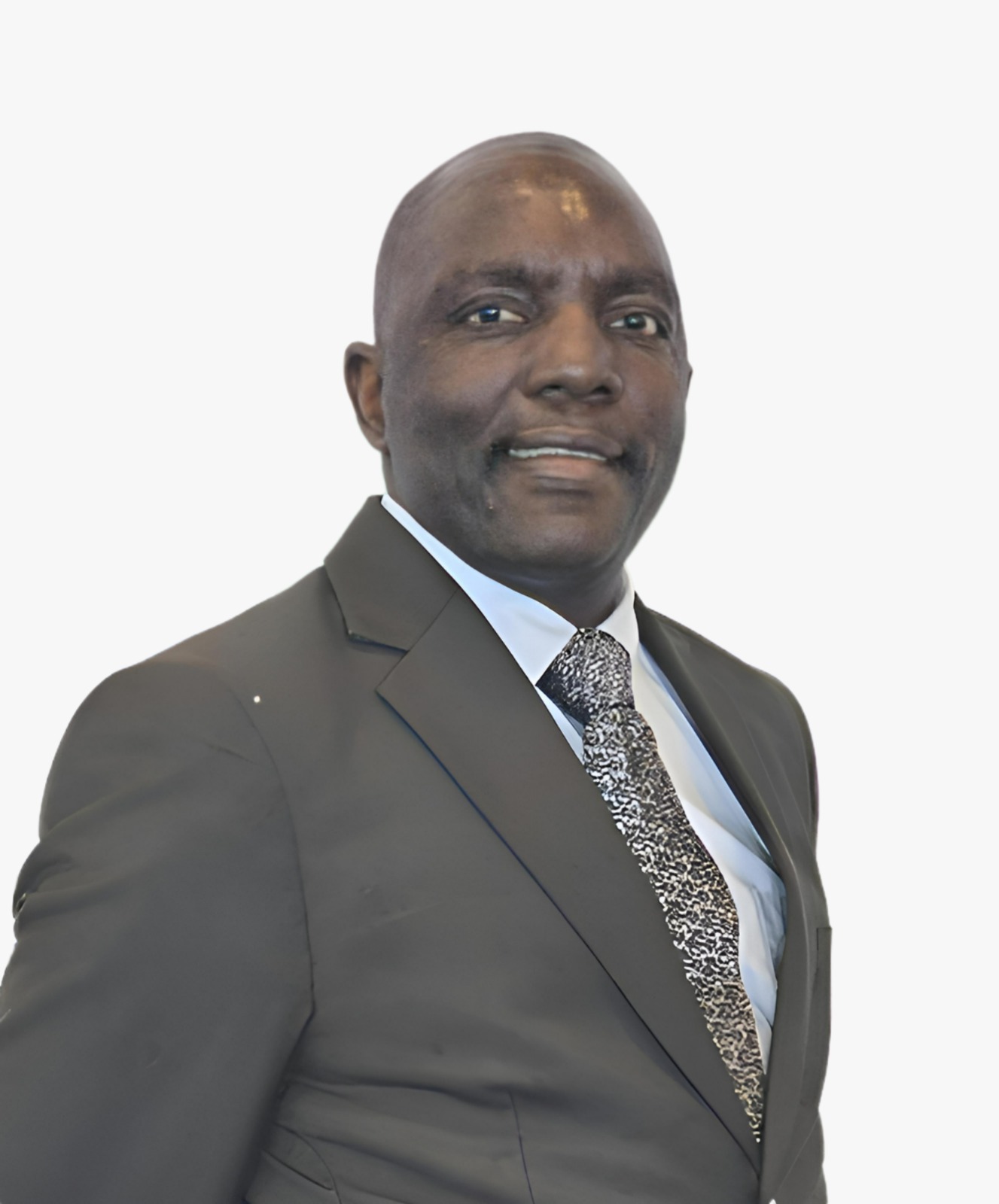
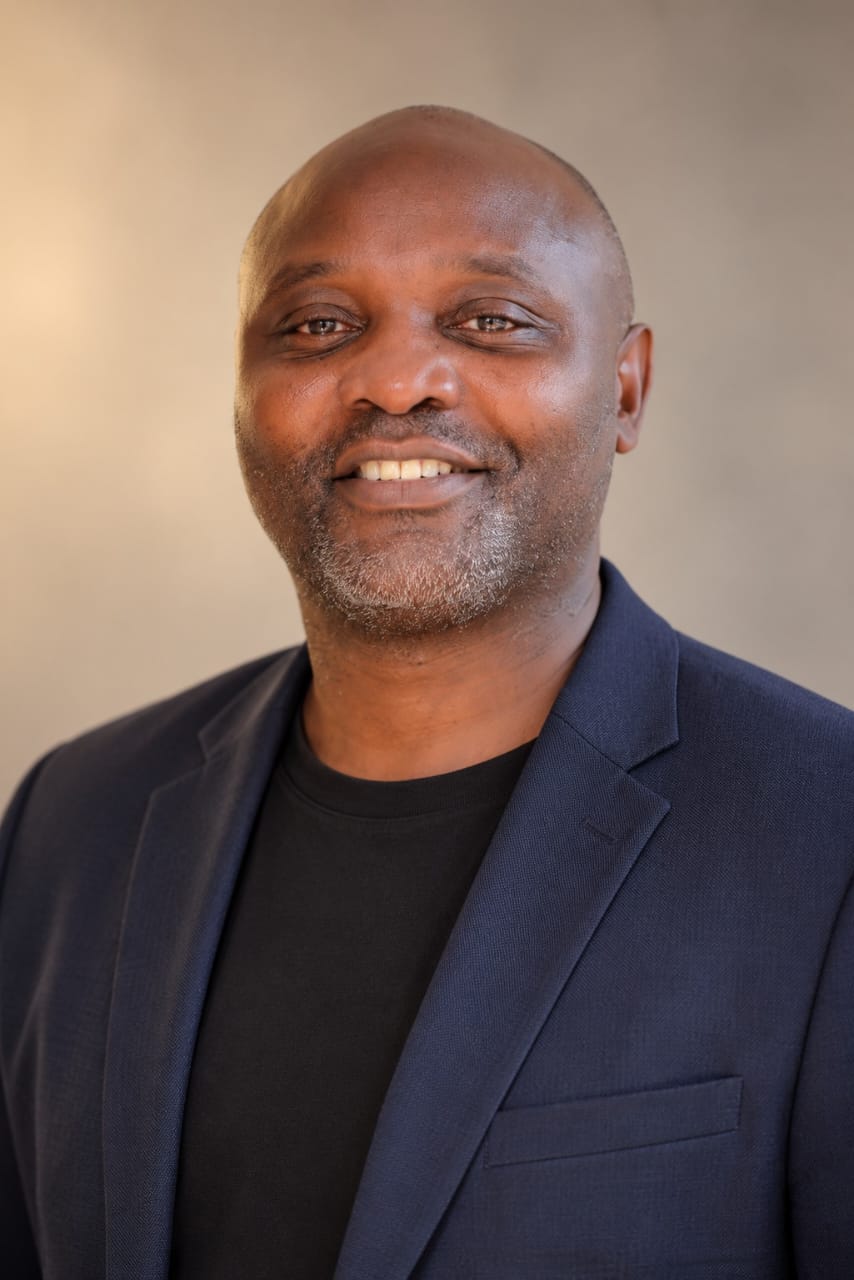
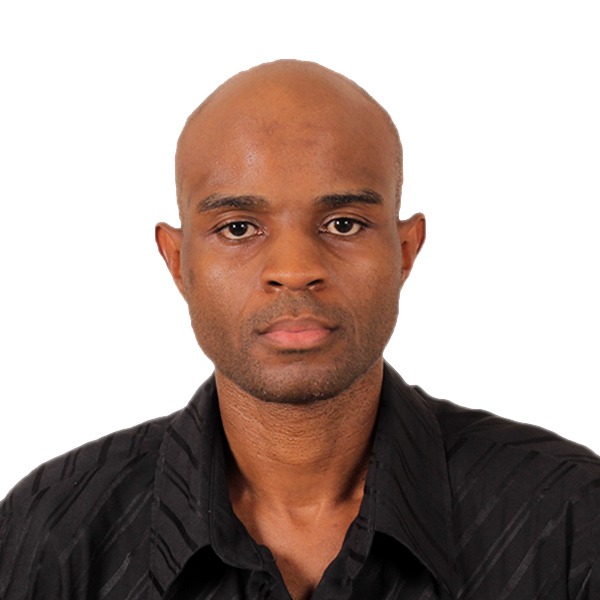
For Mpagi Derrick, a Ugandan living with systemic lupus erythematosus (SLE), epilepsy and rheumatoid arthritis, and Co-founder and Program manager of Might Foundation, the connection between chronic illness and suicide prevention is deeply personal.
His experience has become a call for Uganda to rethink how it approaches suicide prevention, particularly among people living with chronic diseases and disabilities.
Derrick, the co-founder and programme manager of Might Foundation, shared his experience in an paper titled ‘From Pain to Policy: How My Chronic Diseases Show the Urgent Need for Uganda’s Suicide Prevention Strategy’, published on November 1, 2026.
He had been invited to participate as a panellist on chronic illness and suicide prevention at the First Africa Regional Summit on Suicide Prevention 2026, organised with the involvement of the Africa Suicide Prevention Association.
A personal battle with chronic illness
Derrick’s health journey began with a diagnosis of lupus in May 2020. He was subsequently diagnosed with juvenile rheumatoid arthritis in March 2021, rheumatoid arthritis and epilepsy in June 2025.
Lupus is an autoimmune disease in which the body’s immune system mistakenly attacks healthy tissues and organs, potentially causing inflammation and damage to different parts of the body.
For people living with such conditions, the effects can extend beyond physical symptoms to include persistent pain, fatigue, financial pressure and difficulties accessing appropriate treatment.
Derrick’s most difficult experience began in August 2020, when he endured approximately four weeks of severe insomnia.
He says the prolonged inability to sleep, coupled with the failure of prescribed sleep medication, led him into a serious suicidal crisis.
His account describes how his mental state deteriorated as the sleeplessness continued, eventually developing into thoughts of suicide and violence.
He also recounts experiencing depression and sadness following his subsequent decision to discontinue psychiatric treatment.
Derrick is careful to emphasise that his experience should not be taken as representative of everyone living with lupus or autoimmune diseases. Rather, he presents it as an individual case that exposes possible gaps in the management of patients experiencing chronic physical pain and psychological distress.
The challenge of diagnosis and treatment
A central concern in Derrick’s account is what he describes as a misdiagnosis of his condition.
He says a psychiatrist diagnosed him with obsessive-compulsive disorder (OCD), attributing his experiences and physical symptoms to psychological causes.
However, Derrick believes some of the symptoms were associated with his underlying autoimmune and neurological conditions, as well as medication side effects.
He specifically points to fatigue, joint pain, seizures, insomnia, depression and other symptoms that he believes required specialised medical assessment.
He argues that patients presenting with unexplained chronic physical pain should receive appropriate investigations and referrals to relevant specialists rather than having their symptoms prematurely attributed to psychiatric conditions.
His experience raises questions about coordination between primary healthcare providers, psychiatrists, neurologists and rheumatologists, particularly when patients present with overlapping physical and psychological symptoms.
Derrick also calls for stronger patient protection mechanisms, including proper follow-up for people experiencing suicidal thoughts, access to second medical opinions and clear information about where to seek emergency support.
Beyond psychiatric care: Addressing the root causes
One of the central arguments in Derrick’s proposed approach to suicide prevention is that psychological distress should be understood within the circumstances that produce it.
He argues that poverty, inability to afford medication, chronic pain, stigma, family conflict and social isolation can contribute to psychological distress among people living with chronic diseases.
For example, a person with lupus who cannot afford medication may experience worsening symptoms, financial anxiety and hopelessness.
In such circumstances, Derrick argues, suicide prevention interventions should address the underlying challenges alongside appropriate mental healthcare.
He proposes financial assistance, free or subsidised medication, affordable diagnostic services, counselling, legal assistance for victims of abuse and support groups for people living with chronic diseases.
He also calls for affordable dialysis services and improved access to specialised treatment.
Derrick particularly highlights the shortage of rheumatologists and neurologists in Uganda, arguing that limited specialist capacity makes it difficult for people with rare and complex conditions to obtain timely diagnosis and treatment.
He wants government to establish dedicated lupus and autoimmune disease services at Mulago National Referral Hospital, alongside an epilepsy clinic managed by neurologists.
He further proposes scholarships for medical doctors to specialise in rheumatology and neurology, as well as additional training opportunities in lupus, epilepsy and dementia.
Making suicide prevention a community responsibility
Derrick believes suicide prevention should not be left to hospitals and mental health professionals alone.
He proposes the establishment of village guidance and counselling committees to support vulnerable people, particularly out-of-school children and young people.
He also advocates free, trained support caregivers for people experiencing suicidal crises, arguing that family and community support can play an important role when formal healthcare follow-up is inadequate.
His recommendations extend to the legal and policy environment.
He calls for a review of the definition of disability under the Persons with Disabilities Act, 2020, to better recognise invisible disabilities, including lupus, epilepsy and other chronic conditions.
He argues that living with a disability should not automatically lead to assumptions about a person’s mental health.
He also wants government to establish a department responsible for rare diseases under the Ministry of Health to coordinate public awareness, research and support for affected communities.
An appeal for more inclusive public spaces
Beyond healthcare, Derrick raises concerns about the accessibility of public events for people living with disabilities.
He says the cancellation of the third day of the Africa Regional Summit, which was expected to focus on the voices of people with disabilities, denied affected communities an opportunity to contribute to discussions on policies that directly affect them.
He also calls on summit organisers and partners to support the #FlashFreeSpaces campaign.
The campaign seeks to protect people living with epilepsy and certain autoimmune conditions from the effects of camera flashes and flashing lights, which can trigger seizures or worsen symptoms for some affected individuals.
Derrick wants future regional summits and public events to adopt flash-free spaces and consider the needs of people with invisible disabilities.
Turning lived experience into policy
At the heart of Derrick’s message is a call for Uganda’s suicide prevention strategy to recognise the relationship between chronic disease, physical pain, poverty, disability and psychological distress.
His experience illustrates why suicide prevention requires coordinated interventions that combine appropriate medical treatment, psychosocial support, community involvement and stronger patient protection systems.
He also stresses the importance of sleep, identifying prolonged insomnia as the starting point of his own suicidal crisis.
For Derrick, the goal is to ensure that people living with chronic diseases are not left to navigate pain, diagnosis, treatment and psychological distress without adequate support.
His appeal is for a healthcare system that listens to patients, investigates their symptoms, protects their rights and addresses the circumstances contributing to their suffering.
Ultimately, his message is that preventing suicide requires looking beyond the crisis itself to understand the pain, illness and social conditions behind it.
For Uganda, translating such experiences into policy could help shape a more inclusive approach to suicide prevention, one that recognises that saving lives also means improving access to healthcare, reducing stigma and ensuring that no one has to face chronic illness alone.