Land compensation bottlenecks put Uganda’s infrastructure projects at risk
Musasizi said transport infrastructure is a key enabler of economic growth and essential to unlocking the potential of the country's anchor sectors under the ATMS strategy.
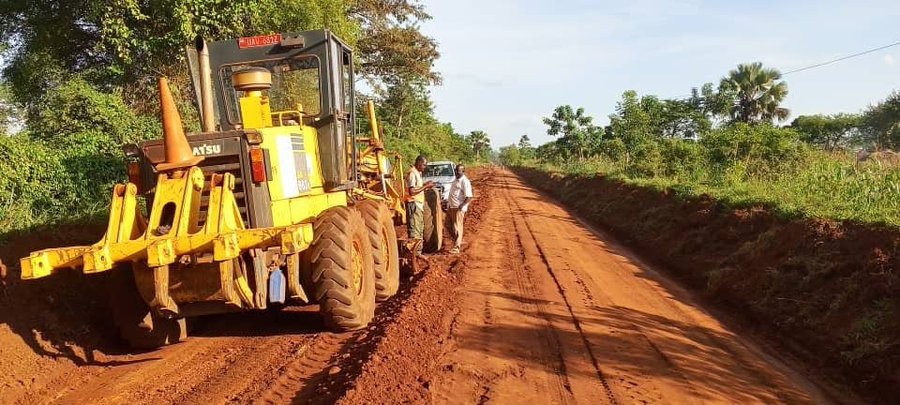
Government has identified delays and challenges in compensating landowners as a major obstacle to the timely implementation of infrastructure projects, prompting renewed calls for better planning, financing and enforcement of road reserves.
The issue featured prominently during a meeting between Finance Minister Henry Musasizi and the leadership of the Ministry of Works and Transport, where officials discussed measures to address the financing gap in the sector and accelerate infrastructure development.
The meeting, held on Monday morning, highlighted the need to address land compensation bottlenecks and enforce the right of way to prevent infrastructure projects from stalling.
Land acquisition and compensation have remained major challenges in the implementation of public infrastructure projects, with delays in settling compensation claims often affecting project timelines, increasing costs and slowing the delivery of critical roads and transport facilities.
The discussions also focused on improving budget planning, mobilising additional resources and ensuring that funds allocated to the sector are released in full and on time.
Musasizi said transport infrastructure is a key enabler of economic growth and essential to unlocking the potential of the country’s anchor sectors under the ATMS strategy.
He noted that although government is operating under fiscal constraints, this should not prevent it from fulfilling its obligations, particularly in financing critical infrastructure projects.
“The fiscal constraint should not stop government from meeting its obligations,” Musasizi said, calling for comprehensive budget analysis to guide proper planning and prioritisation in the next financial year.
He emphasised the need to prioritise critical projects to ensure that limited public resources deliver maximum economic benefits.
Works and Transport Minister Fred Byamukama, who led the ministry’s technical team, asked the Ministry of Finance, Planning and Economic Development to mobilise additional financing for the sector.
He also called for the timely and full release of budgeted funds each quarter, saying predictable financing is necessary to support project implementation.
The concerns over land compensation and right-of-way enforcement point to the importance of resolving issues beyond the availability of construction funds. Even where resources have been allocated, infrastructure projects can face delays if land acquisition and compensation obligations are not addressed in time.
The meeting was attended by Ministers of State for Works and Transport, Musa Ali Siraj and Julius Maganda Wandera, as well as Deputy Secretary to the Treasury Patrick Ocailap.
The discussions come amid government’s efforts to expand and upgrade transport infrastructure to support trade, industrialisation, tourism and agricultural production.
For infrastructure development to progress at the intended pace, government will need to balance construction financing with timely compensation of affected landowners, effective land acquisition planning and enforcement of road reserves.