UK reaffirms commitment to strengthening Uganda’s coffee trade and investment
Uganda is seeking to strengthen its coffee trade and investment partnerships with the United Kingdom and Ireland through a familiarisation mission aimed at connecting local producers with international buyers and expanding access to overseas markets.
Uganda is seeking to strengthen its coffee trade and investment partnerships with the United Kingdom and Ireland through a familiarisation mission aimed at connecting local producers with international buyers and expanding access to overseas markets.
The Uganda–UK and Ireland Coffee Buyers’ Familiarisation Mission, running from November 8 to 15, 2026, brings together coffee importers, specialist roasters, retailers and distributors from the two countries to explore business opportunities across Uganda’s coffee value chain.
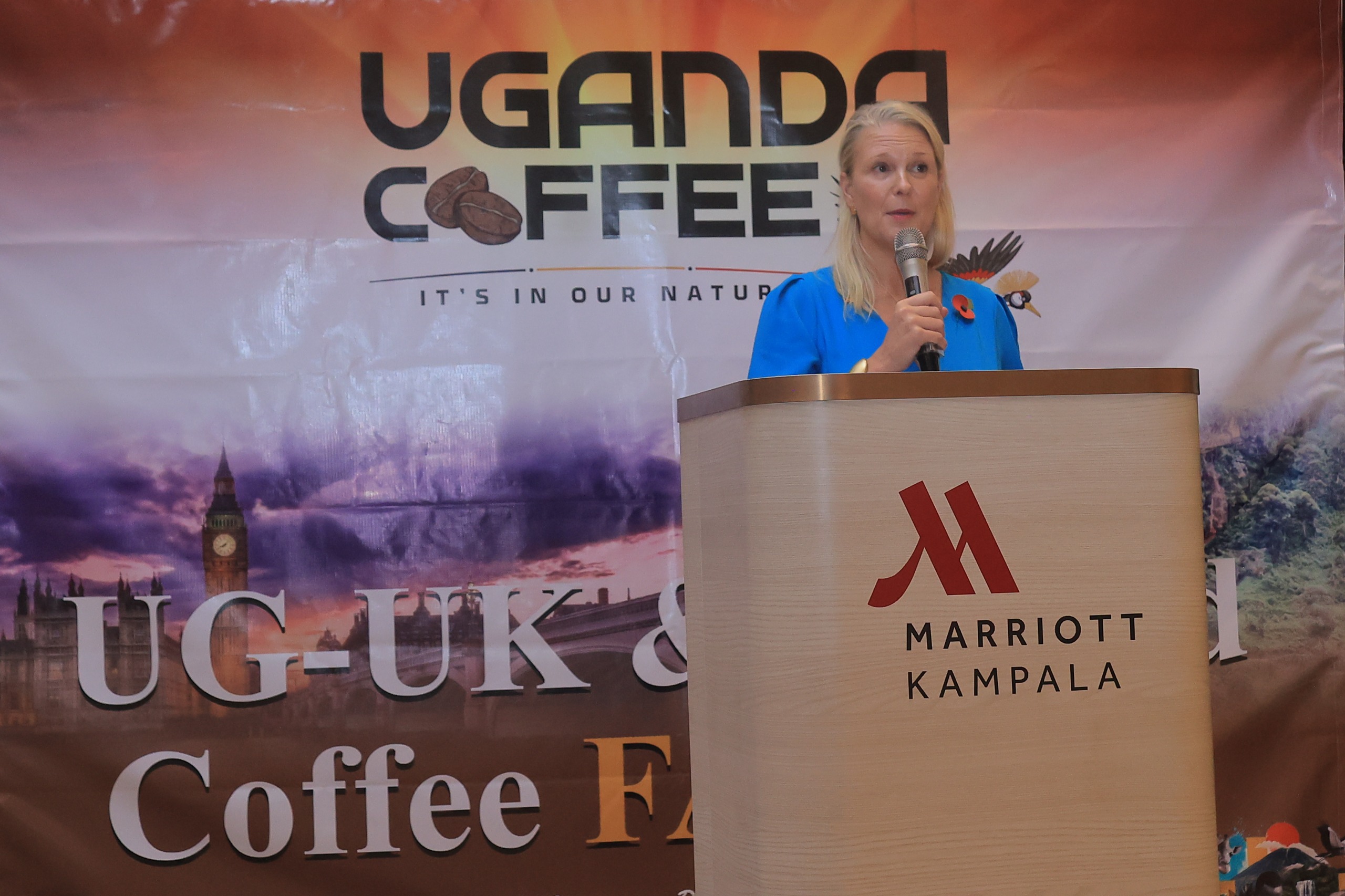
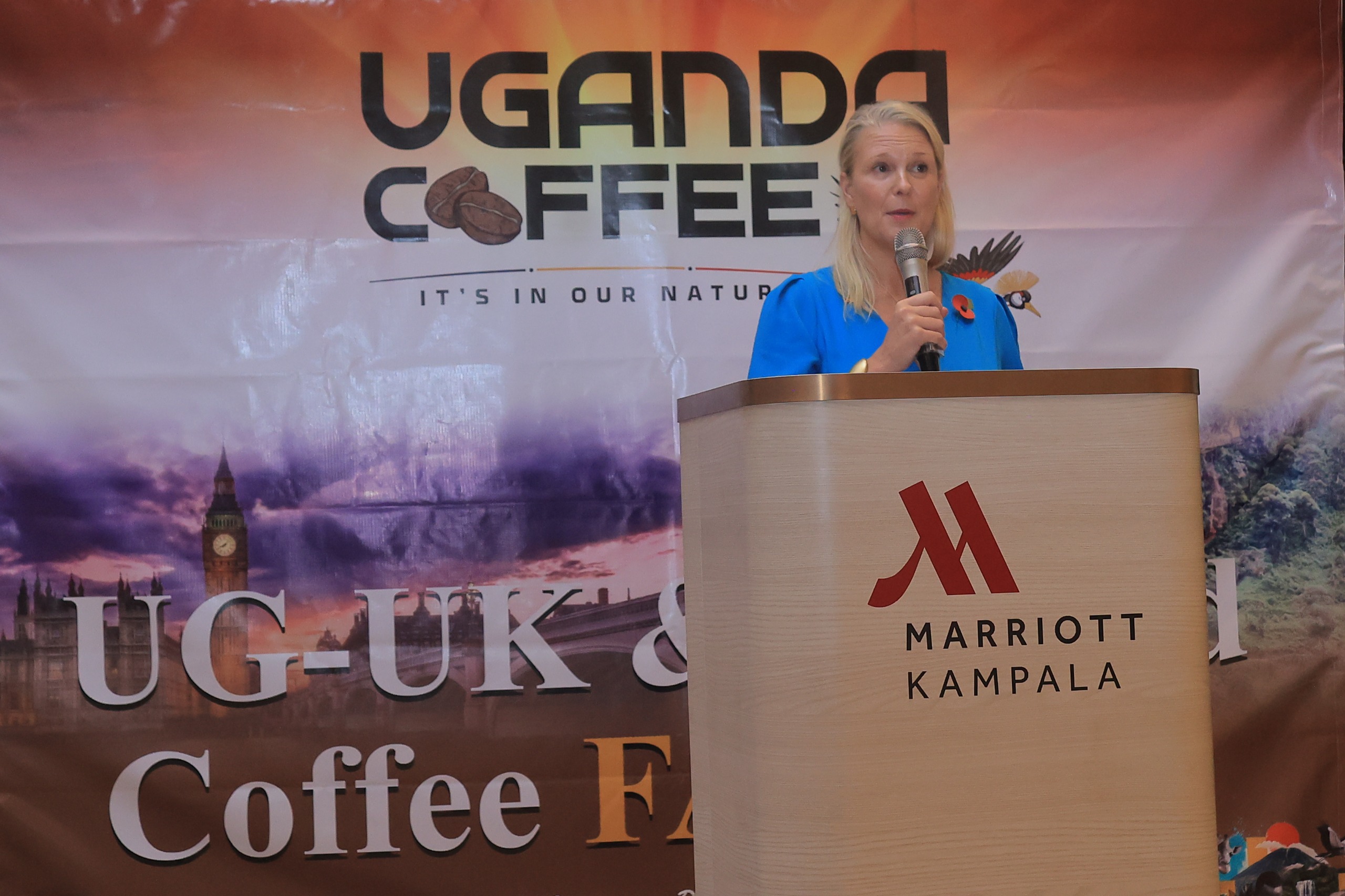
Speaking during the engagement, British High Commissioner to Uganda, Lisa Chesney MBE, reaffirmed the United Kingdom’s commitment to strengthening commercial relations with Uganda, particularly through coffee trade, investment and value addition.
Chesney said the delegation provides an opportunity for international buyers to interact directly with Ugandan farmers, cooperatives, processors, and exporters while exploring opportunities for long-term business partnerships.
She noted that Uganda exported approximately 8.1 million 60-kilogramme bags of coffee, valued at US$2.1 billion, in the last reporting year, describing the performance as evidence of the sector’s growing economic importance.
The High Commissioner identified coffee processing, roasting, packaging, skills development, hospitality, and coffee tourism as key areas where British companies could invest.
She also encouraged Ugandans to increase domestic coffee consumption, noting that retaining more value within the local economy could generate significant economic benefits.
According to Chesney, increasing the number of Ugandans consuming an additional four cups of coffee per week by just one per cent could potentially generate approximately US$47 million for the economy.
She further highlighted the opportunities presented by the UK market, where approximately 103 million cups of coffee are consumed daily, urging Ugandan businesses to strengthen their presence in the market.
Ambassador Steven Senabulya, Deputy Head of Mission at the Uganda High Commission in London, said the mission was intended to turn Uganda’s growing international coffee profile into concrete commercial relationships
He noted that Uganda had previously participated in the London Coffee Festival in May 2025 as part of efforts to promote its coffee and identify opportunities in the UK and Irish markets.
President of the Uganda Coffee Federation, Robert Byaruhanga, also called for stronger collaboration between Ugandan producers and international buyers, saying direct engagement would improve understanding of Uganda’s distinct ArabicaRobusta coffee varieties.
Meanwhile, Ambassador Richard Kabonero, representing the Ministry of Foreign Affairs, reaffirmed Government’s commitment to using economic and commercial diplomacy to expand exports, attract investment and create employment opportunities.
He emphasised that Uganda’s diplomatic engagements should translate into tangible economic benefits for the country.
Providing an overview of the coffee sector, Gordon Katwirenabo, Assistant Commissioner for Coffee Quality Assurance and Value Addition at the Ministry of Agriculture, Animal Industry and Fisheries, said coffee is grown in approximately 126 of Uganda’s 146 districts, supporting an estimated 12.5 million people directly and indirectly.
He added that the government is targeting an increase in annual coffee production to 20 million 60-kilogramme bags by 2030, supported by improved farming practices, research, quality assurance, and expanded market access.
Katwirenabo also highlighted ongoing efforts to strengthen coffee traceability and compliance with emerging international requirements, including the European Union Deforestation Regulation (EUDR).
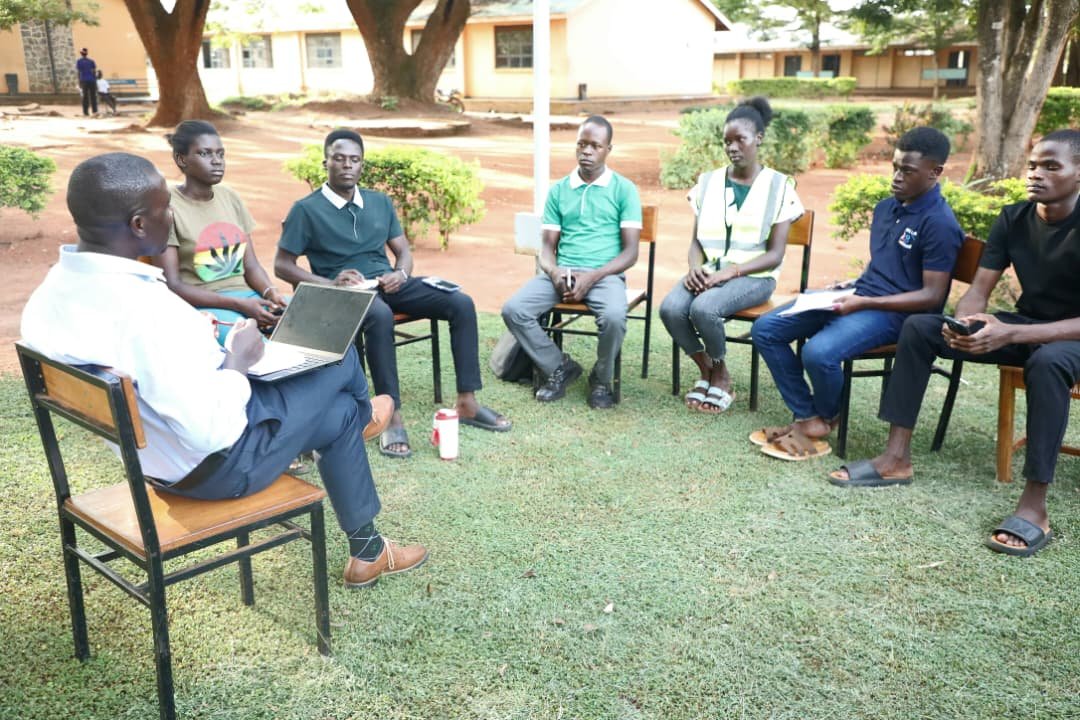
The mission is expected to take the visiting delegation to coffee-growing regions across Uganda, where they will interact with farmers, visit processing facilities and washing stations, and explore direct sourcing arrangements.
Government and industry stakeholders hope the engagements will lead to increased coffee exports, greater investment in local processing, and stronger commercial partnerships between Uganda and the UK and Irish markets.