Bakenye cultural initiative sparks debate on identity, law and formation ambition
Citing Article 246 of the Constitution and the Institution of Traditional or Cultural Leaders Act, 2011, the leadership emphasized that cultural institutions are permitted as custodians of heritage but are explicitly barred from exercising political or administrative authority.
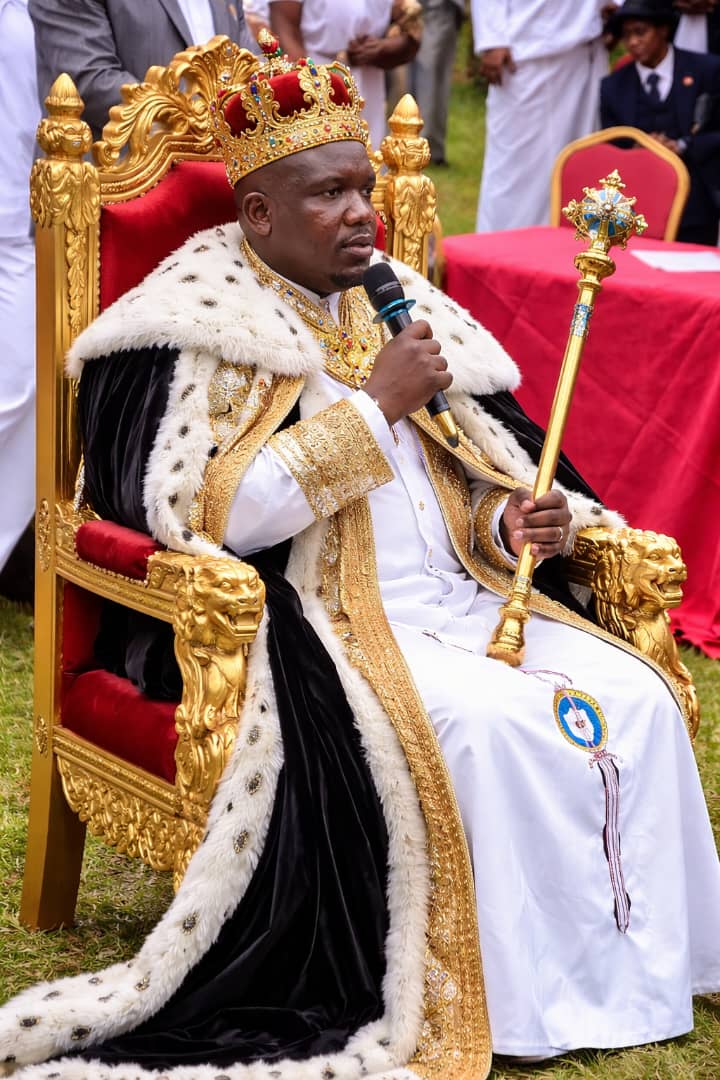
The emergence of the Bakenye Cultural Institution has ignited a wider national conversation about cultural identity, legal boundaries, and the spread of misinformation, with community leaders urging calm and clarity amid growing public interest.
The debate follows the recent election of the Omugungumali Yaaya W’aBakenye, a cultural figurehead whose installation has been widely misinterpreted in sections of the media and online platforms as a move to establish a kingdom.
But in a detailed clarification issued Wednesday, the Bakenye Cultural Union distanced itself from such claims, stressing that its initiative is firmly rooted in Uganda’s legal framework governing traditional and cultural leadership.
Citing Article 246 of the Constitution and the Institution of Traditional or Cultural Leaders Act, 2011, the leadership emphasized that cultural institutions are permitted as custodians of heritage but are explicitly barred from exercising political or administrative authority.
“This is not about political power or statehood,” the statement explained. “It is about preserving identity, strengthening unity, and promoting cultural continuity.”
The clarification comes at a time when Uganda has witnessed renewed interest in cultural institutions, many of which play influential social roles despite constitutional restrictions on their political engagement.
Observers say the Bakenye case highlights the delicate balance between cultural expression and public perception, particularly in a digital age where information—and misinformation—spreads rapidly.
For the Bakenye, a community that leaders describe as historically dispersed and often misunderstood, the current moment represents both an opportunity and a challenge. While the growing visibility has brought attention to their heritage, it has also revived long-standing misconceptions, including claims that they are of foreign origin.
Community leaders argue that the formation of a cultural institution is a corrective step—one aimed at reclaiming narrative, preserving language and traditions, and creating a unifying platform for members across the country.
They also see it as a vehicle for social development, with a focus on youth empowerment, family cohesion, and cultural education.
However, the leadership cautioned that misrepresentation of their intentions risks undermining these goals and fueling unnecessary tension.
They called on media houses and the public to prioritize verification and responsible reporting, warning against what they described as “inflammatory narratives” that distort the purpose of the institution.
Analysts note that the situation reflects a broader national dynamic, where cultural revival movements can easily be misconstrued as political ambitions, especially in a country with a complex history of traditional governance structures.
Despite the controversy, the Bakenye Cultural Union insists its path remains clear: a non-political, lawful institution dedicated to cultural preservation and national cohesion.
As discussions continue, the development may serve as a test case for how emerging cultural identities are understood—and reported—within Uganda’s evolving social and legal landscape.