Bank of Uganda Deputy Governor calls for trade-led growth as developing world’s debt burden deepens
More than three billion people worldwide now live in countries that spend more on servicing debt than on health or education, a trend Prof. Nuwagaba described as a systemic failure rather than fiscal indiscipline.

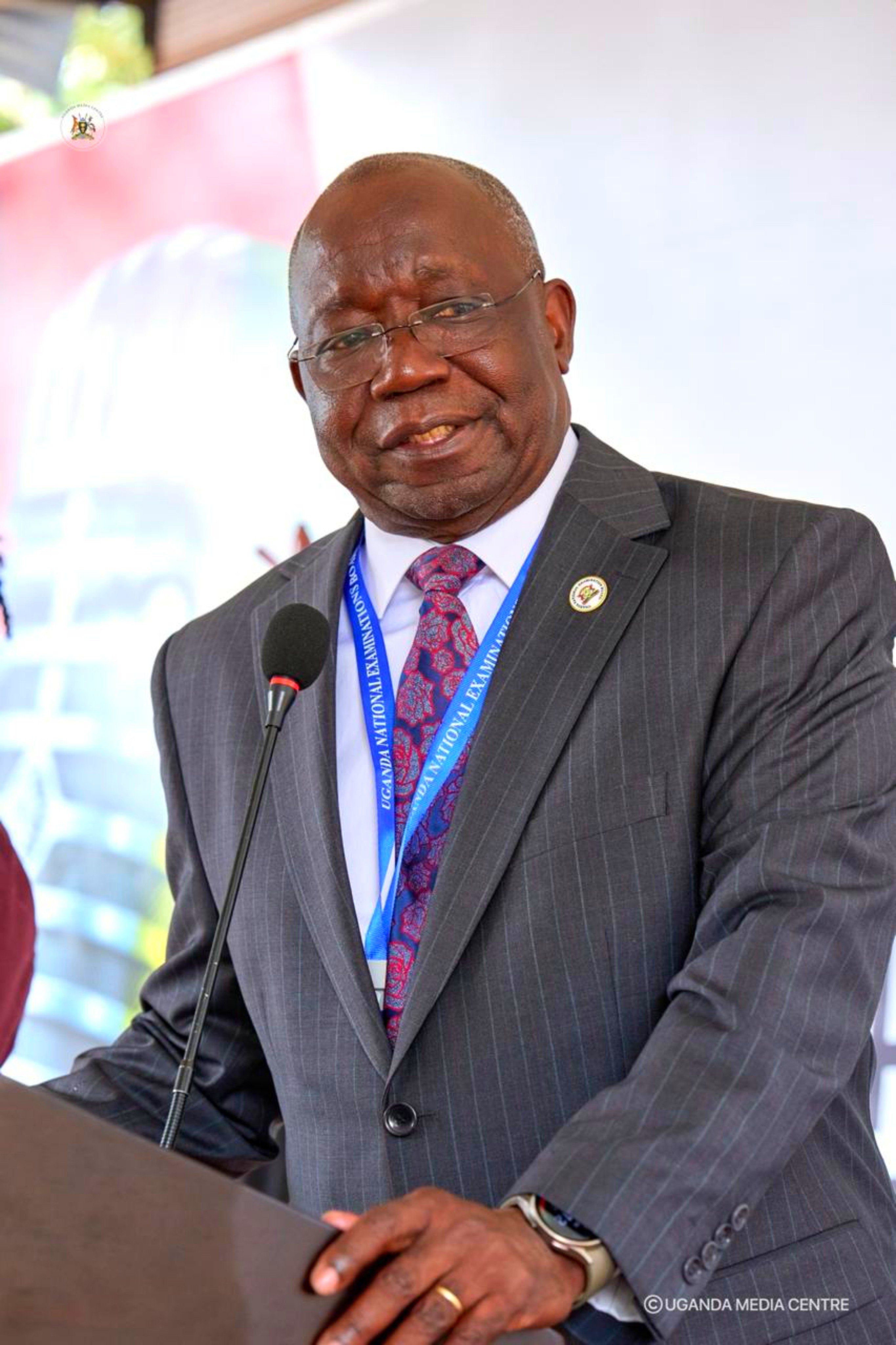
Developing countries are facing an intensifying public debt crisis, driven by high borrowing costs and a global financial system that places disproportionate pressure on emerging economies, according to Prof. Augustus Nuwagaba, Deputy Governor of Bank of Uganda.
Prof. Nuwagaba said that by 2024, developing countries had accumulated an estimated US$11.7 trillion in public debt, with about US$1.6 trillion of government revenue channelled annually into debt servicing alone. He noted that the scale of the burden has significant implications for social spending, investment and long-term growth.
More than three billion people worldwide now live in countries that spend more on servicing debt than on health or education, a trend Prof. Nuwagaba described as a systemic failure rather than fiscal indiscipline.
“This is not bad budgeting. It is a broken global system,” he said, pointing to the fact that developing economies typically borrow at interest rates two to four times higher than those paid by advanced economies. As a result, when global interest rates rise, developing countries absorb the shock first and most severely.
While acknowledging the importance of debt relief initiatives, Prof. Nuwagaba warned that relief alone cannot resolve the crisis without sustained economic expansion.
“Debt relief matters, but relief without growth is just buying time,” he said. “You don’t grow by cutting. You grow by trading and producing more.”
South–South Trade as a Growth Lever
Prof. Nuwagaba highlighted South–South trade as one of the most underutilised yet powerful tools available to developing countries. Trade among developing economies is currently valued at about US$5.7 trillion, accounting for nearly 25 percent of global trade.
He noted that South–South trade has expanded faster than trade among advanced economies for more than two decades, signalling a structural shift in global commerce.
“The South is already buying from the South,” he said, adding that deeper trade integration could translate into higher employment, expanded tax bases and reduced reliance on external borrowing.
According to Prof. Nuwagaba, increasing trade among developing countries would ease debt pressures by strengthening domestic revenue generation and supporting industrial growth, rather than adding to debt stocks through new loans.
AfCFTA and Africa’s Debt Outlook
For Africa, the full implementation of the African Continental Free Trade Area (AfCFTA) represents a major opportunity to unlock trade-led growth. Prof. Nuwagaba said that intra-African trade could rise by more than 50 percent over time if the agreement is fully operationalised.
“That is growth without new loans,” he said, arguing that stronger regional trade would help African economies grow faster while improving debt sustainability.
As governments across the developing world confront tightening fiscal space and rising debt-service obligations, Prof. Nuwagaba said the strategic focus must shift toward production, competitiveness and market integration.
“The bottom line is simple,” he said. “Trade more. Borrow less. Grow faster.”
His remarks add to a growing policy debate among central banks and finance ministries on how developing economies can escape recurring debt cycles by rebalancing toward growth-driven, trade-oriented economic strategies.