Bee Farmers demand policy to combat climate change impacts and boost sector
The farmers, who recently convened in Kiboga and Kyankwanzi for a multi-stakeholder workshop and field tour, emphasize that such a policy is crucial for guiding their work, ensuring sustainable bee harvesting, and fostering self-regulation within the honey trade.

Bee farmers, under the banner of the African Institute for Biodiversity and Sustainability (AIBIS), are urgently calling for the enactment of a national policy to regulate the impact of climate change on pollinators in Uganda.
The farmers, who recently convened in Kiboga and Kyankwanzi for a multi-stakeholder workshop and field tour, emphasize that such a policy is crucial for guiding their work, ensuring sustainable bee harvesting, and fostering self-regulation within the honey trade.
The workshop, which focused on the profound impacts of climate change on pollinators and their indispensable role in global food systems, highlighted the growing concerns of bee farmers.
Allan Kalangi, Executive Director of AIBIS, stressed the necessity of a policy to monitor the quality and production of honey, enabling farmers to maximize their earnings. He pointed out the burgeoning market for honey and its diverse range of products, including venom, wine, shoe polish, soap, and candles.
“Quality honey from Uganda is not only creating jobs for the youth in the value chain but also plays a vital role in crop fertilization,” Kalangi stated.
He further advocated for increased government intervention, particularly through initiatives like Operation Wealth Creation, to focus on establishing processing factories that will purchase honey directly from farmers and provide them with essential equipment.
AIBIS has been actively engaging with bee farmers in key agricultural zones across Uganda, including Kiboga, Kyankwanzi, Hoima, and Kikuube. Kalangi noted the significant economic potential of honey, citing venom, for instance, which can fetch a premium price of 50,000 Ugandan Shillings per gram when extracted.
The organic and high quality of Ugandan honey has earned it a distinct advantage in the international market, according to Aloysius Ssemwogerere, the entomology officer for Kiboga district.
He remarked that Ugandan honey products are among the few that can enter foreign markets without extensive prior certification, urging farmers to maintain these high standards for sustainable market access.
However, Ssemwogerere also revealed a critical challenge within his district: widespread incidents of fire outbreaks deliberately set in the vicinity of beehives by neighboring individuals. “I have registered many cases in my office,” he reported, underscoring the urgent need for protective measures.
The bee keepers themselves echoed these sentiments, citing a litany of challenges. Guulu Margaret and Kaganga John, both bee keepers, highlighted their struggles with acquiring modern beehives and obtaining sufficient capital to expand their businesses. They also called for greater market protection and effective measures against the rampant fire outbreaks.
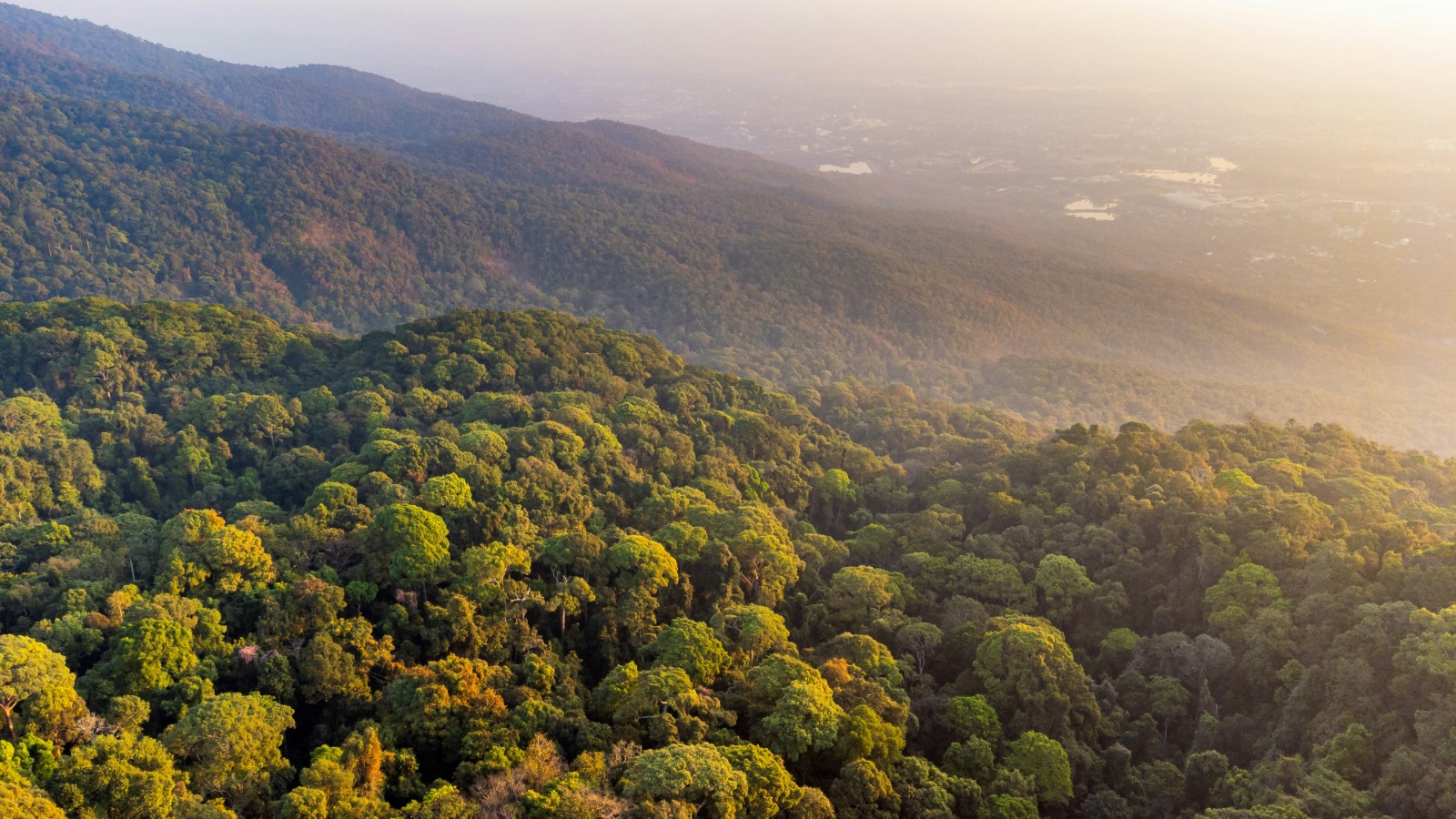
Annet Kasoro, a bee keeper and farmer from Hoima district, alongside Ronard Sekizi, identified deforestation and the widespread use of pesticides as major threats affecting pollinators, particularly bees. The cutting down of trees not only destroys habitats but also reduces the availability of nectar and pollen sources, while pesticide application directly poisons the bees.
The Kiboga District LC 5 Chairperson, represented by Speaker Salngo John Kyoomya during the opening remarks, lauded AIBIS for their commitment to supporting farmers in the district. He pledged the district’s full support for the organization’s activities.
The collective voice of Uganda’s bee farmers, amplified by AIBIS, signals a pressing need for a comprehensive policy framework that addresses both the environmental challenges posed by climate change and the economic realities faced by those who dedicate themselves to this vital sector.
The demand for governmental support in processing and protecting their livelihoods, coupled with the unique quality of Ugandan honey, points towards a significant opportunity for growth and development if these concerns are adequately addressed.