Bwindi’s new census elevates Uganda’s primate tourism portfolio
For Uganda Tourism Board (UTB), the findings are more than scientific data, they represent a strategic asset in positioning Uganda within the competitive global ecotourism market.
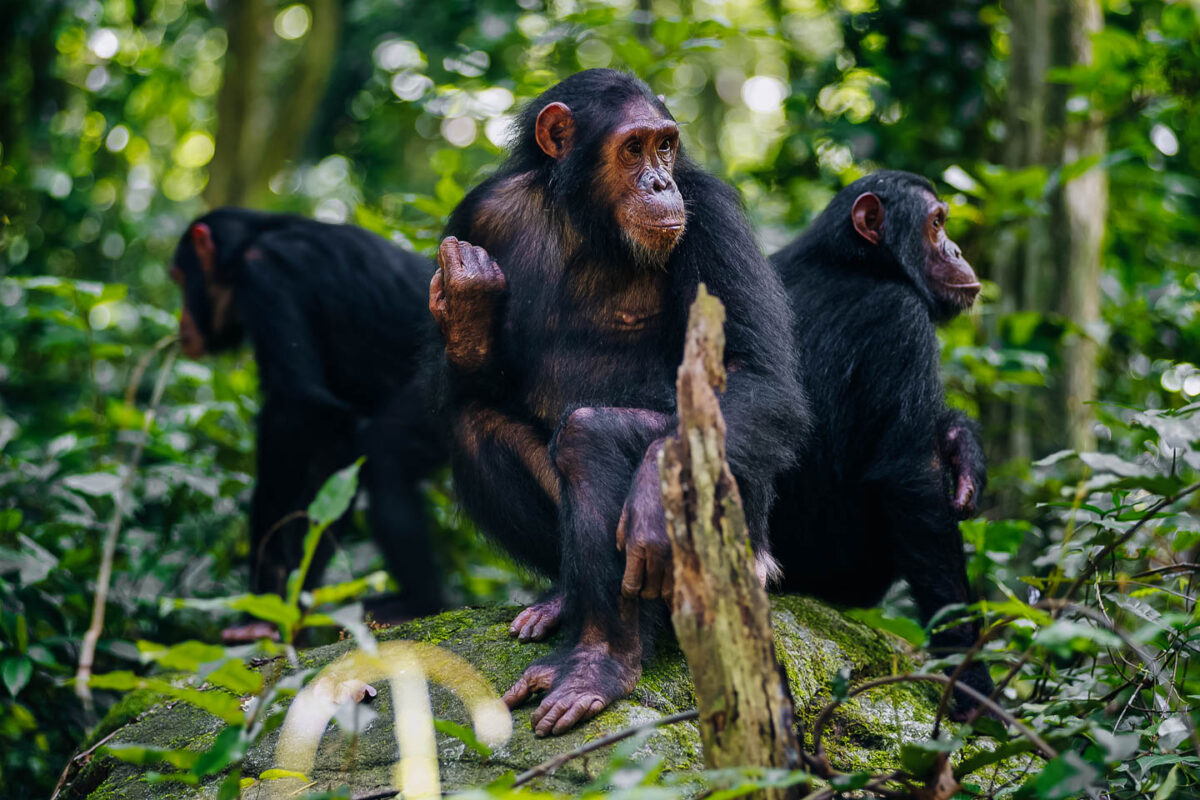
Uganda’s tourism sector has received a major scientific and commercial boost following the release of new chimpanzee census results from Bwindi Impenetrable National Park. The comprehensive assessment, conducted by the Jane Goodall Institute in collaboration with the Uganda Wildlife Authority, confirmed an estimated 426 chimpanzees residing within the park.
The census marks the first full population survey ever undertaken in Bwindi, adding a new dimension to a destination long celebrated for its mountain gorillas. For Uganda Tourism Board (UTB), the findings are more than scientific data, they represent a strategic asset in positioning Uganda within the competitive global ecotourism market.
From Gorilla Sanctuary to Multi-Primate Powerhouse
Bwindi is internationally recognized as a UNESCO World Heritage Site and home to more than half of the world’s remaining mountain gorillas. Gorilla trekking has historically been the park’s flagship product, drawing high-value, conservation-conscious travellers willing to pay premium permit fees for intimate wildlife encounters.
The confirmation of a substantial and widely distributed chimpanzee population strengthens Bwindi’s profile as a multi-primate destination. For tour operators and travel designers, this expands itinerary possibilities, lengthens visitor stays, and enhances value propositions for luxury and specialist travel segments.
In an industry increasingly driven by experiential depth, biodiversity diversity is a competitive advantage. The census positions Bwindi not merely as a single-species attraction, but as a complex rainforest ecosystem offering layered primate experiences.
Reinforcing Uganda’s “Primate Capital” Claim
Uganda already enjoys a strong reputation for chimpanzee tracking in Kibale National Park and other forest ecosystems across the country. With confirmed numbers now documented in Bwindi, Uganda’s claim as Africa’s primate capital gains additional credibility.
For international markets, especially those prioritizing conservation transparency, verified population data matters. The census provides measurable proof that Uganda’s wildlife management frameworks are functioning effectively.
Chimpanzees are highly sensitive to habitat disturbance. A stable and sizeable population signals healthy forest cover, strong anti-poaching enforcement, and sustained ecological monitoring. In tourism marketing terms, this translates into trust, a currency increasingly valuable in high-end ecotourism.
Conservation as Economic Infrastructure
The implications extend beyond wildlife statistics. Tourism revenue generated through park permits and associated services feeds directly into ranger patrols, ecological research, habitat protection, and community engagement initiatives. The chimpanzee census underscores the virtuous cycle between conservation investment and tourism performance.
As global travellers become more selective, destinations that demonstrate quantifiable conservation outcomes are gaining preference. Uganda’s ability to present verified data at platforms such as ITB Berlin strengthens its negotiating position with international tour operators, investors, and sustainability-focused travel consortia.
At ITB Berlin, one of the world’s leading travel trade exhibitions, such data provides compelling evidence that Uganda’s wildlife assets are not only iconic, but responsibly managed and scientifically monitored.
Climate, Biodiversity and Long-Term Value
Healthy chimpanzee populations are indicators of broader ecosystem resilience. Bwindi’s dense rainforest contributes to carbon sequestration, watershed protection, and regional climate stability. The census therefore intersects with global climate conversations, reinforcing Uganda’s relevance within sustainability-driven travel markets.
For investors exploring lodge development, eco-camp ventures, or community-based tourism partnerships, scientific confirmation of biodiversity strengthens the long-term viability of capital deployment. Reliable wildlife populations underpin occupancy forecasts, pricing models, and destination branding strategies.
A Story for Global Audiences
The Uganda Tourism Board views the census as both a conservation milestone and a marketing opportunity. The data allows Uganda to tell a more comprehensive wildlife story, one that moves beyond single-species fame toward ecosystem richness.
As the Ugandan delegation engages international media, tour operators, and conservation stakeholders, the message is clear: Uganda’s forests are thriving, its conservation partnerships are delivering measurable outcomes, and its tourism sector is evolving with science at its core.
In an era where authenticity and accountability define travel choices, Bwindi’s 426 chimpanzees represent more than a population count. They are proof points, evidence that conservation-driven tourism can protect biodiversity while strengthening economic resilience.