Climate change now a fiscal risk, says finance minister Musasizi as global finance leaders meet in Kampala
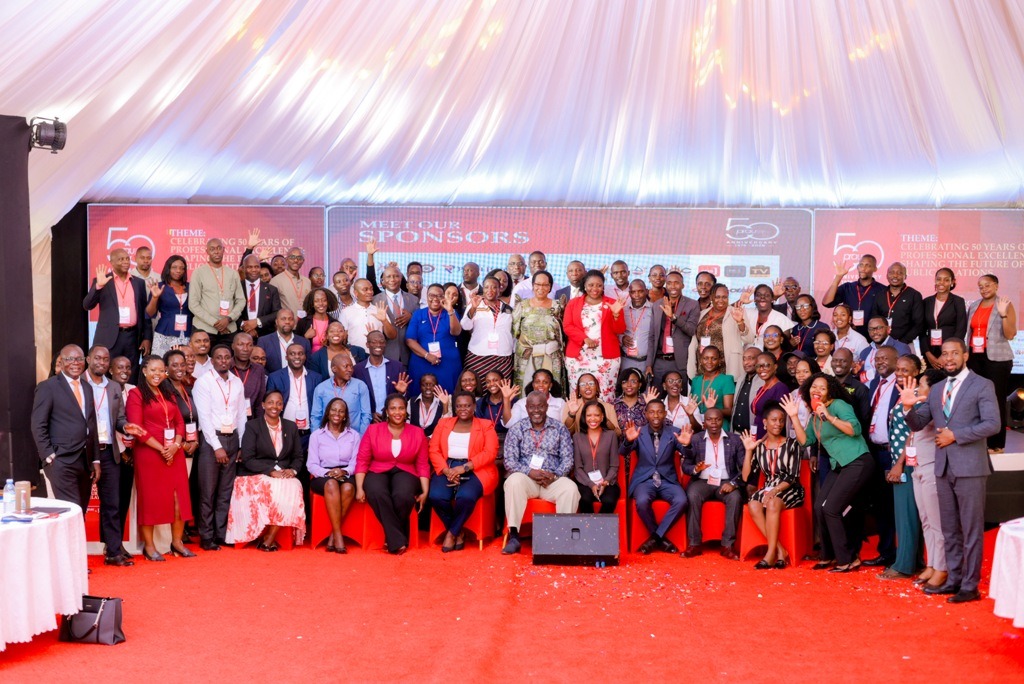
The three-day meeting, which runs from February 9 to 11, has brought together senior officials from ministries of finance to review progress made in 2025, reflect on emerging challenges and shape the Coalition’s next Strategic Work Program.

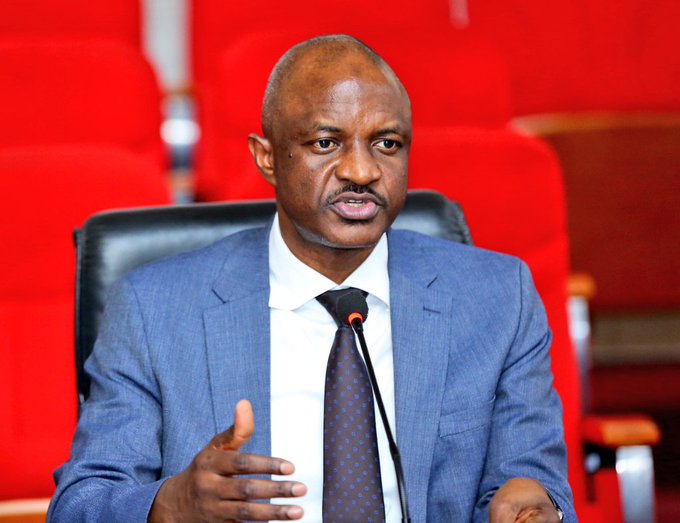
Climate change has evolved from an environmental concern into a full-scale macroeconomic and fiscal challenge, Uganda’s Minister of State for General Duties, Henry Musasizi, has said, warning that its impacts are increasingly straining public finances across the world.
Speaking on Tuesday, February 10, 2026, while officially opening the In-Person Global Deputies’ Meeting of the Coalition of Finance Ministers for Climate Action at Speke Resort Munyonyo, Musasizi said climate change affects all countries regardless of their contribution to global emissions and requires collective, evidence-based and decisive action.
“Many countries are grappling with increasingly frequent and severe climate shocks which put immense pressure on public finances and budget execution,” Musasizi said, noting that fiscal systems are being tested by floods, droughts, rising temperatures and extreme weather events.
The three-day meeting, which runs from February 9 to 11, has brought together senior officials from ministries of finance to review progress made in 2025, reflect on emerging challenges and shape the Coalition’s next Strategic Work Program.
Finance Ministries at the Frontline
Musasizi emphasized that finance ministers are uniquely positioned at the centre of the climate response, bearing responsibility for safeguarding national budgets, maintaining fiscal discipline and creating sustainable pathways for economic growth and development.
He said Uganda has benefited significantly from the Coalition’s peer-learning platform, citing improvements in budgeting frameworks, macro-economic modelling and climate-informed policy processes arising from shared knowledge and capacity building.
The Minister, who currently serves as Co-Chair of the Coalition alongside the Netherlands, welcomed Croatia as the incoming Co-Chair, underscoring continuity in leadership and shared commitment to advancing climate-responsive fiscal policy.
Climate Policy Meets Fiscal Reality
A key session at the Global Deputies’ Meeting was chaired by Principal Economist Joel Muhinda, who led discussions under the theme “Leading by example: member presentations on policy instruments.” The session featured country experiences from Uganda, Zambia, Ireland and Denmark, demonstrating how climate risks are increasingly being integrated into macro-fiscal frameworks, tax policy and sovereign risk management.
The presentations highlighted a growing shift among finance ministries to treat climate change not as a peripheral issue, but as a core determinant of long-term economic stability.
Muhinda used the platform to make a strong case for linking debt relief to verifiable climate action, urging development partners to view such arrangements as strategic economic policy rather than charity.
“A flexible, case-by-case framework, supported by bilateral and multilateral partners, can preserve debt sustainability and creditor confidence while unlocking near-term fiscal space,” Muhinda said. “Such an approach would signal good faith, close the transition gap, and align climate ambition with macro-fiscal reality.”
Growth, Resilience and Structural Transformation
Muhinda stressed that climate resilience cannot be pursued in isolation from economic growth and structural transformation, particularly in Africa and the wider Global South.
“Climate resilience, productivity growth and structural transformation must move together,” he said, adding that Africa must expand its GDP and productive capacity to sustainably absorb climate shocks.
He argued that a wealthier and more productive Global South would benefit the entire world by strengthening global markets, reducing systemic risk and contributing to more resilient global growth.
A Coalition with Global Reach
The Global Deputies’ Meeting reinforced the Coalition of Finance Ministers for Climate Action’s role as a unique platform enabling finance ministries to lead climate action through coordinated macro-fiscal policies, shared ambition and credible implementation.
The Coalition brings together fiscal and economic policymakers from 100 countries committed to advancing a just transition toward low-carbon, climate-resilient development. Since its launch on April 13, 2019, finance ministers from 100 countries have endorsed the Helsinki Principles, six non-binding, aspirational principles that promote national climate action through fiscal policy and public finance.
The Coalition’s Secretariat is hosted at the World Bank Headquarters in Washington, DC, and managed by the World Bank Group in collaboration with the International Monetary Fund. It provides administrative, logistical and technical support to the Co-Chairs and member countries.
As climate risks increasingly intersect with debt sustainability, budget planning and economic growth, the Kampala meeting signalled a growing consensus: the climate agenda is now firmly a finance ministry agenda, and one that demands urgency, credibility and disciplined leadership.