Court battle looms over Bukooli South seat after Sande Clement Achoga filing Election Petition challenging election of Adidwa Abdu
The Bukooli South case adds to a growing number of post-election disputes being handled by Ugandan courts, reflecting heightened political competition and increased reliance on judicial processes to resolve electoral grievances.
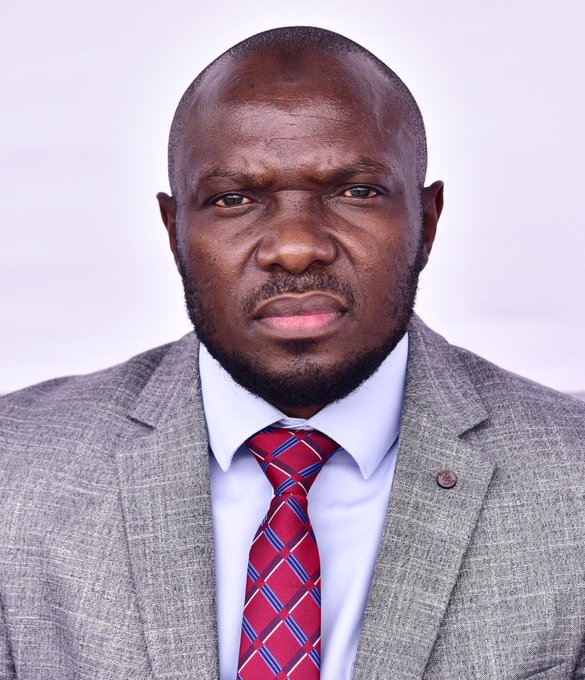
A fresh political and legal contest is unfolding over the Bukooli South parliamentary seat following the filing of an election petition at the High Court of Uganda in Iganga.
The petition, lodged by former candidate Sande Clement Achoga, through his lawyer Muhussein Kyotaite of Strand Advocates, formerly known as Galisonga & CO. Advocates, challenges the election of Adidwa Abdu, who was declared winner after the January 15, 2026 general elections.
Achoga, who finished second in the race, is seeking court orders to overturn the results, arguing that the election was marred by serious irregularities that substantially affected the outcome.
Court documents submitted by Kyotaite indicate that both Adidwa and the Electoral Commission of Uganda have been served with a notice requiring them to respond to the allegations within 10 days. The notice warns that failure to file a defense could result in the case proceeding without their input.
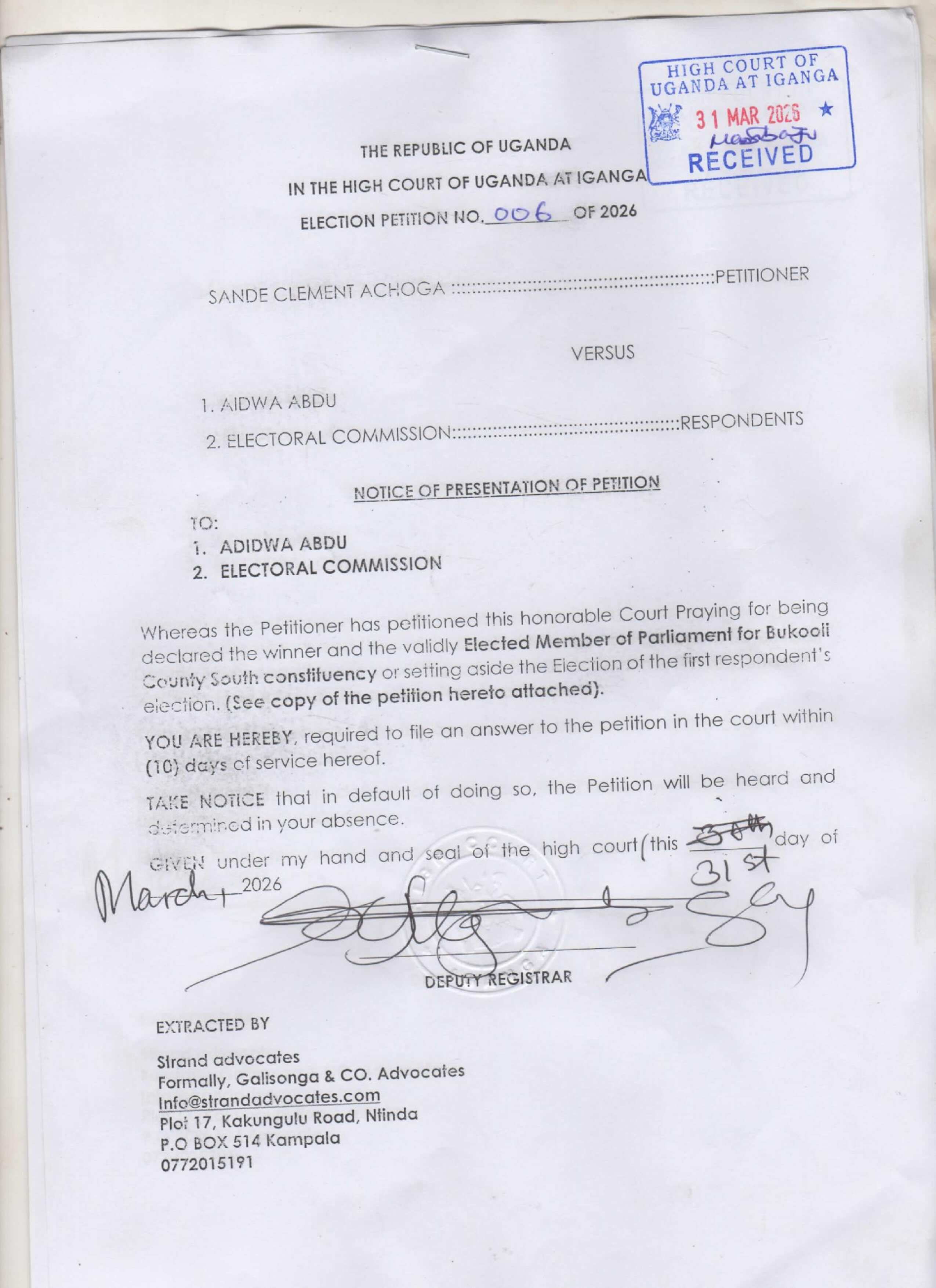
The Electoral Commission formally gazetted Adidwa as the duly elected MP in March, paving the way for his swearing-in. However, the new petition now throws that victory into question.
Core of the Dispute
At the center of the petition are claims that Adidwa did not meet the legal requirements to contest for Parliament and may have used irregular means to gain eligibility.
Achoga alleges that the MP-elect engaged in multiple name changes through deed polls registered with the Uganda Registration Services Bureau, shifting identities within a short period in 2020.
The petitioner argues that these changes were not legitimate but were instead intended to obscure the respondent’s true identity.
Supporting this claim, Achoga references information from the National Identification and Registration Authority, which he says shows that at least two of the names associated with Abdu belong to different individuals.
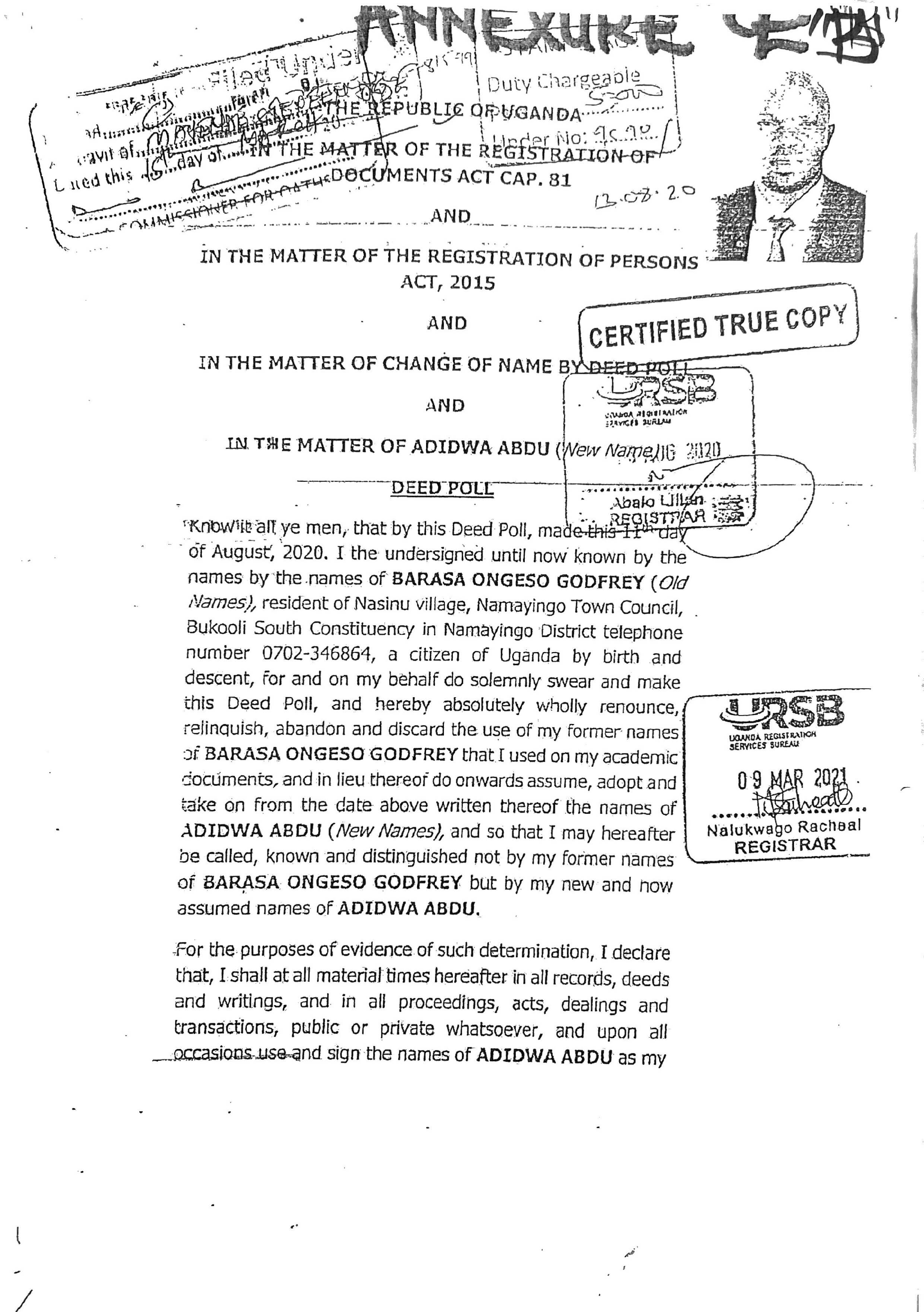
Another key issue raised in the petition concerns the academic qualifications of the MP-elect. Ugandan law requires parliamentary candidates to have completed Advanced Level education or its equivalent.
Achoga claims that Abdu does not meet this threshold, alleging that he only attained education up to Senior Two.
Although the respondent reportedly obtained certification through a mature-age entry pathway linked to the Islamic University in Uganda and overseen by the National Council for Higher Education, the petitioner insists the process was flawed and based on misrepresentation.
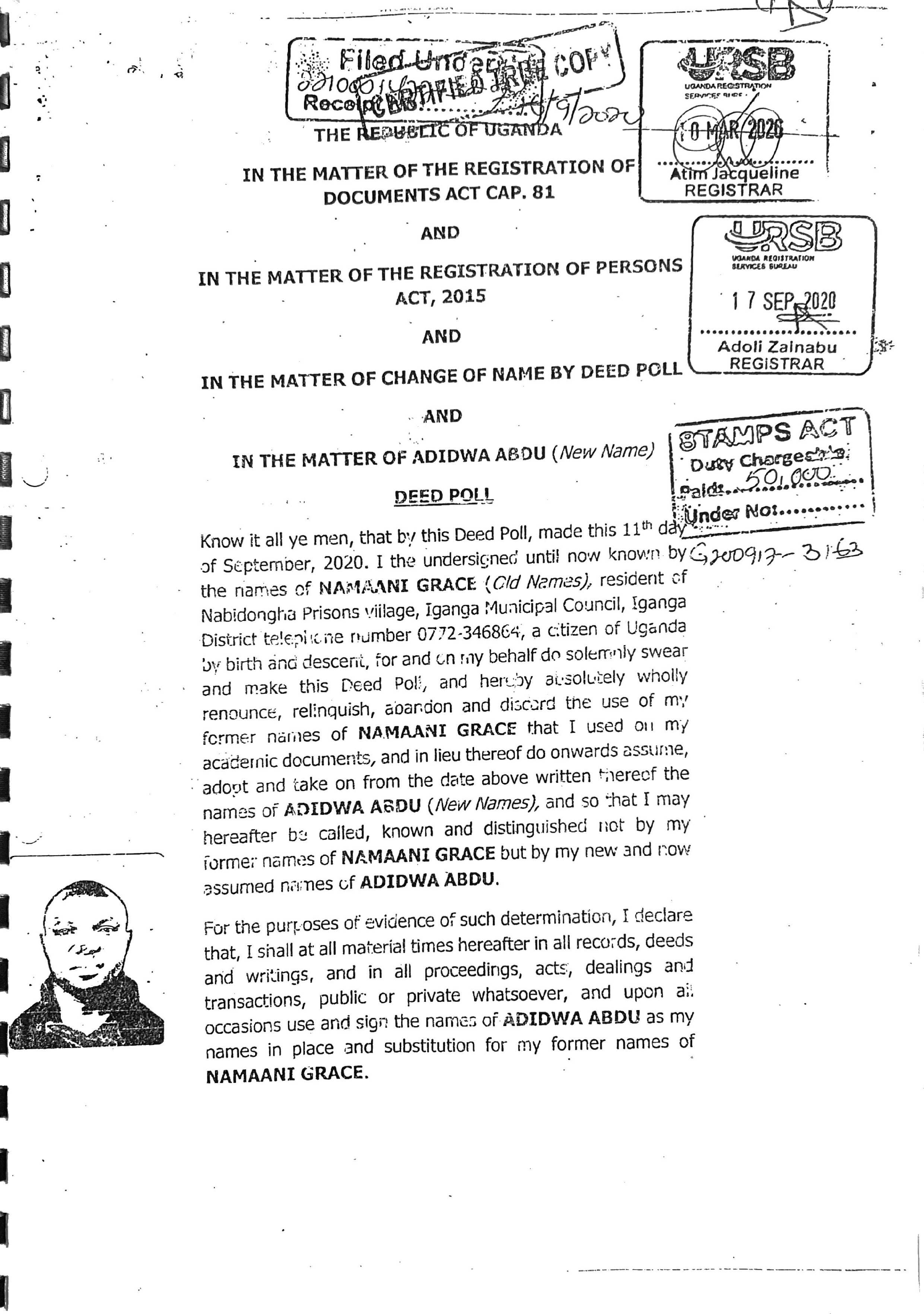
The petition also places the Electoral Commission under scrutiny, accusing it of negligence in verifying candidate credentials prior to nomination.
Achoga contends that proper due diligence would have prevented the alleged irregularities and altered the election outcome.
Possible Outcomes
Legal analysts note that the court will examine whether the alleged irregularities, if proven, were substantial enough to affect the final result.
Possible outcomes include nullification of the election, a court-ordered fresh poll, or dismissal of the petition if insufficient evidence is presented.
The Bukooli South case adds to a growing number of post-election disputes being handled by Ugandan courts, reflecting heightened political competition and increased reliance on judicial processes to resolve electoral grievances.
For voters in Namayingo District, the petition introduces uncertainty over their parliamentary representation, as the court process takes its course.
The High Court is expected to schedule preliminary hearings in the coming days as the respondents prepare their defense in what is shaping up to be a closely watched electoral dispute.