How the NRM government has moved from vision to value and turned growth into wealth
Since 1986, the NRM government’s initial focus was on restoring political stability, rebuilding institutions, and stabilizing the economy after years of conflict and macroeconomic decline. These efforts created the foundation for later investment in markets, infrastructure, and private enterprise.

By Michael Waiswa Baluye
The National Resistance Movement (NRM) often describes Uganda’s development journey as a transition from “vision” to “value” and ultimately to “wealth.” In this framework, vision refers to long-term national direction, value to economic activity that generates higher returns, and wealth to improvements in household income, assets, and resilience.
State-Building and Long-Term Planning
Since 1986, the NRM government’s initial focus was on restoring political stability, rebuilding institutions, and stabilizing the economy after years of conflict and macroeconomic decline. These efforts created the foundation for later investment in markets, infrastructure, and private enterprise.
Key pillars of this phase included:
- Macroeconomic stability
- Liberalization and private-sector-led growth
- Expansion of access to education and healthcare
- Long-term planning frameworks such as Uganda Vision 2040 and the National Development Plans
This represented the “vision” stage — building the institutional and economic framework intended to support sustained national growth.
Transforming the Economy
The concept of “value” goes beyond producing raw output. It involves increasing productivity, promoting processing, improving logistics, and strengthening market linkages.
Examples of this transformation include:
- Expansion of transport infrastructure, including roads, bridges, and energy generation
- Growth in telecommunications, digital finance, and service industries
- Efforts to promote agro-processing instead of relying solely on exports of raw agricultural products
- Development of industrial parks and investment promotion through the Uganda Investment Authority
In practical terms, the government argues that a farmer selling raw maize earns far less than one connected to storage facilities, processing plants, packaging systems, and larger markets.
Improving Household Livelihoods
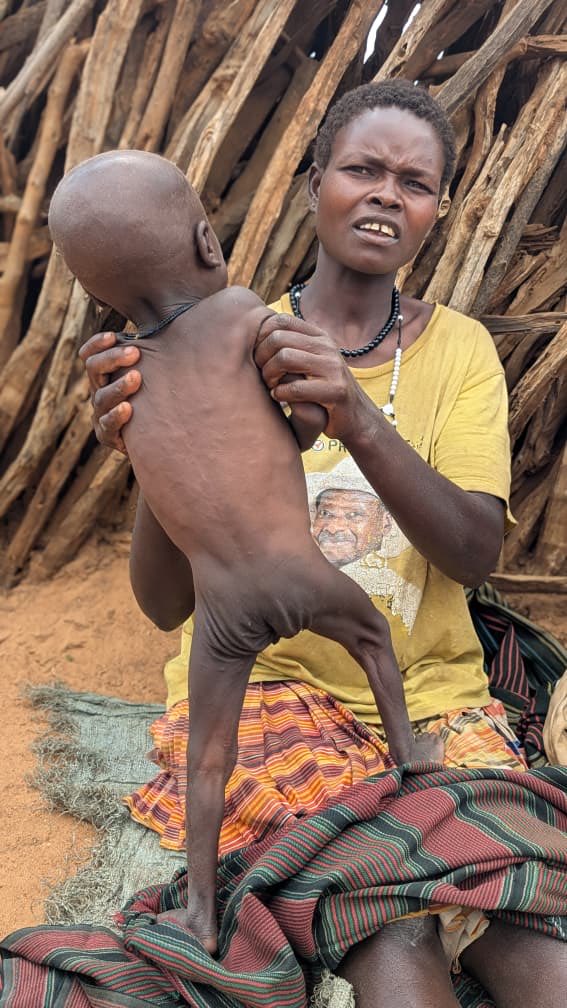
This stage presents the greatest challenge because national economic growth does not automatically translate into household wealth.
For growth to become meaningful wealth, households generally require:
- Stable incomes
- Productive employment opportunities
- Improved land productivity
- Access to finance
- Reliable market access
- Savings and long-term asset accumulation
To address this, the NRM government has increasingly emphasized wealth creation through initiatives such as the Parish Development Model, Operation Wealth Creation, and youth and women livelihood programs.
The underlying logic is to move resources and opportunities closer to communities so that households can participate more directly in production and markets.
Areas Where Progress Is Visible
There are several sectors where economic progress is evident:
- Improved physical connectivity across much of Uganda
- Expansion of urban markets, particularly around Kampala
- Growth in small businesses, trade, transport, telecommunications, and financial services
- Increased electricity generation capacity
- Stronger regional integration within the East African Community
These developments matter because they reduce transaction costs and expand economic opportunities for businesses and households alike.
Why Growth Has Not Fully Translated into Broad Wealth
Despite these gains, major structural challenges remain.
Among the key limitations are:
- Population growth that often outpaces formal job creation
- Continued dependence of many households on low-productivity agriculture
- Persistent youth unemployment and underemployment
- Limited access to affordable credit
- Corruption, resource leakage, and implementation gaps that weaken the impact of government programs
- Income gains that remain unevenly distributed across regions and social groups
As a result, GDP growth and visible infrastructure improvements do not necessarily guarantee widespread household wealth accumulation.
Understanding the Difference
A simple distinction helps explain the debate:
- Growth means the national economy becomes larger.
- Value means economic activity becomes more productive and generates higher returns.
- Wealth means families accumulate income, assets, and long-term financial security.
The NRM government has made greater progress in achieving economic growth and state-led transformation than in ensuring equally distributed household wealth creation.
My Assessment
When Uganda’s trajectory from the late 1980s to today is considered, it is clear that the NRM government has moved the country from a period of instability toward structural economic expansion.
However, the more difficult challenge remains converting macroeconomic gains into broad-based household prosperity.
That is likely to define the national debate during the 2026–2031 period — not whether economic growth has occurred, but who benefits from it, how widely those benefits are shared, and whether they can be sustained over time.