Inside Uganda’s New Tax Plan: What the 2026/27 proposals mean for citizens and the economy
Uganda’s latest tax proposals for the 2026/27 financial year signal a decisive shift toward widening the tax base, tightening compliance, and increasing government revenue but they also raise important questions about the cost of living and doing business.
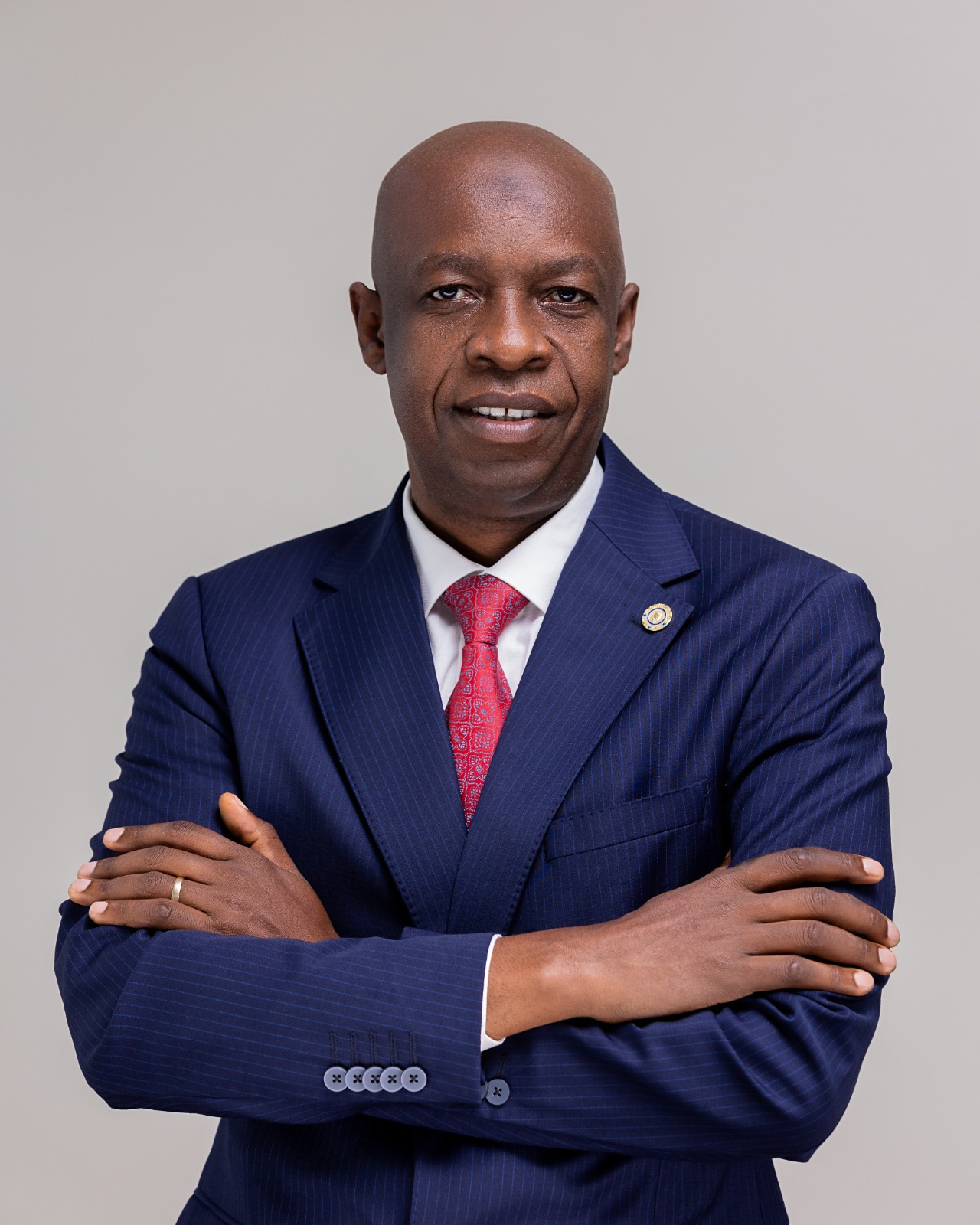
Presenting the proposed tax bills to Parliament’s Finance Committee, State Minister for General Duties Henry Musasizi outlined an ambitious revenue plan anchored on both policy changes and stronger enforcement.
Government expects to raise UGX 1,741 billion from new tax measures and an additional UGX 3,164 billion through administrative improvements by the Uganda Revenue Authority. Together, these efforts are projected to push Uganda’s revenue-to-GDP ratio to 15.5 percent, an increase of 0.6 percentage points.
“This is about strengthening domestic revenue mobilization to finance our socio-economic transformation,” Musasizi told legislators, emphasizing that the proposals are designed not just to raise money, but also to improve compliance and bring more taxpayers into the system.
A Broad Tax Overhaul
The reforms are packaged in several amendment bills, including changes to income tax, value added tax (VAT), excise duty, and stamp duty laws. Collectively, they represent one of the most comprehensive tax reviews in recent years.
At the core of the strategy is expanding the tax net. This means targeting sectors and individuals who have historically remained outside formal taxation.
Who Pays More?
Several proposals directly affect everyday economic activity, from fuel prices to entertainment earnings.
Under the excise duty changes, fuel prices could rise if Parliament approves a UGX 200 increase per litre on petrol and diesel. Taxes on alcohol, sugar, cement, and cooking oil are also set to increase, signaling potential ripple effects across household budgets and construction costs.
Motorcycle users, particularly boda boda operators, could feel the impact of a sharp increase in excise duty on first registration, from UGX 200,000 to UGX 500,000. This comes at a time when motorcycles remain a key source of employment and urban transport.
Public entertainers and digital agents are also being brought more firmly into the tax net. A 6 percent withholding tax on entertainers and a 10 percent tax on commissions earned by airtime and data agents reflect the government’s growing focus on the digital and creative economy.
“These measures are clearly aimed at sectors where transactions are high but compliance has been relatively low,” an economist familiar with the proposals noted.
Relief for Small Businesses
Not all the changes point to higher taxes. In a move likely to benefit small businesses, the government is proposing to raise the VAT registration threshold from UGX 150 million to UGX 250 million in annual turnover.

This means smaller enterprises will be exempt from VAT obligations, potentially easing their compliance burden and allowing them to reinvest in growth.
At the same time, businesses that consistently declare losses may face new scrutiny. The introduction of an Alternative Minimum Tax of 0.5 percent for companies reporting losses beyond seven years is intended to curb tax avoidance practices.
Property and Asset Taxes Tightened
The proposals also touch on property and asset transactions. Stamp duty on land transfers is set to double from 1.5 percent to 3 percent, increasing the cost of real estate dealings.
Additionally, new stamp duties will be introduced on motor vehicle and motorcycle registrations, both at first registration and upon transfer—marking an expansion of taxation into ownership records and mobility.
Environmental and Safety Considerations
Beyond revenue, some measures reflect environmental and safety priorities.
Excise duty on single-use plastics is set to rise sharply, part of a broader push to discourage plastic waste. Meanwhile, under amendments to the Traffic and Road Safety Act, the allowable age of imported vehicles will be reduced from 15 to 13 years, alongside the introduction of a graduated environmental levy.
These changes aim to address concerns about pollution and roadworthiness, though they may also increase the cost of vehicle ownership.
The Bigger Picture
For government, the reforms are about more than balancing the books. They are part of a broader effort to reduce reliance on borrowing and strengthen domestic financing for infrastructure, healthcare, and other development priorities.
Musasizi emphasized that improved compliance will be key to success, with strategies aimed at bringing more individuals and businesses into the formal tax system.
Yet, as Parliament begins scrutinizing the proposals, the debate is likely to center on balance between raising revenue and protecting livelihoods.
For many Ugandans, the coming months will determine how these policies translate into daily life: whether through higher fuel prices, increased business costs, or relief for small enterprises.
As the country pushes toward a more self-reliant economy, the 2026/27 tax proposals offer a clear message: the government is casting a wider net, and more Ugandans will be expected to contribute.