Scaling Agriculture: dfcu’s strategic bet on equipment financing for farmers in Busoga
At the heart of the partnership is a financing model designed to lower the barriers to mechanisation. Farmers will only need to raise 10 percent of the cost of equipment, while the bank finances the remaining 90 percent, backed by insurance from ICEA Lion.
At the sprawling estates of Kakira Sugar Limited, where sugarcane fields stretch across the fertile plains of Busoga, a new chapter in Uganda’s agricultural transformation is taking shape.
On March 19, 2026, dfcu Bank unveiled a strategic partnership with Meta Plant & Equipment Uganda Limited. The move is aimed at unlocking access to modern farm machinery for thousands of farmers in eastern Uganda.
At the heart of the partnership is a financing model designed to lower the barriers to mechanisation. Farmers will only need to raise 10 percent of the cost of equipment, while the bank finances the remaining 90 percent, backed by insurance from ICEA Lion.
The assets themselves serve as collateral, eliminating one of the most persistent constraints in agricultural lending.
A Timely Intervention
The initiative comes at a critical moment in Uganda’s agricultural calendar. With the planting season underway, dfcu is positioning itself as more than just a lender, but rather, as an enabler of productivity.
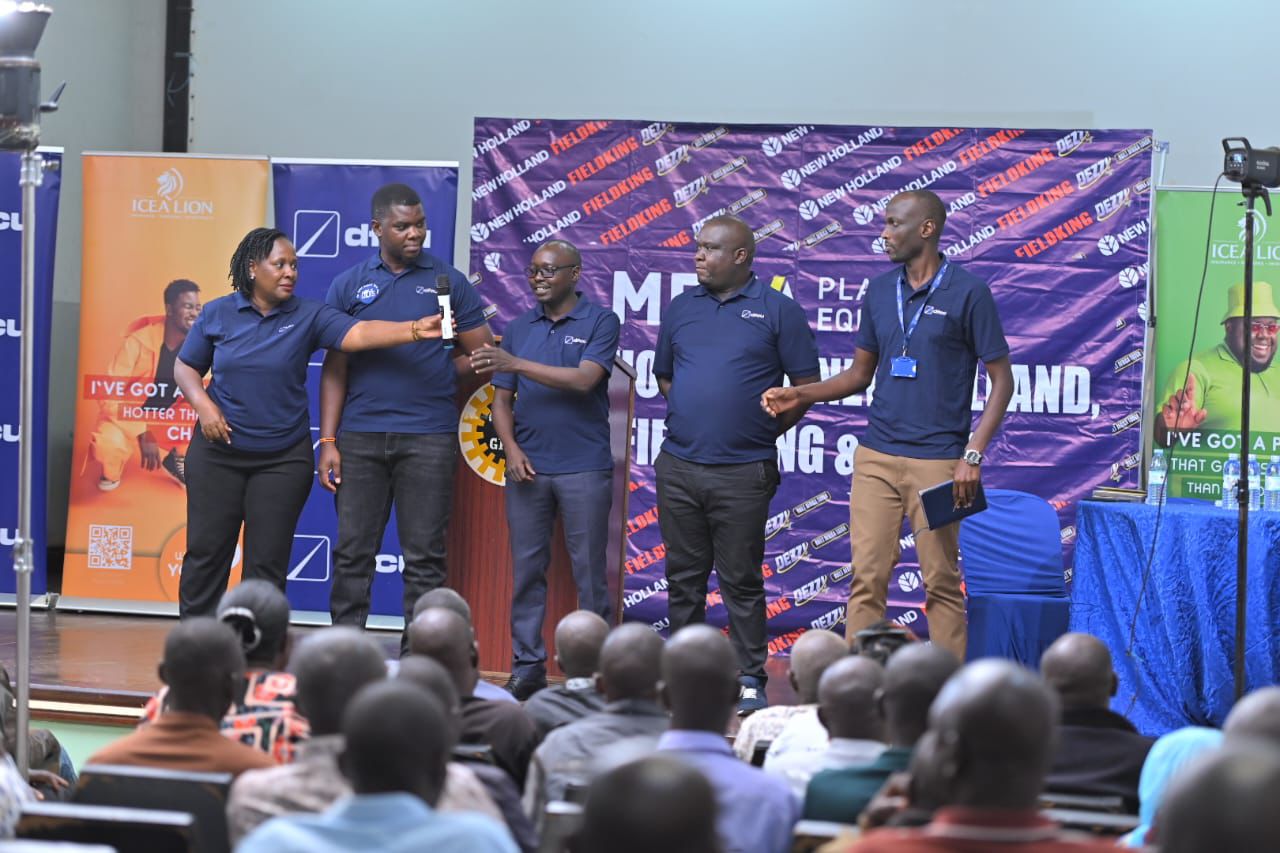
“We support customers to acquire the assets they need in their day-to-day activities. Today we are focusing on farmers,” said Gloria Ssuuna Namutebi, Senior Manager for Vehicle and Asset Finance at dfcu. “We want farmers to produce quality agricultural products.”
Under the scheme, farmers can access tractors, planters, harvesters, irrigation systems, trailers, and even commercial vehicles, with repayment periods of up to five years. Importantly, the structure allows flexibility in repayment, aligning loan schedules with seasonal harvest cycles.
Beyond Financing
What sets this partnership apart is its bundled approach. By working with Meta Plant & Equipment and ICEA Lion, dfcu is offering an all solutions package: financing, equipment supply, insurance, maintenance, and farmer training.
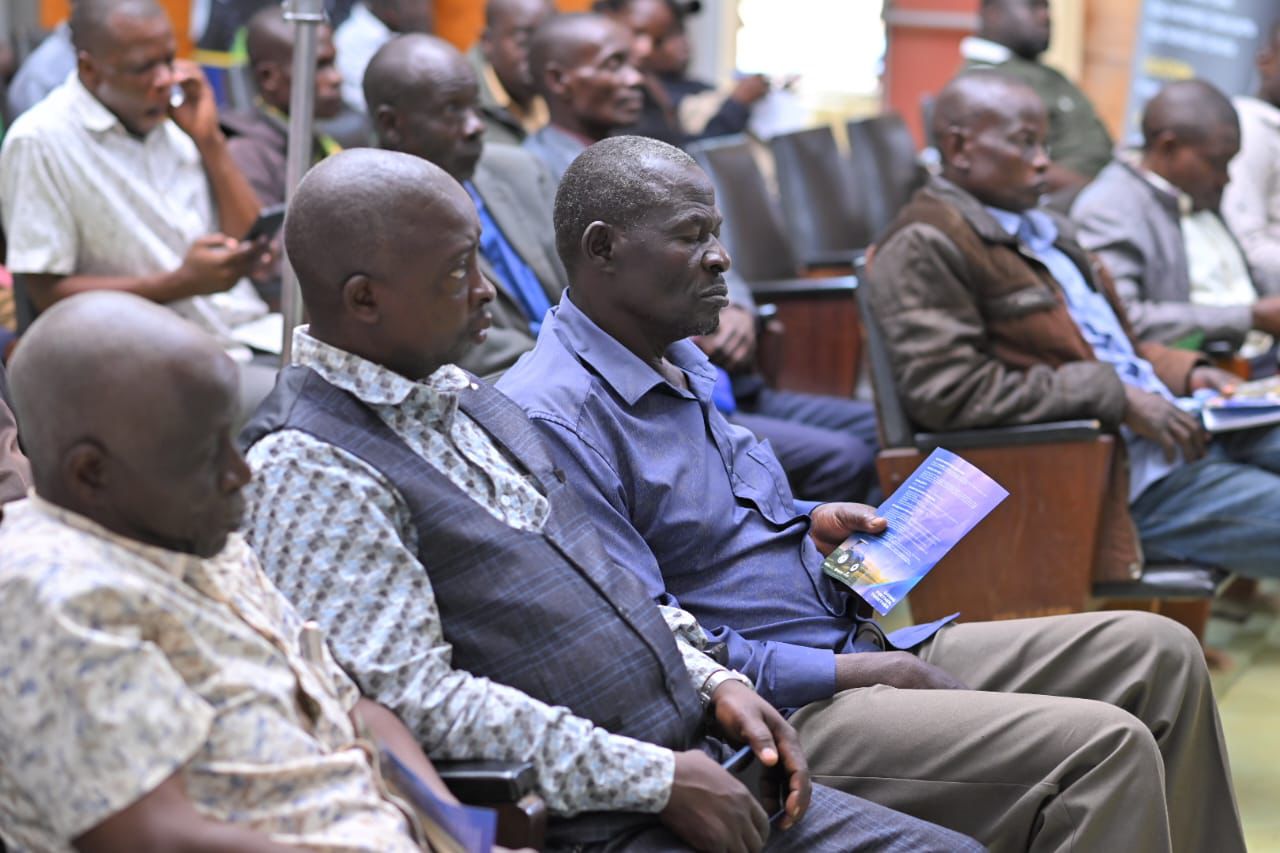
“The reason we partner with reputable companies is because of the extra services like guarantees, maintenance, and training,” Namutebi added.
For farmers, particularly those organised in cooperatives and SACCOs, this integrated model reduces operational risks while improving returns on investment.
Scaling Impact in the East
According to Patrick Enoka, dfcu’s Regional Manager for Eastern Uganda, the bank is targeting more than 10,000 farmers under this initiative.
“We are bringing these loans to empower farmers because they play a critical role in the country’s economy,” Enoka said. “We will also offer financial literacy and capacity building, and encourage farmers to embrace digital banking through our platforms.”
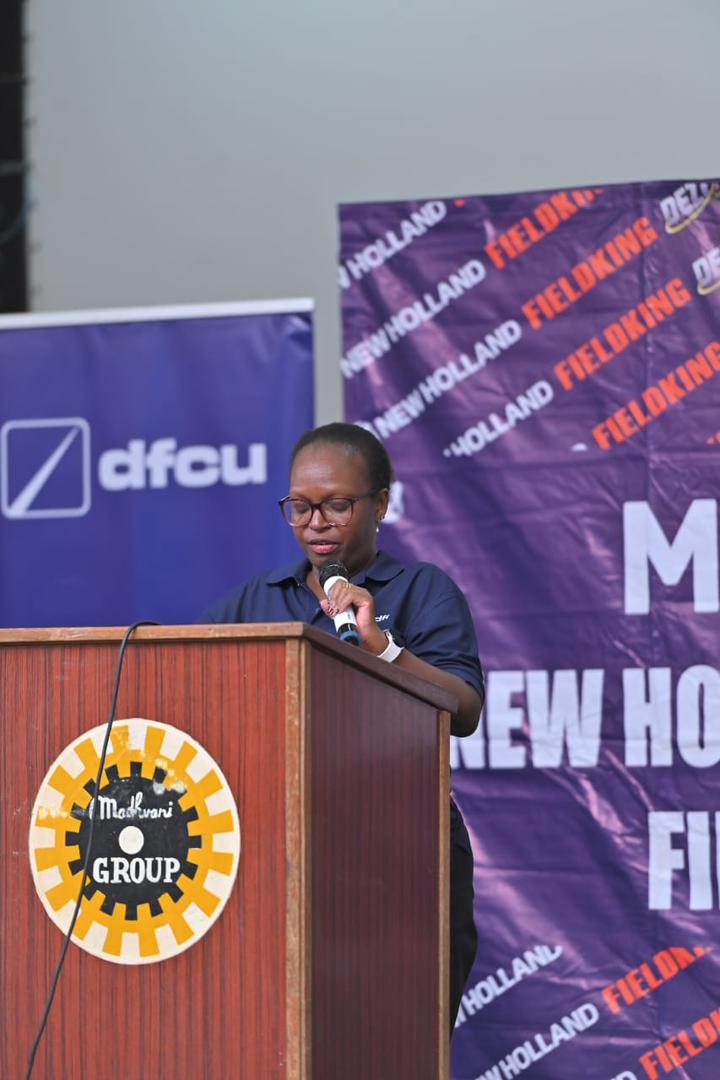
This focus on financial inclusion and digital adoption reflects a broader shift in Uganda’s banking sector where institutions are increasingly embedding advisory and capacity-building services into their lending strategies.
The Equipment Advantage
For Meta Plant & Equipment Uganda Limited, the partnership is an opportunity to deepen market penetration while supporting farm productivity.
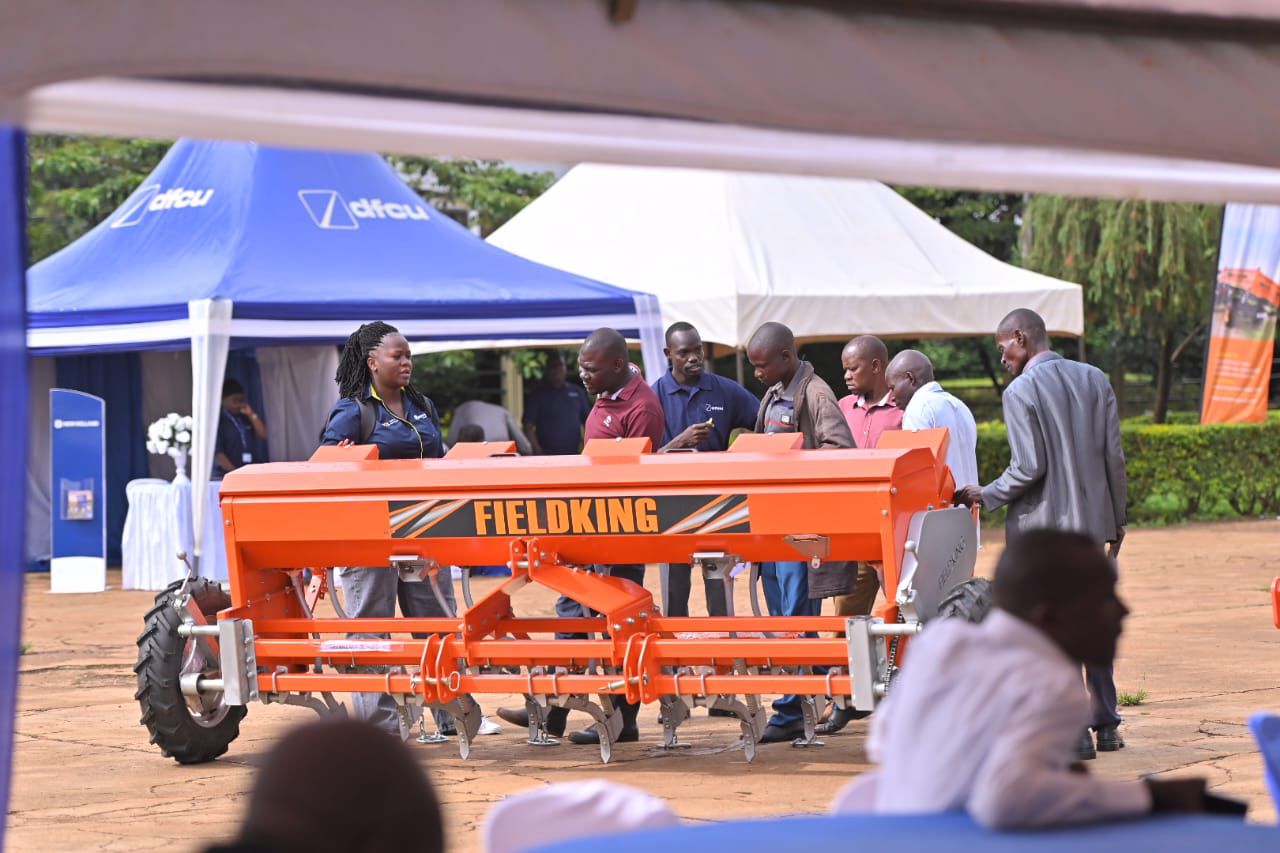
The company, which supplies globally recognised brands such as New Holland, Dezzi, and Fieldking, is positioning its machinery as both a productivity tool and a revenue stream.
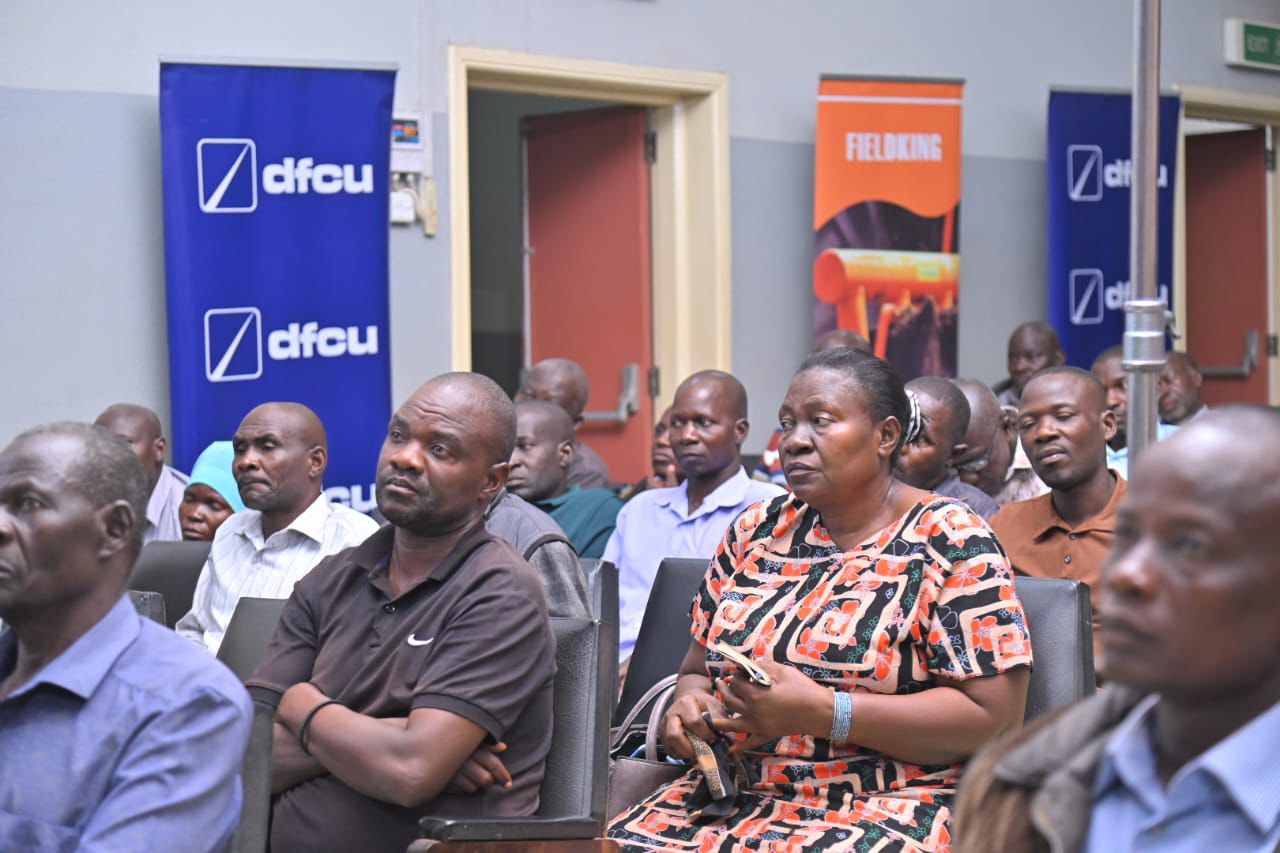
“Farmers are able to repay the loan per harvesting season,” noted Dorcus Najjemba, Marketing Executive at Meta. “Uganda typically has two planting and harvesting seasons each year.”
With interest rates set at around 12 percent, the facility aims to remain accessible while sustaining commercial viability.
Sugarcane Farmers at the Centre
Few sectors illustrate the urgency of mechanisation more than sugarcane farming. At Kakira, one of Uganda’s most organised sugar producers, the scale of operations, and challenges, is immense.
The Kakira Sugarcane Outgrowers Association represents over 13,000 registered farmers across Busoga, supplying cane from multiple districts. Yet, as Chairperson David Christopher Mombwe pointed out, the business remains capital-intensive and vulnerable to price fluctuations.
“Sugarcane is capital intensive, yet we don’t have money. We borrow from banks,” Mombwe said, urging farmers to maintain strong repayment discipline.
The operational realities further underscore the need for mechanisation. YY Shaban, Deputy Outgrowers Manager at Kakira, highlighted that sugarcane farming requires deep planting (over 12 inches) to ensure proper nutrient uptake and resilience against wind damage.
“You cannot plant sugarcane with hand hoes,” he explained. “Only a tractor can dig a planting hole that deep.”
Historically, Kakira provided ploughing services to outgrowers, but logistical constraints forced the company to scale back. Today, the burden (and opportunity) has shifted to farmers themselves.
“With this arrangement, farmers can own their own tractors and even earn income by renting them out,” Shaban noted.
From Subsistence to Commercial Agriculture
For Annette Kiconco, Chief Retail Banking Officer at dfcu, the partnership reflects a broader ambition: transitioning Uganda’s farmers from subsistence to commercial-scale production.
“We cannot continue to stay as subsistence farmers,” she said. “We are bringing a powerful partnership to the people of Busoga to take agriculture to the next level.”
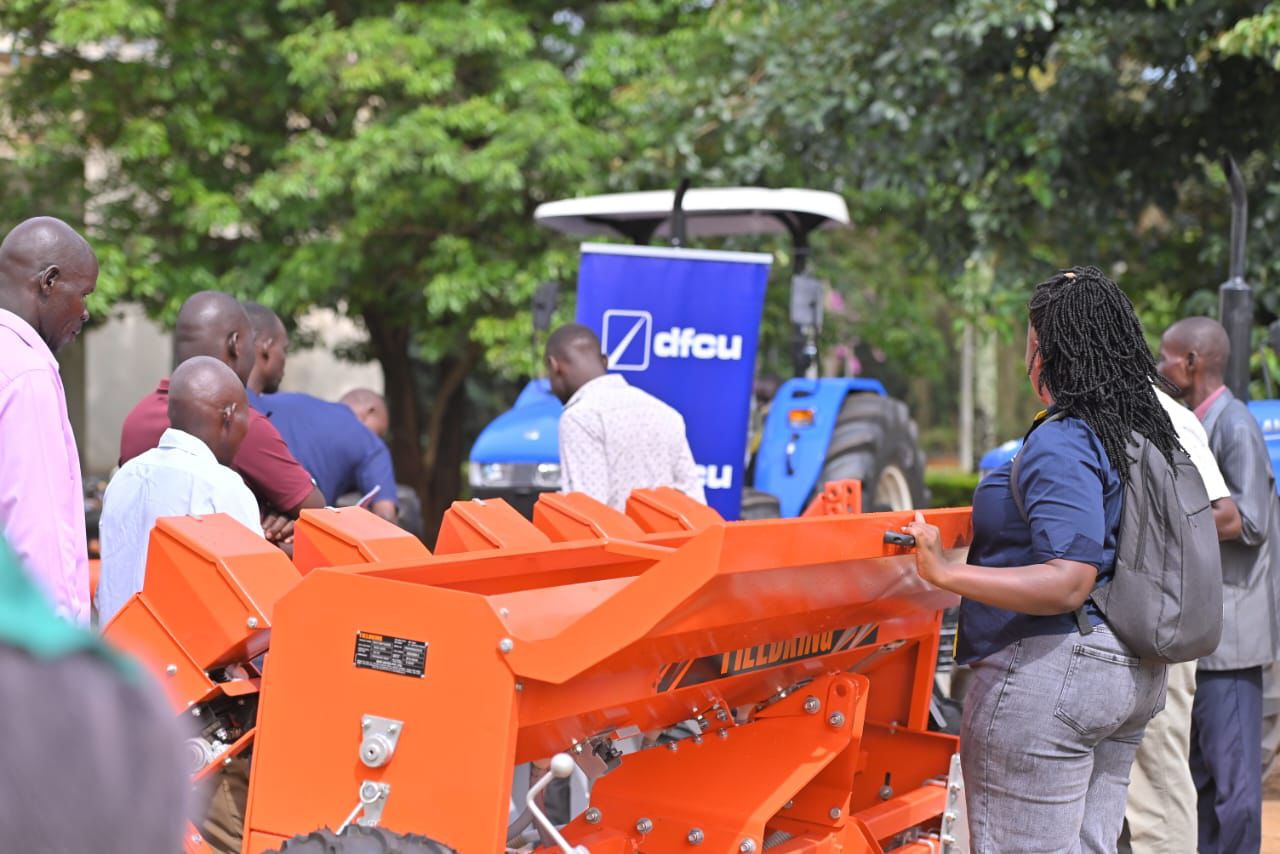
By combining financing, insurance, and access to world-class equipment tailored for African conditions, dfcu is betting on a model that addresses the entire agricultural value chain.
The Bigger Picture
Uganda’s agriculture sector employs the majority of the population but remains constrained by low productivity, limited access to finance, and minimal mechanisation. Initiatives like the dfcu-Meta partnership signal a shift toward integrated solutions that blend finance with technology and services.
If successfully executed, the programme could redefine how smallholder and outgrower farmers access capital, and, crucially, how they scale.
For the farmers of Busoga, the promise is simple but profound: from hand hoes to horsepower, from subsistence to sustainability.