Simbwa blasts Norbert Mao over speakership bid, calls it ‘abuse of NRM goodwill’
In one of the most pointed sections of his statement, Ssimbwa described Mao’s actions as “reckless and dangerous,” warning that they could strain relations between the NRM and its political allies.
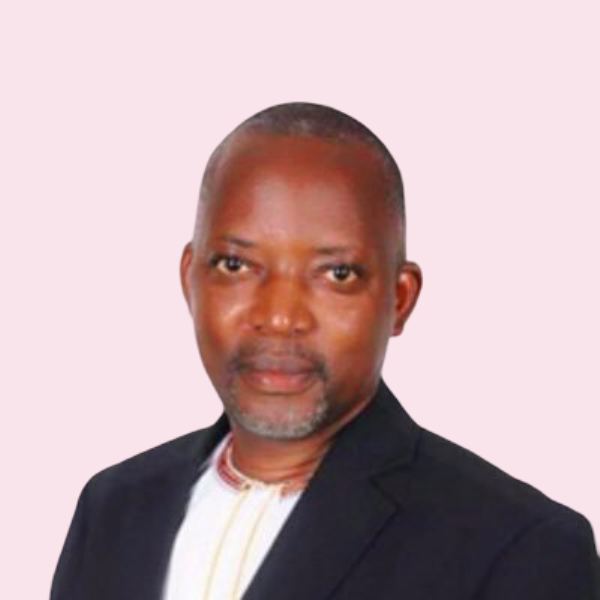
A senior figure within the ruling National Resistance Movement (NRM), John Ssimbwa, has launched a scathing attack on Norbert Mao, accusing him of political opportunism and defying party consensus over the race for Speaker of Parliament.
In a strongly worded letter addressed to NRM and NRM-leaning Members of the incoming 12th Parliament, Ssimbwa criticised Mao’s reported interest in the speakership, describing it as “an abuse of the goodwill and trust extended” to him by President Yoweri Kaguta Museveni and the ruling party.
‘Insatiable Greed for Positions’
Ssimbwa, a former Member of Parliament for Makindye East, did not mince words in his criticism, accusing Mao of pursuing positions excessively and without regard for established political agreements.
“Your insatiable greed for positions reflects a troubling pattern of political overreach and an excessive pursuit of positions,” Ssimbwa wrote, warning that such actions risk undermining trust and stability within the political partnership between NRM and the Democratic Party (DP).
Mao, who entered into a cooperation agreement with the NRM, has in recent months been linked to ambitions for higher political office, including the speakership of Parliament.
Clash Over NRM ‘Ring-Fenced’ Positions
At the heart of the dispute is a resolution by the NRM’s Central Executive Committee (CEC), which “ring-fenced” key leadership positions, including Speaker and Deputy Speaker, to preserve party cohesion and continuity.
Ssimbwa argued that Mao’s interest in the position directly contradicts this resolution and undermines internal party discipline.
“Your insistence to contest for the position of Speaker in total disregard of the NRM CEC resolution is inconsistent with the commitment under the framework and risks undermining the foundation of cooperation,” he stated.
He added that leadership within a structured political arrangement should be guided by consensus and respect for party processes, rather than individual ambition.
‘Reckless and Dangerous’
In one of the most pointed sections of his statement, Ssimbwa described Mao’s actions as “reckless and dangerous,” warning that they could strain relations between the NRM and its political allies.
“Persisting in seeking the position of Speaker… demonstrates an unacceptable level of political optimism and an excessive appetite for positions,” he said.
He cautioned that such conduct, if unchecked, could erode confidence in collective decision-making and weaken party cohesion.
Call to Rally Behind Anita Among
Ssimbwa urged all NRM members and allied legislators to respect party resolutions and rally behind the incumbent Speaker, Anita Among, in the forthcoming election.
He framed this as essential to maintaining unity, stability, and institutional continuity within both the party and Parliament.
Tensions Within Political Cooperation
The remarks highlight growing tensions within the cooperation framework between the NRM and opposition-leaning figures, particularly those operating under memoranda of understanding with the ruling party.
Ssimbwa emphasised that such agreements were intended to foster collaboration—not to override party structures or advance individual political ambitions.
“The Memorandum of Understanding… was not in any way meant to amend the NRM Constitution or set aside existing processes,” he noted.
A Test of Party Discipline
The unfolding disagreement underscores the delicate balance between political cooperation and party discipline as Uganda prepares for the 12th Parliament.
Analysts say the speakership contest could become a litmus test for how far alliances can stretch without fracturing internal cohesion within the ruling party and its partners.
For now, Ssimbwa’s remarks signal a firm stance from within the NRM ranks: that adherence to party decisions must take precedence over personal ambition, even among political allies.