U.S. Embassy Kampala issues Ebola health alert, suspends all visa services as WHO declares global emergency
Americans in Uganda urged to take precautions as outbreak crosses from DRC; embassy halts visa appointments effective May 18
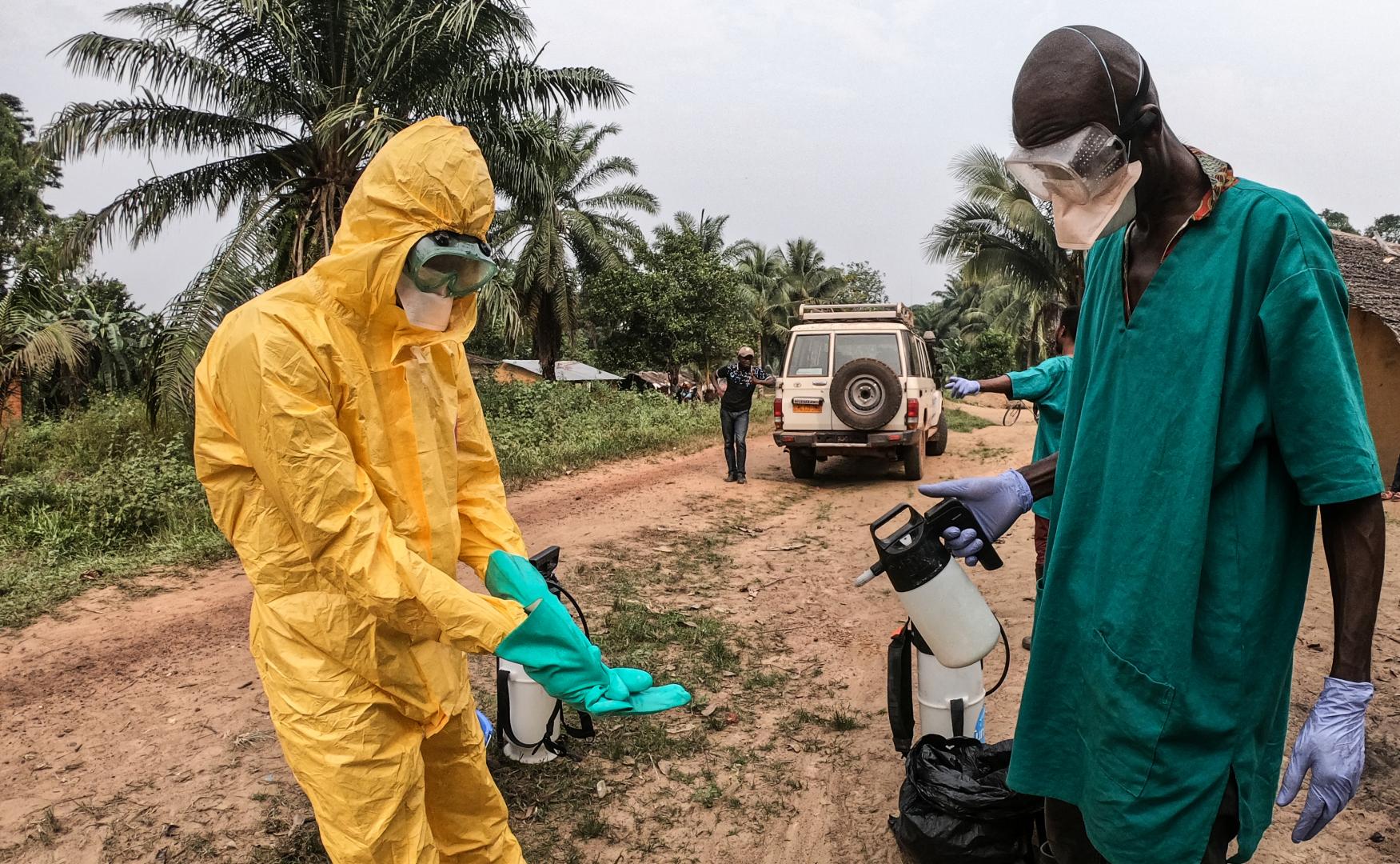
The United States Embassy in Kampala has issued a formal health alert and simultaneously suspended all visa services, signalling the growing gravity of the Ebola outbreak that has now reached Uganda from the Democratic Republic of Congo.
In announcements released today, the Embassy warned American citizens and travellers about the rapidly escalating public health situation while confirming that all visa appointments, for tourists, students, business travellers, immigrants and all other categories, have been paused with immediate effect.
The alert follows a series of emergency declarations in the past 72 hours. On May 17, the World Health Organization elevated the DRC and Uganda Ebola outbreak to a Public Health Emergency of International Concern, the highest level of global health alert the agency can issue.
A day earlier, the U.S. Centers for Disease Control and Prevention issued separate travel health notices for both countries. Uganda was assigned a Level 1 designation, advising Americans to practise usual precautions.
The DRC received the more serious Level 2 designation, advising enhanced precautions for travellers to that country.
The outbreak is caused by the Bundibugyo virus, a rare strain of Ebola for which there is currently no approved vaccine or treatment. Uganda confirmed its first case on May 15, a 59-year-old Congolese national who died at Kibuli Muslim Hospital in Kampala, followed by a second unrelated confirmed case in the capital within 24 hours. Both patients had recently travelled from eastern DRC.
How Ebola is transmitted
The Embassy’s health alert sets out clearly how the virus is transmitted. Ebola is not airborne. It spreads through direct contact with an infected person or their blood and bodily fluids, direct contact with the remains of someone who has died from the disease, and contact with objects that have been in contact with infected secretions.
This means the risk to the general public going about normal daily life remains low — but the risk rises sharply in healthcare settings, at funerals and burials, and in any situation involving close contact with a sick person.
The Embassy urged Americans in Uganda to avoid contact with the blood or bodily fluids of anyone who is ill, avoid handling the bodies of deceased persons, and seek immediate medical attention if they develop symptoms including fever, severe headache, muscle pain, vomiting, diarrhoea, or unexplained bleeding.
Visa Services Suspended
In a separate but related announcement, the Embassy confirmed that all visa services at U.S. Embassy Kampala have been paused effective May 18, 2026. The suspension covers immigrant visas and all categories of nonimmigrant visas including tourist, business, student and exchange visitor applications.
Applicants with existing appointments have been notified directly. The Embassy stated that currently valid visas are not affected by the pause.
No timeline was given for resumption of services. “We will update our website when appointment scheduling resumes and inform applicants directly when they can reschedule,” the Embassy said.
The move will affect hundreds of Ugandans with pending visa applications and is the most visible diplomatic consequence yet of the outbreak for ordinary citizens.
Embassy Advisory
The Embassy advised all American citizens currently in Uganda to enrol in the Smart Traveller Enrollment Program (STEP), which allows the Embassy to send security and health alerts directly and to locate citizens in an emergency.
For Ugandans and residents monitoring the situation, the Ministry of Health’s toll-free Ebola reporting line remains active at 0800-100-066. Suspected cases can also be reported by sending a free SMS to 6767.
Health authorities continue to urge the public to report sick persons, avoid self-medication, and encourage those showing symptoms to seek care at designated health facilities immediately.