UBOS pushes to conclude Baseline Education Census
UBOS has appealed to the general public, head teachers of primary schools, and local government authorities in the affected sub-regions to extend their full cooperation to the census enumerators.

The Uganda Bureau of Statistics (UBOS) has initiated the final, expedited phase of its crucial Baseline Education Census 2025 across all sub-regions. With the deployment of 1,100 Field Data Collectors, UBOS aims to conclude the comprehensive data collection exercise by October 30th, just days before Primary Seven candidates embark on their national examinations.
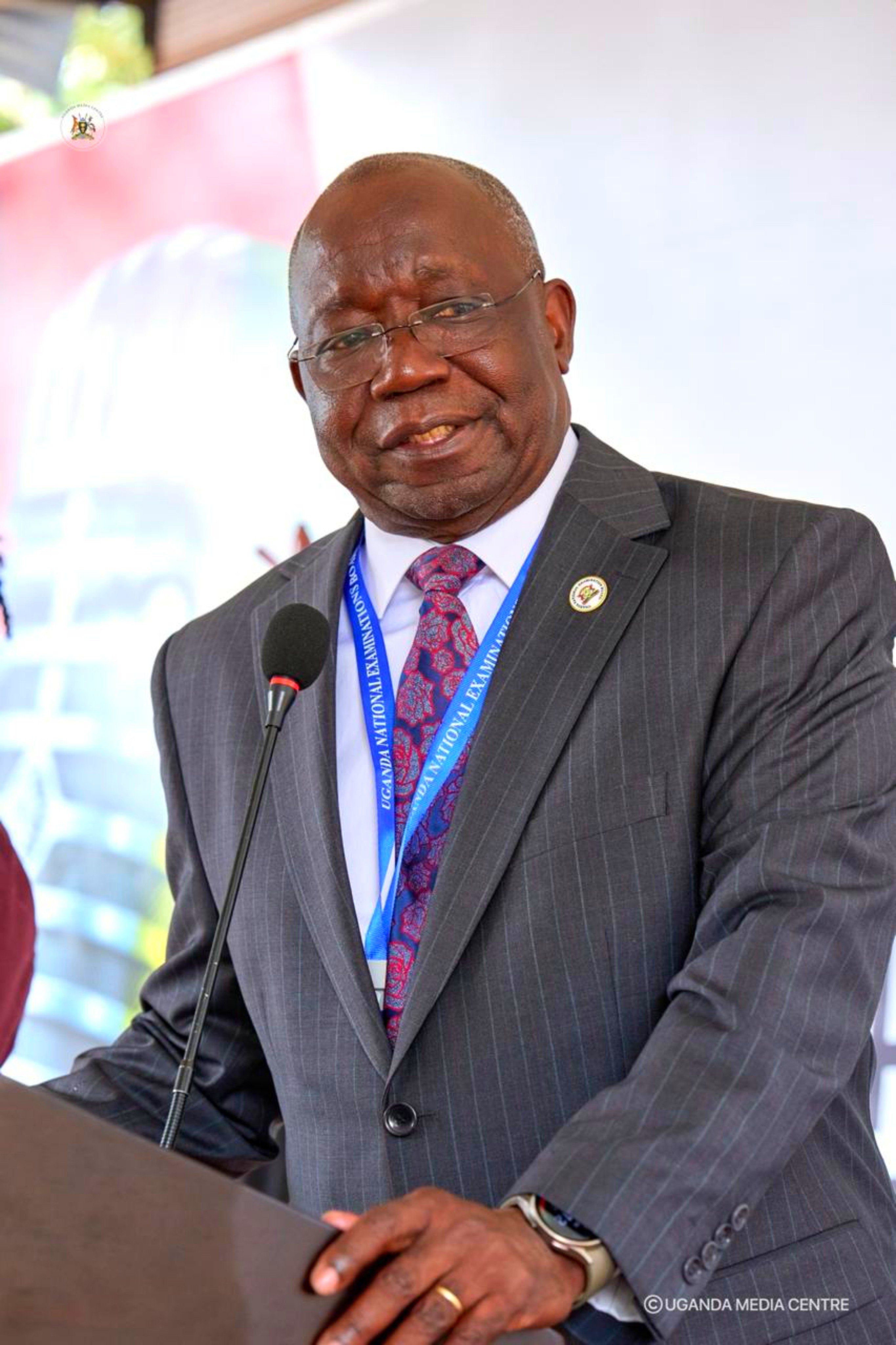
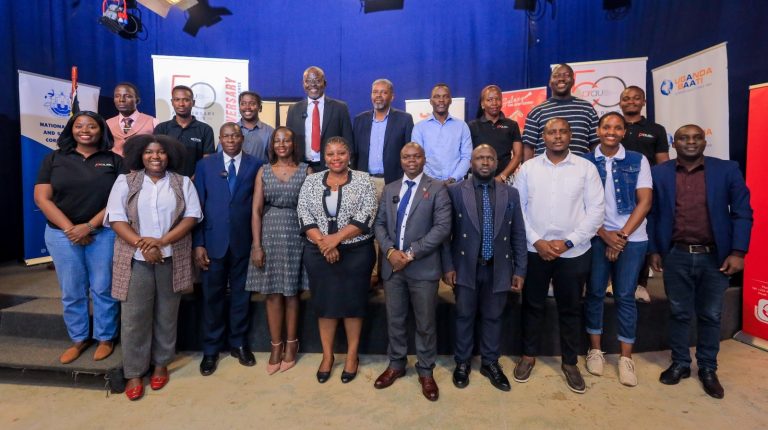
The announcement was made on Monday 27th October 2025 at the Uganda Media Centre by Didacus Okoth, the Principal Public Relations Officer for UBOS, speaking on behalf of the bureau. Okoth highlighted that the swift resumption of the census follows the recent resolution of industrial action by Government Primary School teachers, which had previously stalled the process.
The targeted sub-regions for this final push include Acholi, Bunyoro, Karamoja, Kigezi, Rwenzori, Tooro, and West Nile. Teams of enumerators commenced data collection today, October 27th, with a strict deadline of October 30th to allow ample time for Primary Seven candidates to prepare for their exams, scheduled to begin on November 4th, 2025.
Okoth emphasized the critical importance of this census, stating that the ongoing teams will visit all primary schools within these regions to gather essential data needed to update the Education Management Information System (EMIS).
The comprehensive data collection will cover crucial aspects of the education sector, including:
Learner Information: This includes name, date of birth, sex, class, nationality, Learner Identification Number (LIN) for registered learners, National Identification Number (NIN), Student Passport/Refugee ID (where applicable), and details of any special needs.
Institution’s Identity: Data on the school’s name, EMIS Number, operational status, license number, and registration status.
Institution’s Location: Detailed geographical information including District, County, Sub-county/Division, Parish/Town Council/Ward, Village/Zone/Cell, and GPS coordinates.
Institution’s Contact Details: School telephone, respondent’s telephone, email, and the name of the respondent.
Infrastructure: An inventory of classrooms (number and size), laboratories, libraries, toilets, washrooms, stores, sports facilities, workshops, and teacher houses.
Teacher and Learning Materials: Information on the number of textbooks per subject and available teaching guides.
Water and Sanitation: Detailed status and information regarding the institution’s water and sanitation facilities.
UBOS has appealed to the general public, head teachers of primary schools, and local government authorities in the affected sub-regions to extend their full cooperation to the census enumerators.
Furthermore, the bureau urged all parents to actively support the exercise by ensuring they provide accurate information regarding their children’s Date of Birth, National Identification Number (NIN), and Learner Identification Number (LIN) to the data collectors.
Okoth reiterated UBOS’s unwavering commitment to coordinating the National Statistical System and delivering high-quality statistical services essential for supporting national development processes.