Uganda passes Copyright Amendment Law to strengthen protection for creators
The Ministry of Gender, Labour and Social Development, which oversees cultural and creative industries, has previously emphasized that strengthening copyright laws is key to positioning Uganda as a competitive player in the global creative economy.
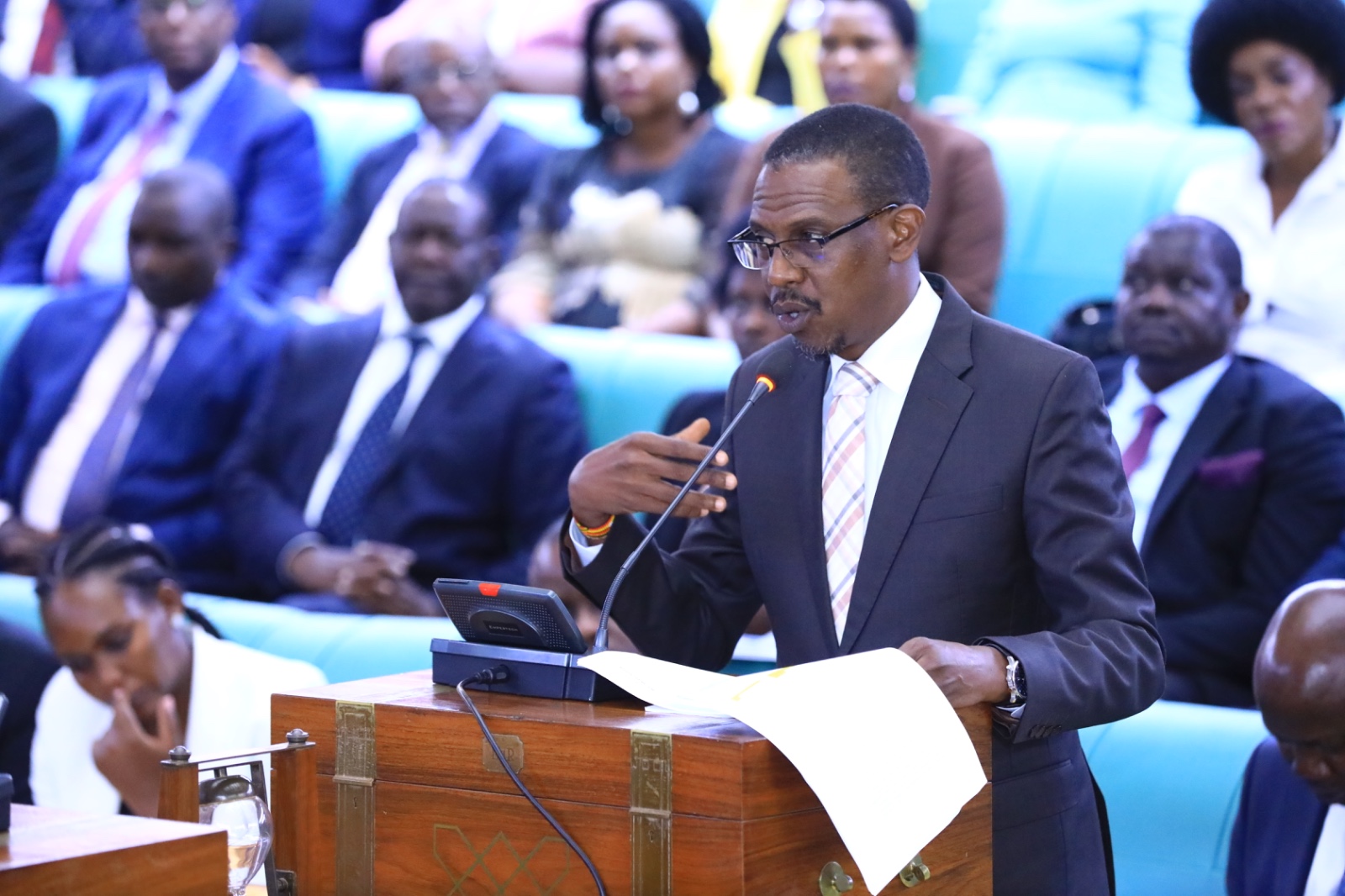
Uganda’s Parliament has Tuesday March 17, 2026, passed the Copyright and Neighbouring Rights (Amendment) Bill, 2025, marking a significant step toward strengthening intellectual property protection and ensuring fair compensation for artists and content creators in the digital age.
The legislation, enacted by the Parliament of Uganda, amends the existing Copyright and Neighbouring Rights Act to address emerging challenges brought about by rapid technological advancement, particularly in digital distribution and online content use.
The new law introduces stricter measures to safeguard the rights of authors, performers, producers, and broadcasters, while enhancing enforcement mechanisms against copyright infringement. It also aims to improve revenue collection systems for creatives whose works are widely consumed across digital platforms.
Officials say the amendment is designed to respond to long-standing concerns from Uganda’s creative industry, where artists especially musicians, filmmakers, and writers who have often struggled to earn from their work due to piracy and weak enforcement structures.
The law strengthens the role of collective management organisations (CMOs), which are responsible for collecting and distributing royalties on behalf of rights holders. By streamlining their operations and improving accountability, the government hopes to ensure that creators receive fair compensation when their content is used commercially.
The amendment also provides clearer provisions on digital rights management, including protections for online content and the use of technological protection measures. This is expected to help curb unauthorized reproduction and distribution of creative works on streaming platforms, social media, and other digital channels.
Stakeholders in the creative sector have welcomed the move, describing it as long overdue. Industry players argue that the new legal framework could unlock economic potential within Uganda’s creative economy by making it more viable for artists to sustain careers from their work.
The Ministry of Gender, Labour and Social Development, which oversees cultural and creative industries, has previously emphasized that strengthening copyright laws is key to positioning Uganda as a competitive player in the global creative economy.
However, some observers note that the success of the new law will largely depend on effective implementation, including public awareness, enforcement capacity, and collaboration between government agencies, digital platforms, and industry players.
Uganda’s creative industry has grown rapidly in recent years, driven by music, film, visual arts, and digital content creation. The enactment of the Copyright and Neighbouring Rights (Amendment) Bill, 2025 is expected to provide a stronger legal foundation for this growth, while protecting the rights and livelihoods of creators across the country.